Can farming and nature restoration go hand in…
03 June, 2026
Can farming and nature restoration go hand in…
03 June, 2026
Monday 21 june 2021
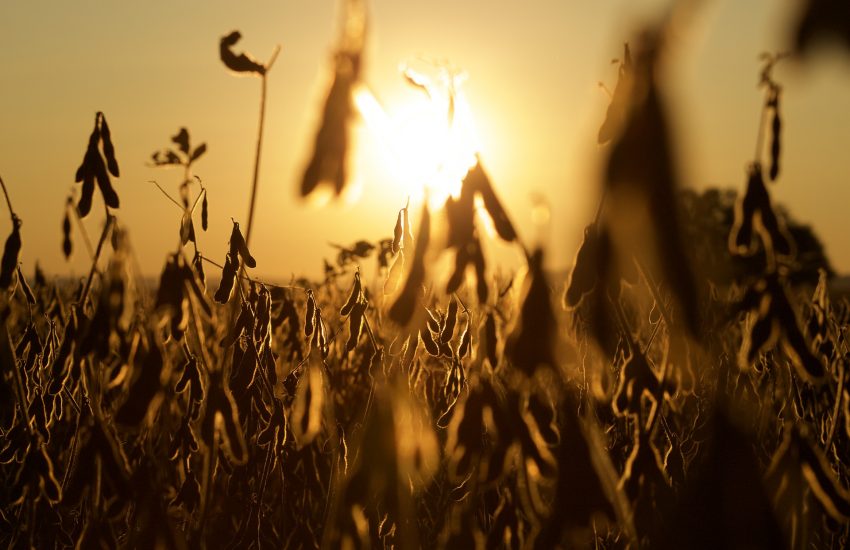
Header photo soy plantation by Maxpixel
Agroecology integrates ecological principles and biodiversity management into farming systems with the aims of increasing the multi-functionality and total farm productivity, while reducing dependency on external inputs, and sustaining or enhancing ecosystem services. IUCN NL together with the University of Buenos Aires have written an 18-page paper discussing how to bridge the insights from the current ‘agroecological niche’ in the market to the – almost 400 million tonnes – global ‘mainstream’ high input soy market. Should they remain worlds apart or can soy production overall become more future proof by applying such practices?
Soy standards such as RTRS, ProTerra or Donau Soja already provide criteria for conversion-free and responsible production and are among those actors that could help build a better bridge between current soy production and agroecological principles and practices. Some well-known examples of agroecological practices in soy are no-till or conservation tillage[1]No-till can be a component of industrial farming systems but also of agroecological practice when combined with natural control mechanisms for managing insect pests, pathogens and weeds and therefore … Continue reading, natural pest control, integrated pest management or crop rotations The figure below gives various examples of agroecological practices.

Benefits of agroecological production systems include:
The paper comes up with recommendations to many actors – from farmers to standards to governments to supermarket shelves.


| ↑1 | No-till can be a component of industrial farming systems but also of agroecological practice when combined with natural control mechanisms for managing insect pests, pathogens and weeds and therefore reducing the need of further artificial interventions. |
|---|
03 June, 2026
This week, the Horizon Europe project BALANCE was launched. Coordinated by Wageningen University & Research, this four-year project will support…
13 May, 2026
A new UN Environment Programme (UNEP) report warns that growing global demand for sand is placing increasing pressure on ecosystems…