Responsible soy in Europe: beyond EUDR
Prioritising healthy wetlands in Europe
01 July, 2026
Tuesday 01 july 2025
The latest European Soy Monitor shows that more than half of soy imports into Europe is covered by sustainability certification. The European Union Deforestation Regulation (EUDR) reshapes the market and asks traceability, deforestation-free and legal production at scale. While this creates an important level playing field and step forward, it does not safeguard the longstanding efforts within the Netherlands and several other countries in Europe to require and promote responsible soy production beyond legality and deforestation-free production only. Combining mandatory and voluntary systems of traceability and verification can play a key role in the meaningful and trustworthy application of EUDR.
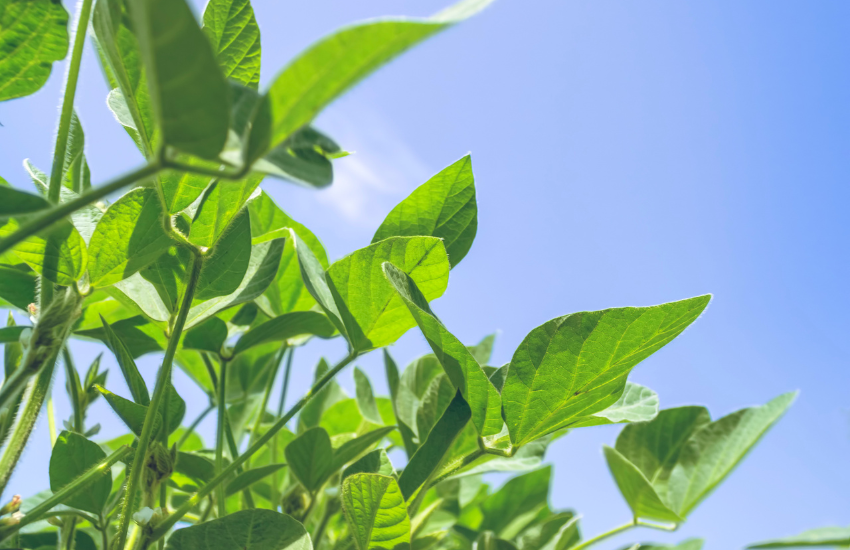
Photo: Green soy plant in agricultural field by Sandra Matic from Getty Images Pro via Canva
Decades before the talks on the EU Deforestation Regulation (EUDR) began, the Netherlands had already started investing in criteria and initiatives for responsible soy. Standards were developed with sustainability criteria related to forests, ecosystems, labour rights, chemical use, and other agricultural practices. Through a sector-wide agreement, the Netherlands has supported certification by the Round Table on Responsible Soy (RTRS) standard in many countries. The dairy sector, for example, has consistently supported RTRS level responsible soy production since 2011.
Current state of soy certification in Europe
The latest European Soy Monitor shows that about a quarter of soy imports into Europe are covered by RTRS, ProTerra, Donau Soja, and other systems benchmarked against the criteria of the European feed sector, albeit often with credits, in which each tonne of soy used is accompanies by a certificate for 1 tonne of responsible soy production.
Most of these systems verify legality, deforestation and conversion free production, and other sustainability criteria that go beyond the EUDR requirements. They can play an important role in the due diligence toolboxes also in EUDR times. How?
Certification systems: from sideline to strategic tool
In the battle to achieve the landmark law EUDR, certification systems with a voluntary origin such as RTRS were pushed aside as not offering a green lane. The responsibility of compliance with the EUDR is and should rest with the traders/operators. However, the European Commission is increasingly recognising that third-party verification of EUDR requirements and beyond is essential. Quality standards have a long standing experience with that checks on legal compliance, deforestation free production, annual audits etc.
IUCN NL currently is involved in a study to assessing if and how voluntary standard systems for soy are prepared to play a role in the verification of EUDR and additional sustainability requirements (report expected to be published in September 2025).
Going beyond legal compliance
It is important to promote essential sustainability values in soy, including but beyond EUDR criteria, and channel such information along in the value chain. Responsible chemicals management, for example, is a must-have requirement in soy production.
RTRS, Pro Terra, Donau Soja and other standards have a new role to play in EUDR times – whether in fully certified or partly certified, EUDR-compliant soy value chains, or as an additional measure to promote and reward responsible production in specific landscapes. That is why still some credit should be given to the credit system – especially where physically certified flows are not yet feasible. Rewarding producers for their efforts in this is remains key, also in the EUDR times to come.
More information


03 July, 2026
Five years of impact: strengthening locally-led forest governance, rights and livelihoods
Tropical rainforests around the world are under growing pressure from agricultural expansion, mining and resource extraction, infrastructure development and climate…
01 July, 2026
Prioritising healthy wetlands in Europe
Wetlands are among the most valuable ecosystems in Europe, with a wide range of benefits for both the environment and…