Strengthening civil society for climate action in the Comoros
05 August, 2026
Strengthening civil society for climate action in the Comoros
05 August, 2026

Meet the conservationist: Anne-Isabelle Bonifassi
23 July, 2026
Monday 15 september 2025
The new EU Nature Restoration Regulation (NRR) sets legally binding targets and timelines for all Member States to restore ecosystems and safeguard biodiversity. To comply, each EU Member State must develop a National Restoration Plan (NRP) by September 2026, identifying priority areas for restoration and engaging local stakeholders to ensure effective implementation. A REWET analysis by IUCN NL provides an overview of recent insights in wetland restoration, offering guidance and inspiration for those drafting NRPs to maximize efficiency and ecological benefits.
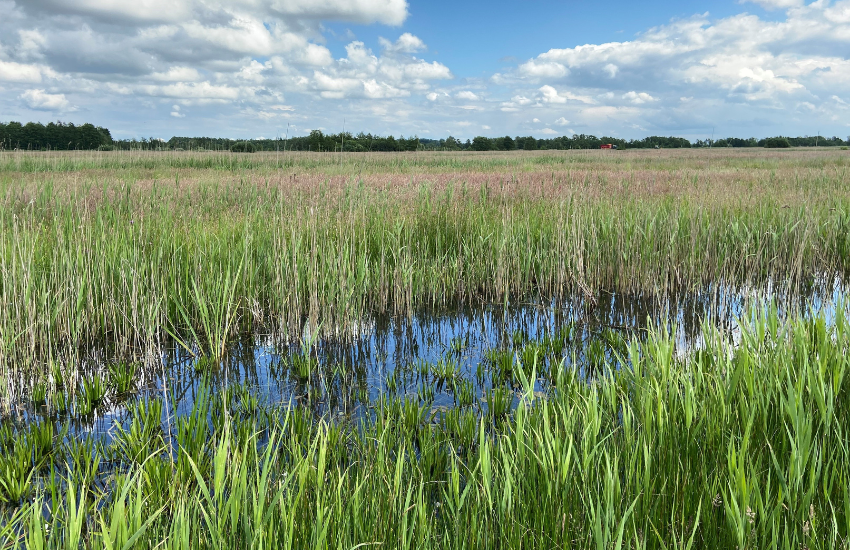
Headerphoto: National Park Weerribben-Wieden, The Netherlands © Ralf Verdonschot
The NRR obliges EU Member States to take concrete action to restore ecosystems. It sets ambitious goals, including restoring 20% of the EU’s natural landscapes and ultimately all ecosystems in need by 2050. It also introduces the concept of “non-deterioration,” ensuring ecosystems do not further decline. Each Member State is now in the process of making a NRP that outlines the current state of nature, the measures to restore it, and including specific targets, measurable indicators, and a timeline for implementation.
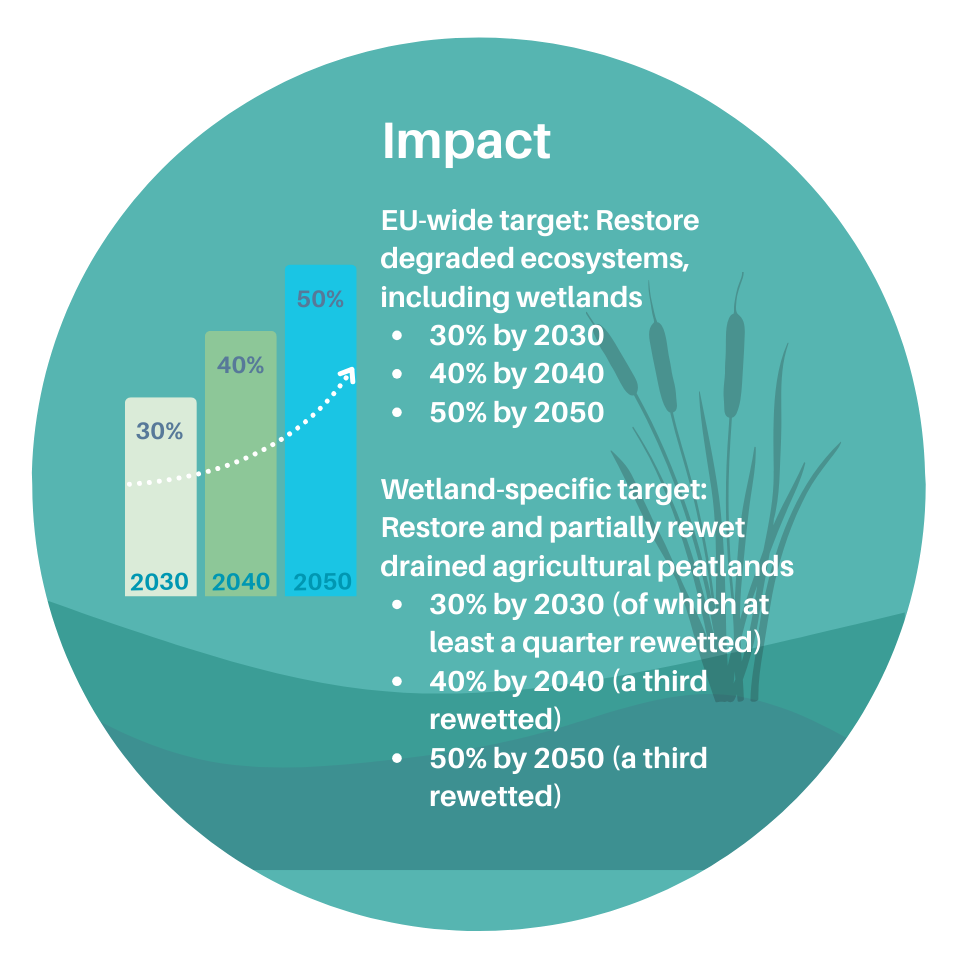
The NRR significantly strengthens opportunities to protect and restore Europe’s wetlands, which are vital for climate resilience, biodiversity, and human well-being. Because the NRR sets binding targets for wetland recovery, EU Member States are required to include this topic in their NRPs. This offers a unique chance to align wetland restoration with farming and land-use planning, helping to store water during droughts, reduce flood risks, and improve soil and water quality – thereby strengthening the resilience of agricultural systems. The policy brief highlights relevant guidance documents and regional insights that can support the mainstreaming of wetland restoration into NRPs.
Sound groundwater management is essential for the long-term recovery of many wetlands, while alignment of local legislation with NRP obligations can help ensure that restoration measures are effectively implemented. Equally important is securing the acceptance of stakeholders and landowners by making restoration measures more attractive. To guarantee the quality of the NRPs, planners are encouraged to make optimal use of existing knowledge resources to define clear national restoration targets.
REWET is a laboratory for the restoration of wetlands on a European scale. In the REWET project, funded by the European Union, NGOs, universities, companies and institutions joined forces to study the full potential of wetland areas. With information from seven open laboratories, we are developing a comprehensive understanding of how European wetlands can best contribute to climate mitigation and adaptation.






05 August, 2026
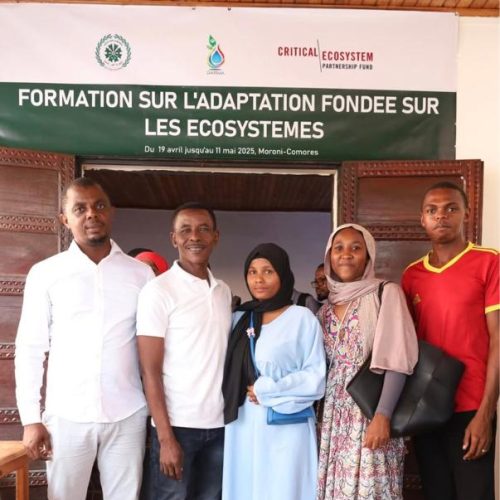
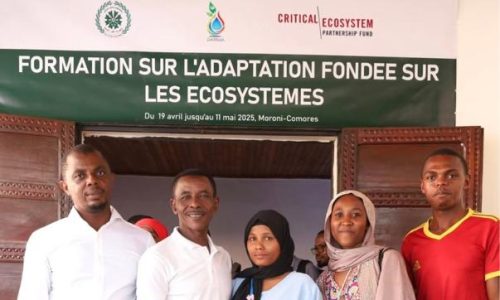
Photo header: Participants during a training session © DAYIMA Madagascar and the Indian ocean islands are a biodiversity hotspot -…

23 July, 2026
Growing up surrounded by animals, Anne-Isabelle Bonifassi always dreamed of a career in conservation. Today, as Executive Director of Haiti…