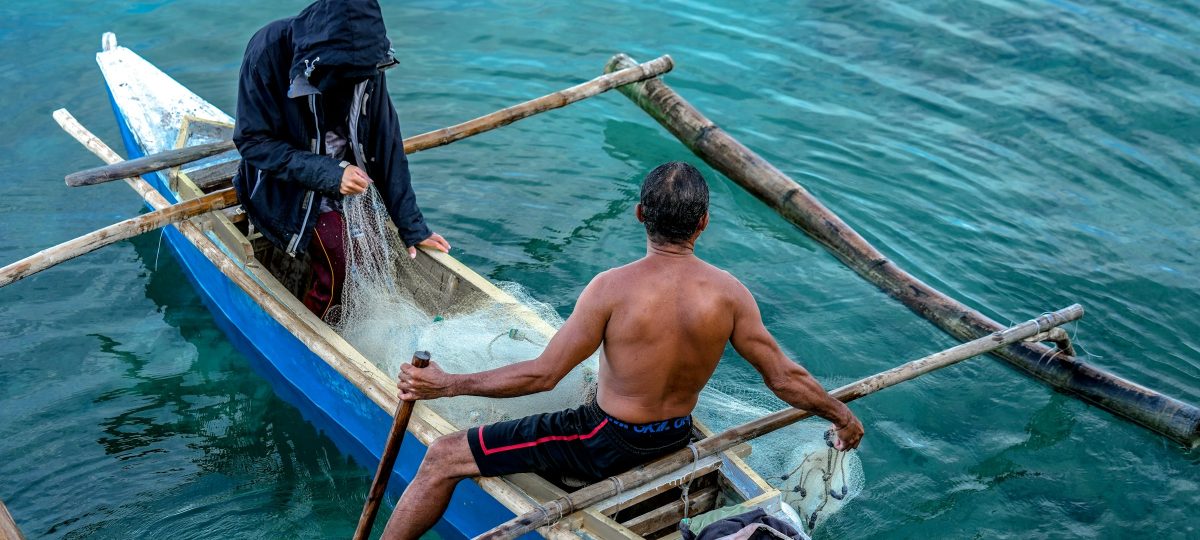
Header foto: Malabuyoc, Cebu, Philippines © Josephus Bajo, Unsplash
This project integrates science, community knowledge, and local policy action to raise awareness and fill critical evidence gaps on the risks of shallow-water seabed mining. By exposing risks, amplifying coastal communities’ voices, and advancing no-go zones and marine protection, we work towards stronger seabed governance together with our partners. In this way, we contribute to the protection of marine life, food security, and the future of coastal families and many others.
A rising threat
With the anticipated depletion and declining grades of terrestrial mineral resources, marine resources are increasingly being considered as a complementary source to meet the growing global demand. This involves the mechanical removal of marine sediments to extract minerals, encompassing both deep-sea (>200 m) and shallow-water operations.
Deepsea mining is already receiving considerable attention from the international community. Shallow-water seabed mining is less well known, though potentially equally destructive. Shallow water seabed mining often overlaps directly with biodiverse, productive coastal ecosystems. Although coastal seas are generally better studied than the deep sea, the specific impacts of shallow-water mining have been largely overlooked.
Precious black sand
Magnetite sand is a source of iron ore and other heavy minerals. These usually black-coloured sands are found along volcanic coastlines in the Philippines, Indonesia, New Zealand, Japan, parts of Africa, and Latin America.
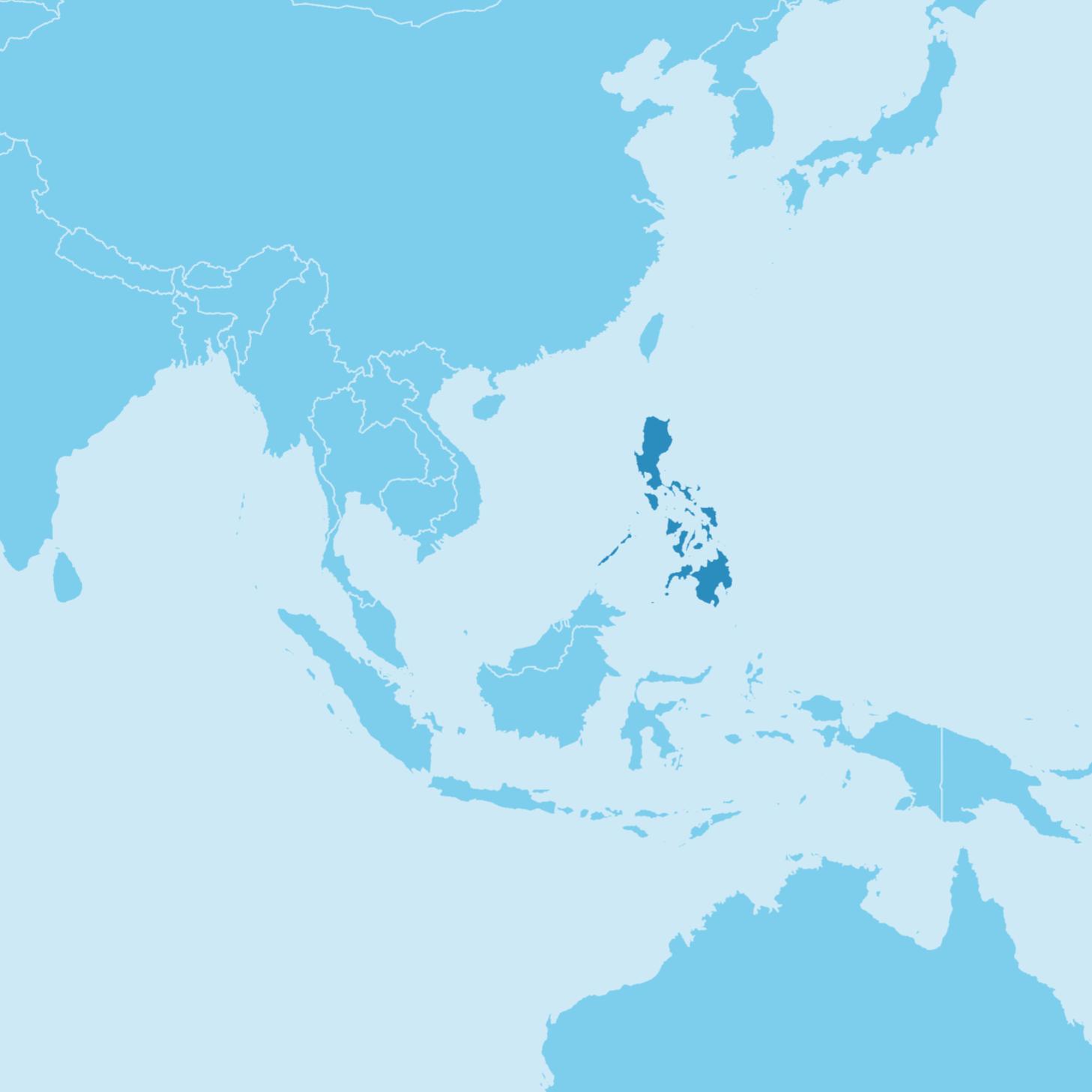
Shallow-water seabed mining is accelerating under outdated laws that were never designed for the ocean. In the Philippines, more than 100 offshore magnetite sand mining tenements already overlap with marine Key Biodiversity Areas and small-scale fishing grounds. For coastal families, this means damaged fishing grounds, increased erosion, and weakened climate resilience.
Because large-scale mining operations are only just emerging, the risks remain largely invisible. Yet decisions made now will lock in impacts for many years and decades to come. Acting early is critical to prevent irreversible harm to marine ecosystems and coastal livelihoods, like those of local fishermen.
Improving seabed governance
The project aims to ensure that strong environmental, social, and governance safeguards are in place as shallow-water seabed mining develops. We start by assembling solid scientific data, legal analysis, and socio-economic insights to clearly show what is at stake beneath the surface. This evidence is enriched with the lived experiences and knowledge of coastal communities, ensuring that the realities of fishing families and ocean defenders are central, not peripheral, to the narrative.
By connecting scientific evidence with the lived realities of coastal communities and ocean defenders, the project grounds policy discussions in local experience. The project partners will provide coastal communities and local authorities with science-based knowledge and skills to support informed decision-making.
We work towards concrete, future-oriented solutions, such as defining no-go zones for seabed-mining and strengthening marine protection measures. These measures are focused on safeguarding biodiversity, food security, and coastal livelihoods. Throughout the project, we apply a precautionary, ecosystem-based approach that is aligned with climate and the 30×30 biodiversity targets. By doing so, we lay out the groundwork for stronger seabed governance that can be replicated locally, nationally, and even across borders.
Expected outcomes:
- Publicly accessible evidence of products on shallow-water seabed mining risks to share nationally and internationally.
- The capacity of coastal communities to engage in marine decision-making, monitoring, and advocacy has been increased.
- Policymakers are better informed and take concrete steps towards stronger safeguards for marine ecosystems and fisheries.
How we will succeed
IUCN NL connects, supports, and amplifies. Throughout the project, our partners always lead on the ground, to make sure their seas are shaped by their own voices.
We work through partnership, evidence, and action:
- Evidence building: Combining existing datasets, scientific analysis, legal review, and community testimonies to create a robust, shared knowledge base.
- Local solutions: Facilitating dialogue, learning and collaboration between fisherfolk, women, youth, community organisations, and local governments in Leyte Gulf.
- Policy engagement: Translating evidence into clear recommendations and engaging decision-makers at local, national, and international levels.