What did IUCN NL do for nature in…
13 April, 2026
What did IUCN NL do for nature in…
13 April, 2026
Emperor penguin and Antarctic fur seal now Endangered…
09 April, 2026
Monday 01 december 2025
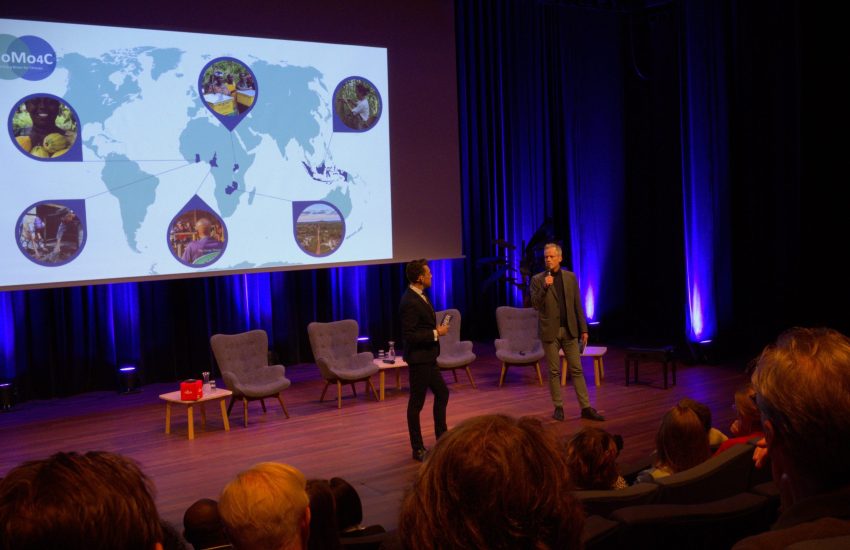
On the 2nd of December 2025 we celebrated 6 years of Mobilising More for Climate (MoMo4C). During the event, we closed the current chapter on MoMo4C, celebrated our achievements, shared insights, and looked to the future. Because even though the programme is coming to an end, our impact does not stop here. The partnerships, approaches, and lessons developed through MoMo4C offer a strong foundation for future efforts to scale up climate action and landscape restoration in vulnerable regions.
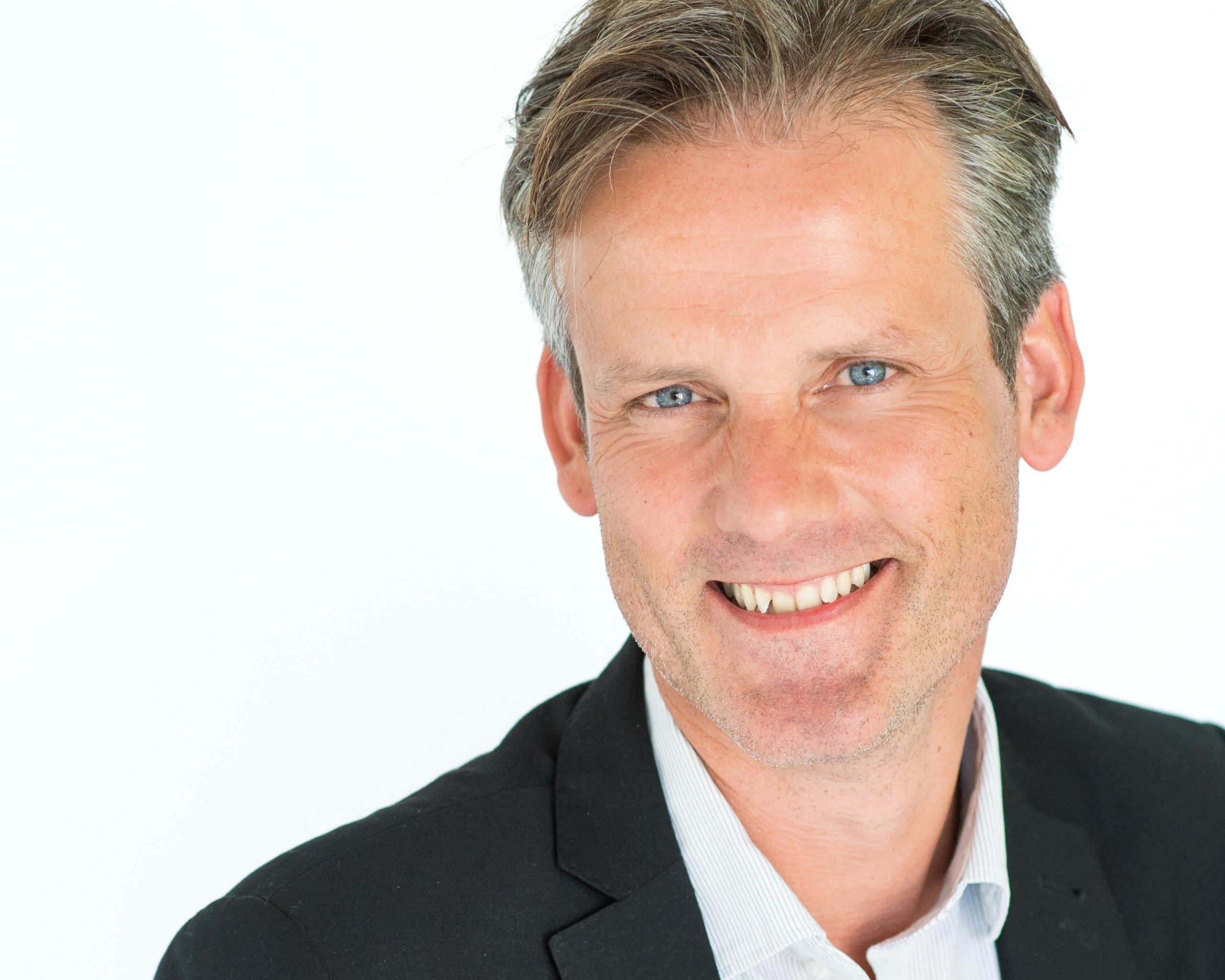
Header photo: Jan Willem den Besten during the MoMo4C event © Nadine Kliffen / IUCN NL
Over the course of the programme (2019-2025), MoMo4C has supported a wide range of locally driven initiatives, from sustainable cocoa and agroforestry ventures to community-led restoration and water-smart agriculture, with a special focus on women. These efforts have mobilised additional funding, strengthened local capacities, and fostered inclusive partnerships that contribute to healthier, more resilient landscapes in Cameroon, Ghana (the Mole Ecological landscape and the Juabeso-Bia & Sefwi Wiawso landscape), Indonesia, Uganda, and Zambia. The programme has shown that investing in nature-based solutions can deliver tangible benefits for both people and the planet.
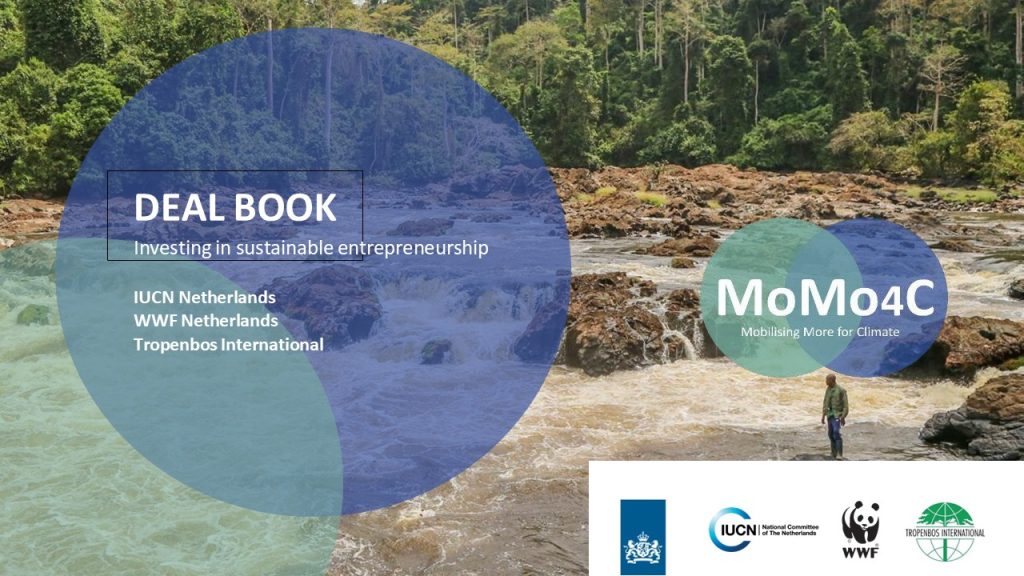
As previously indicated, our impact does not end after this event. We also created a deal book with investment opportunities in the landscapes. This MoMo4C deal book highlights two-dozen more business cases that are still looking for finance or are close to attracting an investor.
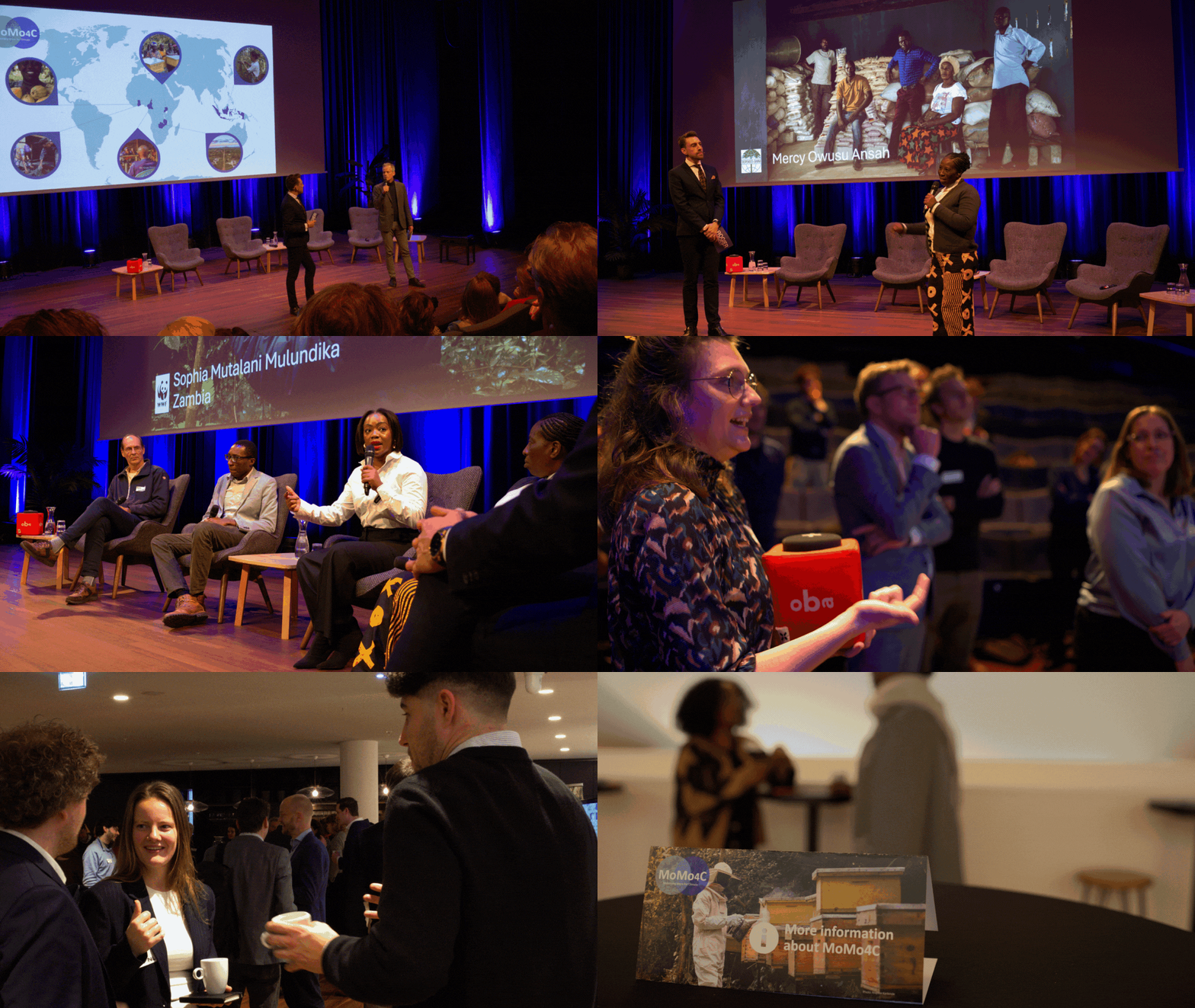
The MoMo4C landscape approach, with its focus on creating the right enabling environment for climate and biodiversity finance, proved successful. Landscape speakers, Pauline Nantongo Kalunda, Mercy Owusu Ansah, and Sophia Mutalani Mulundika, shared stories about the challenges they faced and how MoMo4C helped the business cases succeed. Overall, it was an inspiring day, where we also explored the future of conservation finance.
Last year, we translated our impact from 2020 until 2024 into figures, producing the following results:
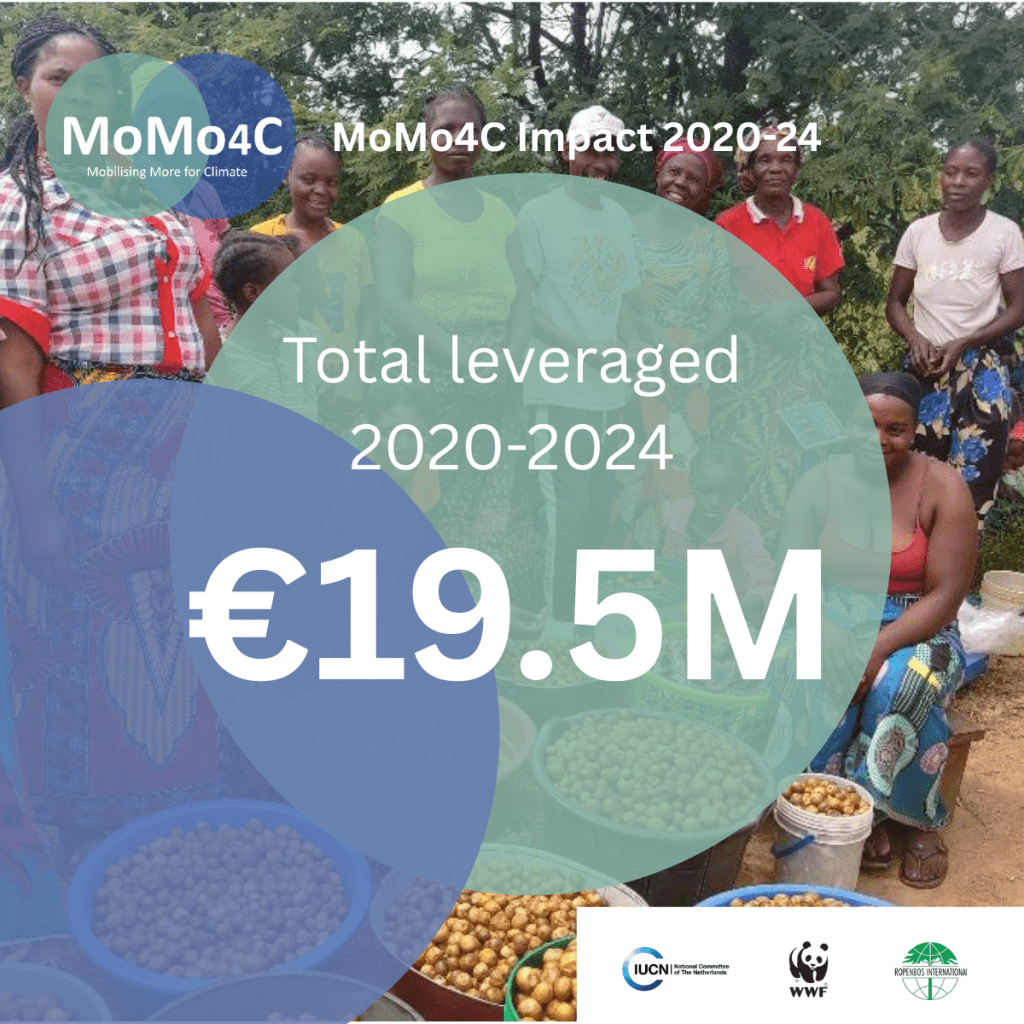
From 2020 to 2024, MoMo4C mobilised €19.5 million in additional finance to support climate and nature-based initiatives. This came in the form of loans, grants, and offtake agreements, which helped business cases expand and strengthen their impact. Private finance accounted for €13 million, with €6.5 million coming from public and philanthropic sources.
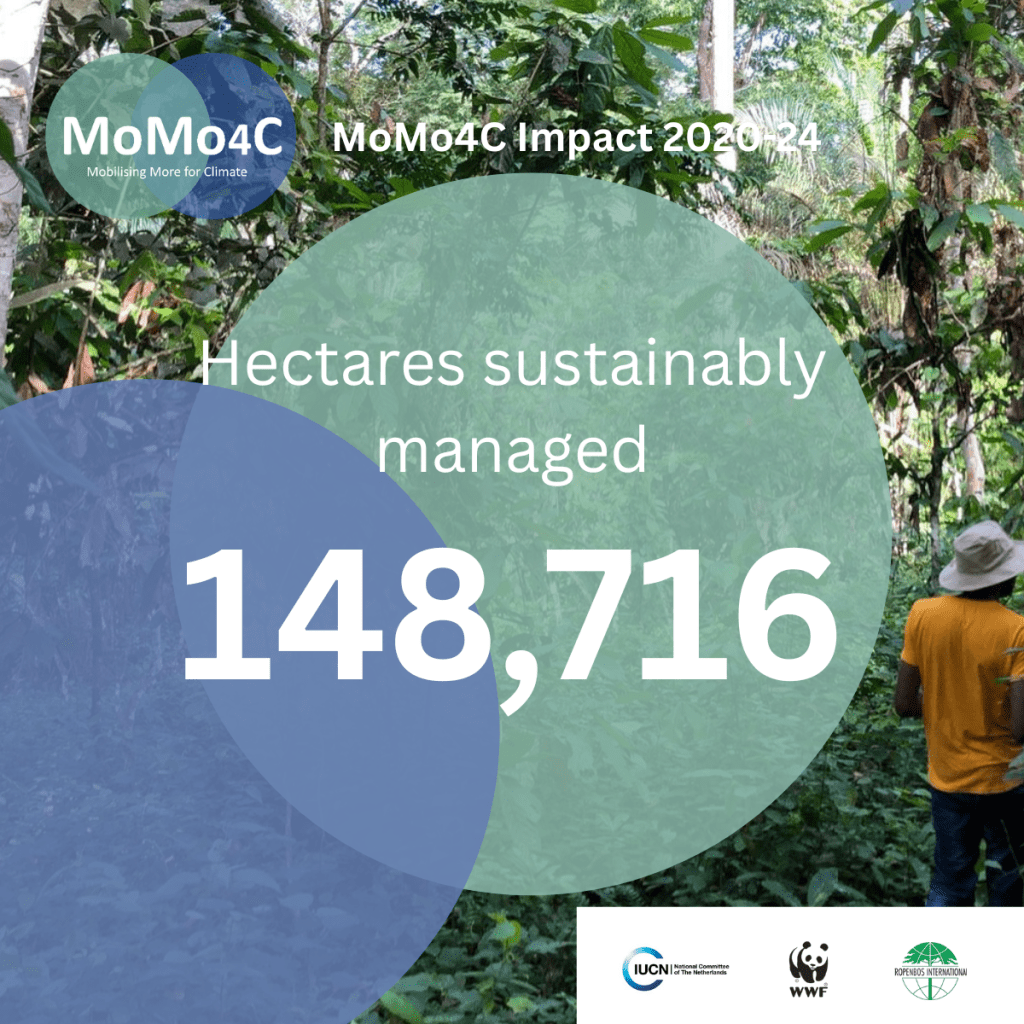
Through MoMo4C, a total of 148,716 hectares of land are now under sustainable management. These areas are managed using climate-smart, sustainable, or biodiversity-friendly practices, ensuring that land and resources are used responsibly. This number reflects hectares at both the business case (direct) and landscape level (area of influence).
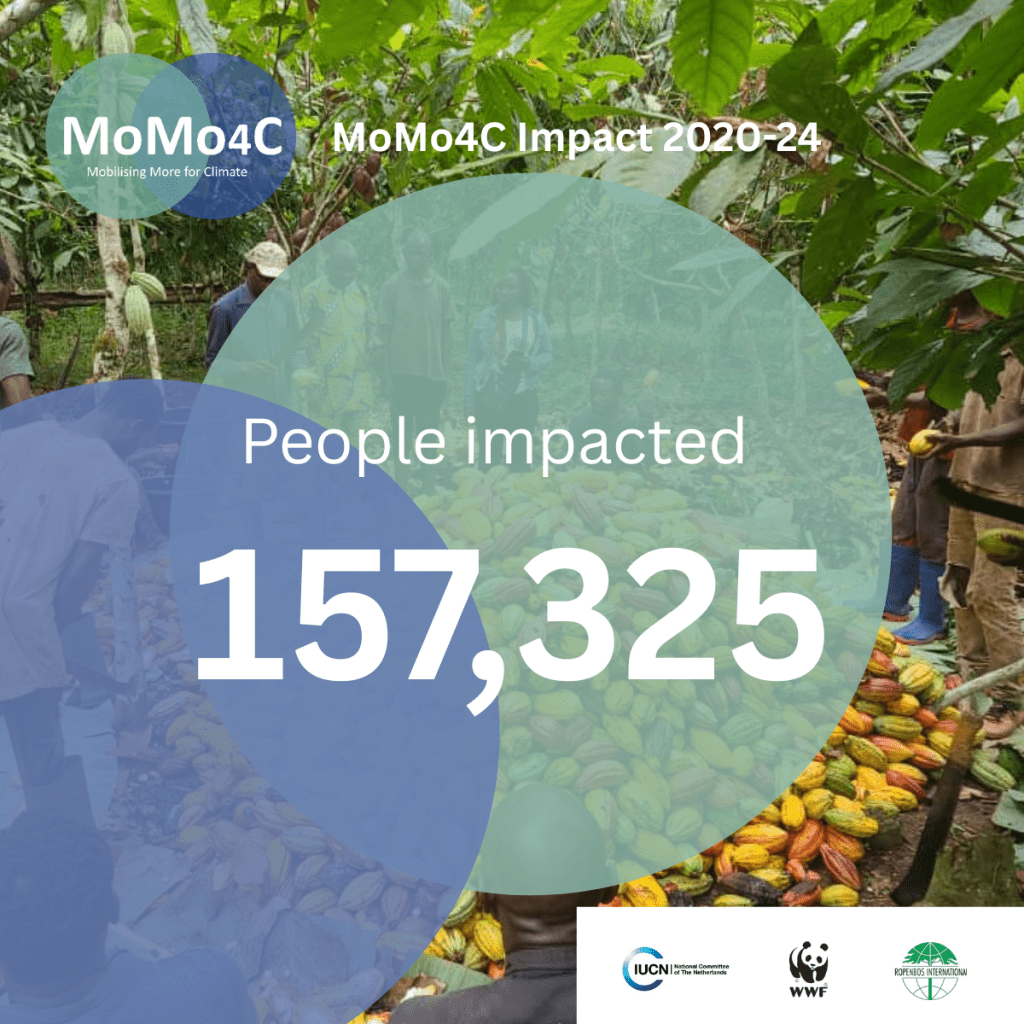
Between 2020 and 2024, MoMo4C reached 157,325 people. These are individuals who have adopted climate-resilient and biodiversity-friendly practices, or experienced improvements in their livelihoods. This occurred at multiple levels – among staff, direct beneficiaries and within landscapes – strengthening both communities and ecosystems.
The natural landscape of Murchison, Uganda, is a biodiverse region with lakes, rivers, and a variety of ecosystems. However, this area faces increasing threats from rapid deforestation driven by agriculture and oil and gas exploitation. ECOTRUST Uganda is working to restore these natural treasures while promoting green business initiatives, such as the Alimugonza Beekeeping Centre of Excellence. This thriving community centre combines honey production, knowledge-sharing, and sustainable practices that support both people and nature.
The Ketapang–Kayong Utara landscape in West Kalimantan, Indonesia, is a heavily deforested area containing crucial remaining primary forests and extensive peatlands vital for climate stability. Deforestation from rubber and palm oil expansion has deeply affected this region. Here, we work with rubber farmers to diversify their agroforestry systems, introducing coffee, fruits, and vegetables alongside rubber trees. These efforts are helping to create a biodiverse, productive, and climate-resilient landscape.
Zambia is home to vast natural wealth and critical conservation areas, with significant populations of large mammals Around 42% of the country’s land is designated as protected areas. WWF NL and WWF Zambia are developing business cases that strengthen biodiversity conservation through sustainable practices. Examples include transforming agricultural waste into eco-friendly energy, producing valuable food products from native wild fruits, and expanding organic honey production.
Mobilising More for Climate contributes to climate resilience and sustainable development by supporting social organisations and entrepreneurs in six landscapes in Ghana, Indonesia, Cameroon, Zambia and Uganda in developing nature-based solutions in biodiverse, climate-resilient landscapes. Together with WWF and Tropenbos International, we focus on creating business cases to attract public, philanthropic and private finance, targeting sectors like agri-food, biodiversity, water forestry and landscape regeneration.


13 April, 2026
We all want a thriving, healthy planet for generations to come. Yet, as in previous years, 2025 has presented significant…
09 April, 2026
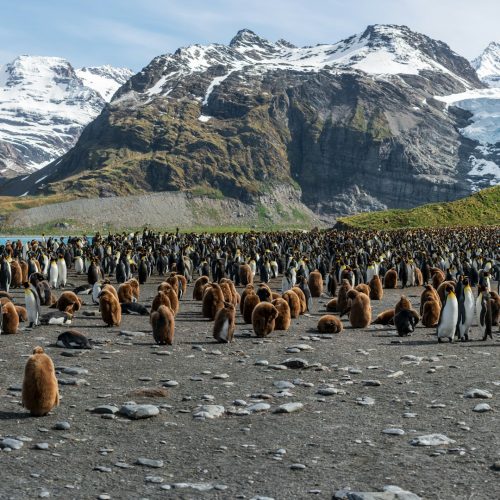
Gland, Switzerland, 9 April 2026 (IUCN) – The emperor penguin and Antarctic fur seal are now both Endangered, according to…