Policy brief: aligning efforts on the EU road towards healthy wetlands


Critical minerals and the western chimpanzee: how bauxite…
24 March, 2026
Tuesday 15 april 2025
Restoring wetlands delivers vital ecosystem services and unlocks economic opportunities. If managed sustainably, European wetlands act as powerful carbon sinks, sequestering vast amounts of greenhouse gases. Large-scale restoration is essential to revive these ecosystems and restore their natural functions. A REWET analysis by IUCN NL highlights the need for clear regulatory frameworks and strategic alignment of restoration efforts across local, regional, and national levels to achieve the greatest impact. Effective restoration at the EU level requires strong coordination among Member States to upscale wetland recovery and climate resilience.
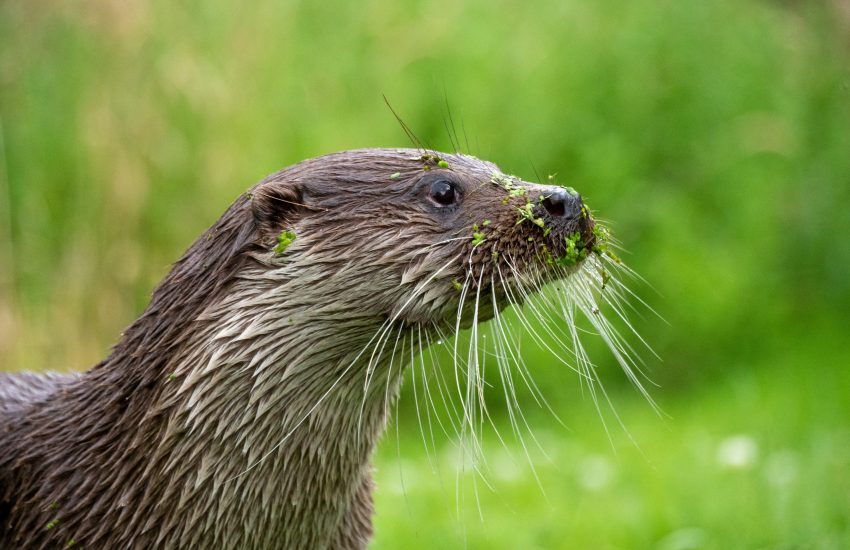
Header photo: Otters are the habitat of otters and many other species © Andy Willis via Unsplash
Wetlands’ carbon potential
More frequent and severe floods and droughts signal the urgent need for action to mitigate the impacts of climate change. Peatlands, mires, and other types of wetlands play a vital role in addressing the intertwined crises of climate change, biodiversity loss, and pollution. If managed effectively and sustainably, wetlands are important in mitigating the effects of extreme weather events such as droughts and flooding. They play a key role in reducing societal risk and long-term costs related to climate change.
Effective implementation of EU legislation
The EU Nature Restoration Law (NRL) recognises wetlands as a cost-effective way to reduce land-use greenhouse gas emissions (GHG). Adequate implementation of the NRL by Member States will also greatly contribute to the objectives of other EU legislation. Effective implementation largely relies on the availability of financial support, the political landscape at national and local levels, and the active participation of landowners and land users.
Currently, restoration efforts of EU Member States are often hindered by conflicting national, regional, and local interests, as well as regulatory barriers, funding shortages, and complex governance structures. Upscaling wetland restoration is essential to achieve the NRL targets. A policy brief by IUCN NL based on the REWET analysis emphasises that efforts should therefore be strategically aligned at local, regional, and national levels. This includes collaborating at the river basin level.
REWET: a laboratory on European scale
REWET is a laboratory for the restoration of wetlands at European scale. In the REWET project, funded by the European Union, NGOs, universities, companies and institutions joined forces to study the full potential of wetland areas. With information from seven open laboratories, we are developing a comprehensive understanding of how European wetlands can best contribute to climate mitigation and adaptation.

More information? Contact:





27 March, 2026
Engaging Stakeholders to Advance Ecosystem-based Adaptation in Mauritius
Madagascar and the Indian ocean islands are a biodiversity hotspot - a group of islands with incredible species diversity and…

24 March, 2026
Critical minerals and the western chimpanzee: how bauxite mining threatens one of West Africa’s last strongholds
In West Africa, the global scramble for critical minerals’ is putting immense pressure on unique ecosystems. As the demand for…