
What did IUCN NL do for nature in…
13 April, 2026
What did IUCN NL do for nature in…
13 April, 2026
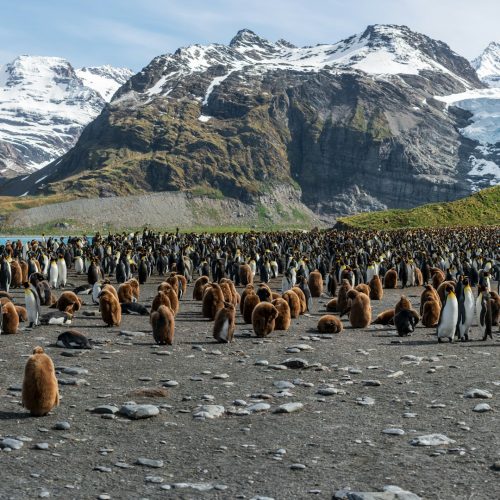
Emperor penguin and Antarctic fur seal now Endangered…
09 April, 2026
Monday 08 december 2025
As Europe accelerates efforts to restore wetlands and riverine ecosystems in line with biodiversity and climate goals, several complex policy dilemmas are emerging. This policy brief explores the key tensions and outlines governance approaches to support effective and inclusive restoration.
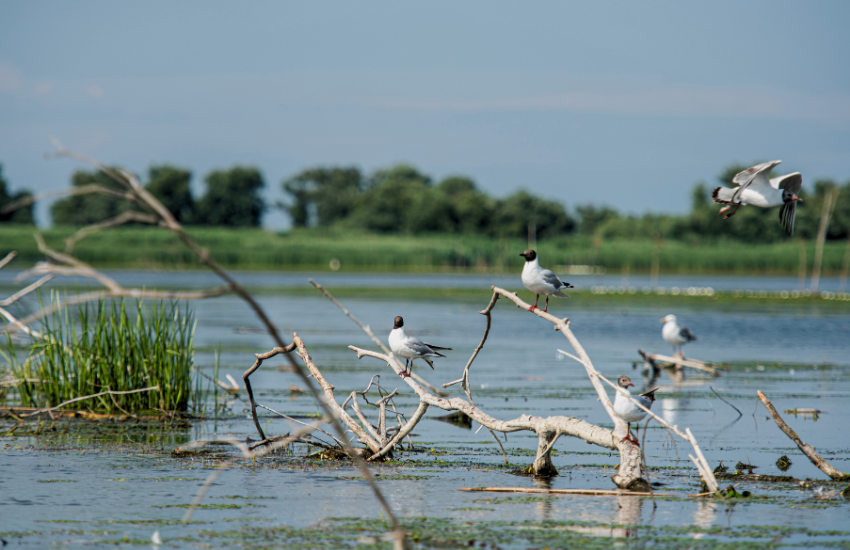
Header photo: Danube Delta by Ivanica Monica from Getty Images
The EU biodiversity and climate regulations call for a significant scaling up of wetland restoration across the EU. While restoration offers significant long-term benefits for biodiversity, climate resilience, and ecosystem services, its implementation often confronts conflicting objectives embedded in existing legal, financial, and sectoral frameworks. In this policy brief, we discuss dilemmas such as tensions between species protection goals and dynamic ecosystem processes, trade-offs between carbon-focused rewetting and biodiversity needs, and mismatches between restoration incentives and agricultural subsidies.
Addressing these dilemmas is essential to ensure restoration efforts are effective, scalable, and socially acceptable. In the policy brief, we propose a few policy option to address these challenges:
REWET is a laboratory for the restoration of wetlands at European scale. In the REWET project, funded by the European Union, NGOs, universities, companies and institutions joined forces to study the full potential of wetland areas. With information from seven open laboratories, we are developing a comprehensive understanding of how European wetlands can best contribute to climate mitigation and adaptation.





13 April, 2026
We all want a thriving, healthy planet for generations to come. Yet, as in previous years, 2025 has presented significant…
09 April, 2026
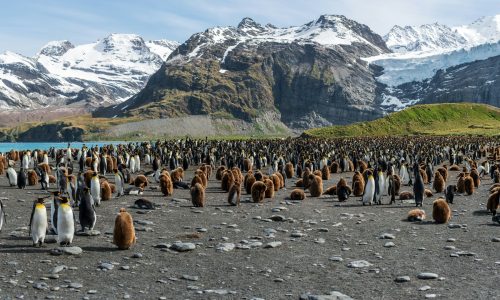
Gland, Switzerland, 9 April 2026 (IUCN) – The emperor penguin and Antarctic fur seal are now both Endangered, according to…