Statement: Invest in local leadership for tropical forest…
20 March, 2026
Statement: Invest in local leadership for tropical forest…
20 March, 2026
Meet the conservationist: Dr. Amelaid follows in the…
12 March, 2026
Tuesday 16 december 2025
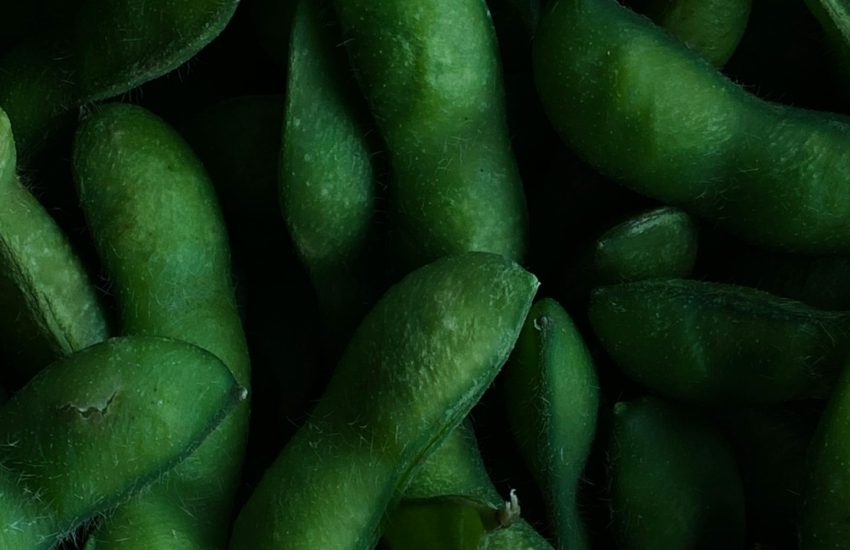
Header photo: A pile of soybeans © Filipp Romanovski on Unsplash
The study reviews 20 soy voluntary standards, benchmarked against the European Feed Manufacturer’s Federation’s 2023 Soy Sourcing Guidelines, examining what has changed since 2023 and what still needs to be addressed to deliver a credible, deforestation free and conversion free, and EUDR ready soy supply for Europe. Many of these standards will have a role to play in achieving and assuring deforestation- and conversion-free, sustainable soy supply chains.
Heleen van den Hombergh, Senior Expert Agro-Commodities at IUCN NL, supported researchers Pavel Boev and Jinke van Dam with the approach, context and recommendations for the soy supply chain. The research was commissioned by WWF Germany.

20 March, 2026
The undersigned organisations call on the Dutch government to supplement its policies and legislation with investments in inclusive, locally led…
12 March, 2026
Amelaïd Houmadi grew up on an island in the Comoros. At his parental house, nestled at the foot of a…