What did IUCN NL do for nature in…
13 April, 2026

What did IUCN NL do for nature in…
13 April, 2026
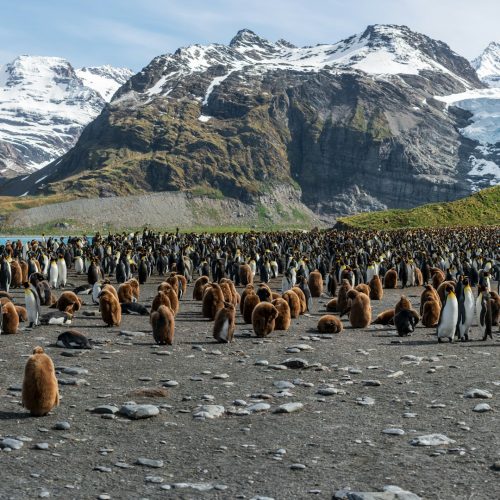
Emperor penguin and Antarctic fur seal now Endangered…
09 April, 2026
Monday 13 october 2025
The EU Nature Restoration Regulation (NRR) provides political momentum and establishes binding targets for restoring degraded ecosystems, including wetlands and peatlands. However, reaching these targets risks being delayed due to perceived knowledge gaps. A REWET policy brief by IUCN NL argues that these gaps should not become an excuse for inaction. The policy brief proposes an approach that advances restoration targets while systematically closing knowledge gaps.
Header photo: Drenthe, Netherlands © Matthias Groeneveld / Pexels
The implementation of the NRR is entering a critical phase, as Member States begin formulating their National Restoration Plans to meet 2030, 2040, and 2050 targets. However, knowledge gaps put the achievement of these targets at risk. These gaps include inconsistent definitions of peatlands, fragmented data on greenhouse gas emissions, and the lack of a centralized monitoring database. Policymakers may lack key data to identify wetlands with the highest biodiversity value or carbon sequestration potential. While robust evidence is crucial, these gaps cannot become an excuse for delay – urgent action is crucial for our environment and climate.
The policy brief advocates a two-fold strategy that allows action and learning to go hand in hand:
The policy brief provides three real-world examples, in which knowledge gaps were creatively addressed and where restoration was managed adaptively:
REWET is a laboratory for the restoration of wetlands at European scale. In the REWET project, funded by the European Union, NGOs, universities, companies and institutions joined forces to study the full potential of wetland areas. With information from seven open laboratories, we are developing a comprehensive understanding of how European wetlands can best contribute to climate mitigation and adaptation.






13 April, 2026
We all want a thriving, healthy planet for generations to come. Yet, as in previous years, 2025 has presented significant…
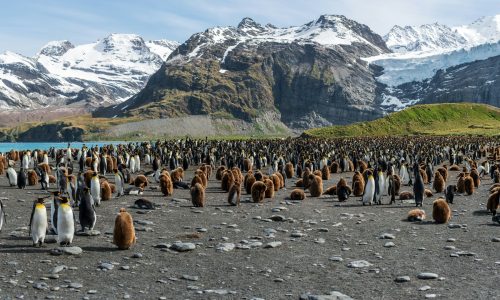
09 April, 2026
Gland, Switzerland, 9 April 2026 (IUCN) – The emperor penguin and Antarctic fur seal are now both Endangered, according to…