Statement: Invest in local leadership for tropical forest…
20 March, 2026
Statement: Invest in local leadership for tropical forest…
20 March, 2026
Meet the conservationist: Dr. Amelaid follows in the…
12 March, 2026
Tuesday 12 august 2025
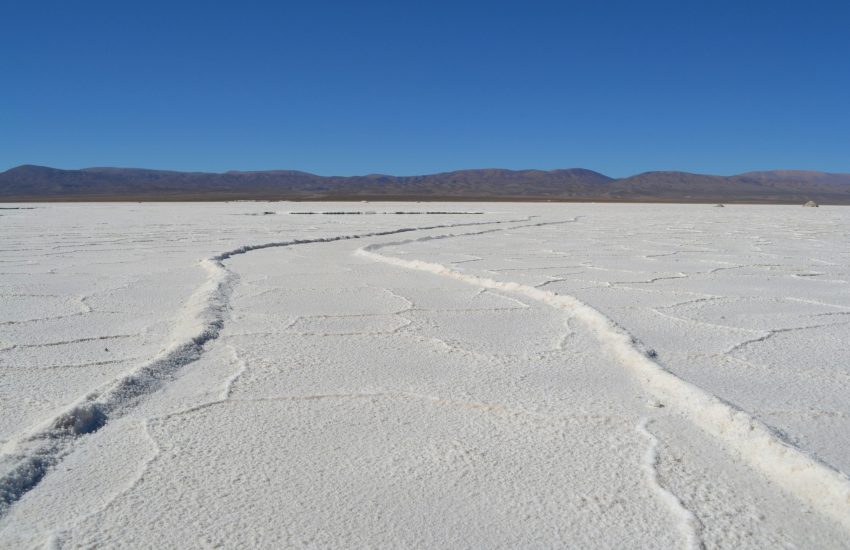
Header photo: by Sofia Truppel on Unsplash
This article was written by our intern Martijn Schoonwater and does not necessarily reflect the position of IUCN NL.
According to the World Bank, demand for lithium is expected to grow sixfold – far beyond current extraction capacities – to “fuel” the green transition. In Latin America, which supplies over 90% of the EU’s lithium, this explosive growth comes at a cost.
Due to lithium mining, local communities face water scarcity, pollution, loss of livelihoods and forced migration, while ecosystems deteriorate and biodiversity is in decline. Whether intentional or not, by accelerating the energy transition, the EU and the Netherlands are placing increasing pressure on communities, ecosystems and biodiversity hotspots in resource-rich regions of the Global South.
While local laws and regulations of mining countries are important, the influence of EU governance should not be underestimated. Despite being regarded as a global advocate for sustainability, the EU’s economic priorities often take precedence over its environmental ambitions. While ambitious policies for a more sustainable lithium value-chain are in place, they are made and adjusted to prevent too much strain on companies – diluting their intended impact.
Through the Bottom Line! Project, amongst others, IUCN NL advocates for an energy transition that is fair and sustainable. Achieving this requires improvements in four key governance areas:
The environmental and social impacts of strategic mineral extraction like lithium often remain invisible. This lack of transparency prevents consumer pressure for change and delays regulatory action. Without consumer-oriented tools like labels, awareness campaigns or transparency policies, the hidden impacts of lithium extraction remain out of sight – and out of mind. Visibility is key to ensure consumers are able to make informed decisions.
Too often in governance, sustainability goals are considered an optional add-on rather than a condition, only pursued when it does not interfere with economic growth or trade interests. To change this, laws, trade agreements and regulatory frameworks must include binding and enforceable commitments to social and environmental standards. Sustainability must be reframed as a non-negotiable requirement.
Many current policies are rigid and biased. In order for governance to tackle sustainability issues in an evolving global context, governance itself needs to be adaptive, able to change with the circumstances. Similarly, when the long-term effects of mineral extraction are uncertain, governance should promote the principle of precaution. This means delaying or halting projects that may cause irreversible harm until the risks are clearly understood and mitigated.
Collaborations between governments, civil society organisations and industry actors tend to result in the most ambitious governance. These initiatives more often prioritise sustainability over other goals, while doing it in a way that benefits all. Governance should encourage multi-stakeholder engagement, whenever possible, and make use of the complementary strengths of different stakeholders to create more just and effective solutions.
The transition to renewable energy is essential—but it must not come at the cost of human rights or ecosystems. The EU and the Netherlands have an opportunity and responsibility to ensure that the minerals fundamental to this transition are managed in ways that align with the sustainability values they promote. For the renewable energy to be truly responsible, the path towards it must not replicate the exploitive patterns of conventional mining practices.

20 March, 2026
The undersigned organisations call on the Dutch government to supplement its policies and legislation with investments in inclusive, locally led…
12 March, 2026
Amelaïd Houmadi grew up on an island in the Comoros. At his parental house, nestled at the foot of a…
