Critical minerals and the western chimpanzee: how bauxite…
24 March, 2026
Critical minerals and the western chimpanzee: how bauxite…
24 March, 2026
Statement: Invest in local leadership for tropical forest…
20 March, 2026
Friday 27 march 2026
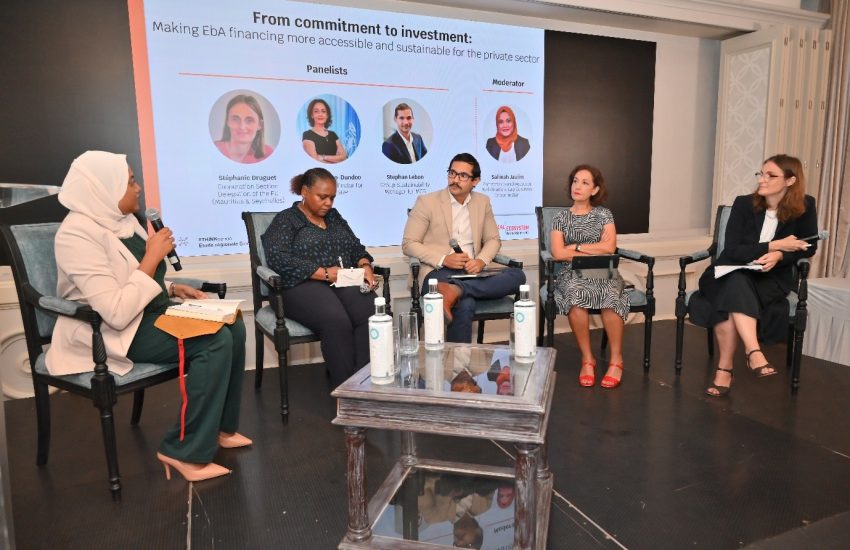
Header photo: Regional panel discussion on EbA financing mechanisms, bringing together public institutions, development partners and financial sector representatives © Cap Business Océan Indien
Mauritius is strengthening its climate resilience through two CEPF‑supported initiatives that are bringing businesses, landowners, policymakers, and civil society into the heart of Ecosystem‑based Adaptation (EbA) planning.
Since July 2024, Cap Business Océan Indien, which brings together chambers of commerce and industry as well as professional organisations from the Indian Ocean islands, has been implementing a project titled “Strengthening Private Sector Engagement in Ecosystem Based Adaption”. This regional initiative aims to enhance private sector capacity to design, implement, and oversee EbA interventions. As part of this effort, Cap Business Océan Indien has conducted a regional assessment of current EbA practices, developed tailored training content for private sector actors, and is fostering collaboration between businesses, researchers, and civil society through a regional working group. The association also encourages networking and knowledge exchange across four countries: Madagascar, the Comoros, Mauritius, and the Seychelles.
On 4 November 2025, nearly 100 stakeholders took part in a regional conference (both in-person and online), representing businesses, public institutions, NGOs, academia, and development partners.
The conference explored:
Panel discussions highlighted persistent barriers, such as limited access to information and the complexity of financial mechanisms, while underscoring opportunities for investment. Findings from the regional EbA assessment revealed a need for:
A second panel consisting of companies from Madagascar, Mauritius, and the Seychelles, showcased already implemented EbA solutions.
For instance, AXIAN Group in Madagascar presented large-scale restoration initiatives covering 451 hectares across 19 subsidiaries, demonstrating measurable ecological outcomes and the importance of long-term vision and scientific approaches.
In Seychelles, Constance Ephelia shared its community-based mangrove management model at Port Launay, combining ecosystem conservation with local engagement and business resilience.
Their examples illustrated how partnerships between businesses, government bodies, NGOs, and universities are critical for scaling nature‑based solutions.
The event concluded with a case study from Constance Hotels & Resorts, which shared practical lessons from integrating EbA within the hospitality sector.
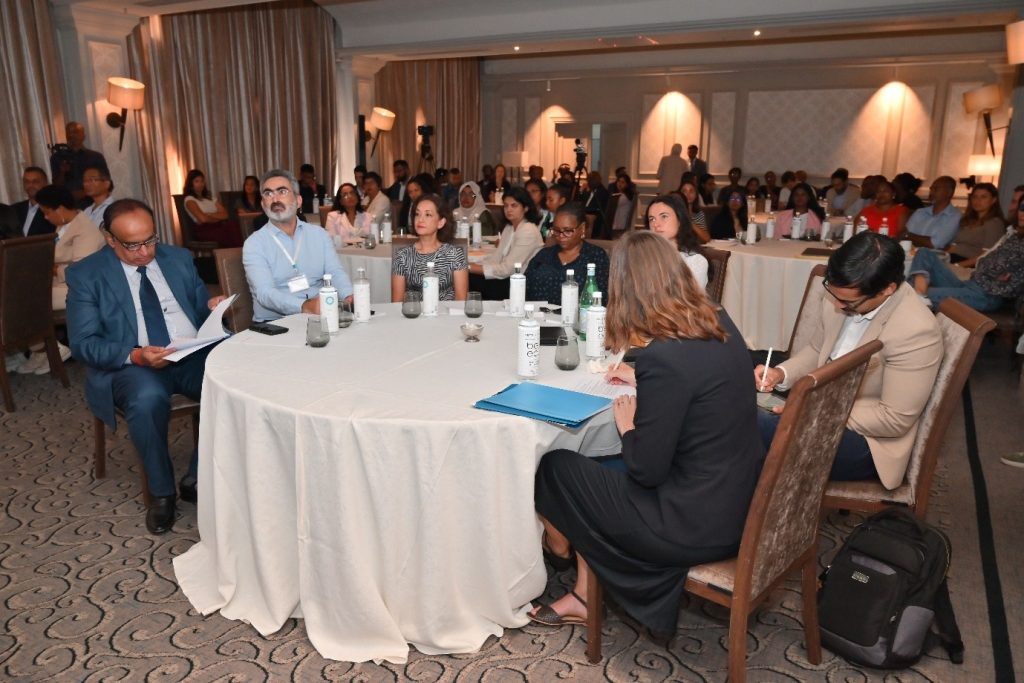
Photo 1: The Move-Biodiversity Conference © Cap Business Océan Indien
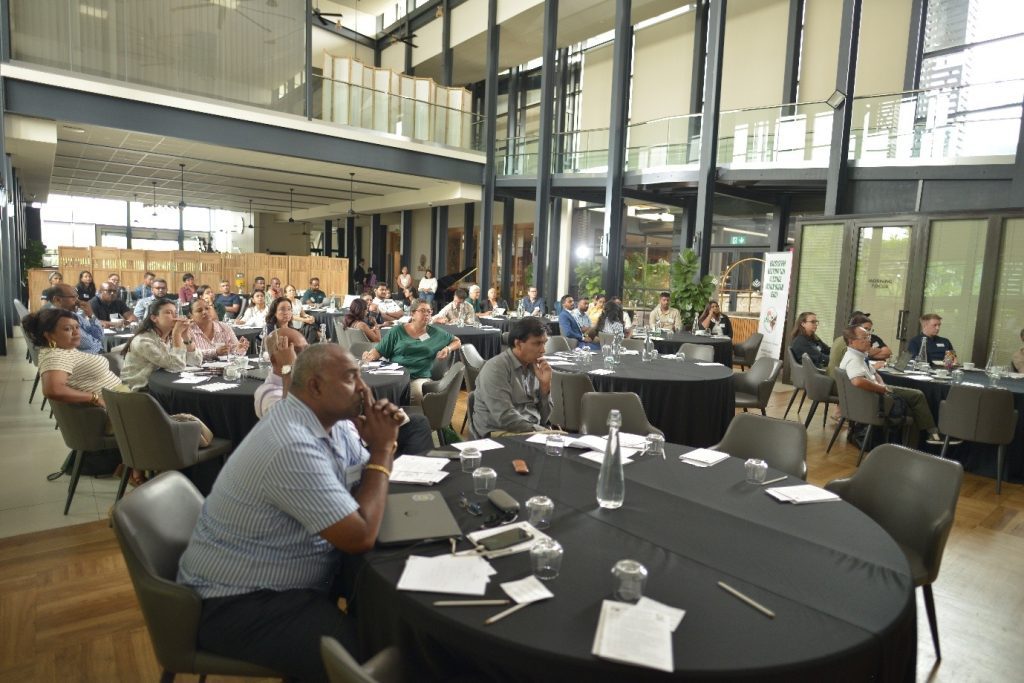
Photo 2: The SMPI Workshop © ERA
Starting from June 2025, the Ecosystem Restoration Alliance – Indian Ocean (ERA) has also led its “Sustainable Mauritius Partnership Initiative”(SMPI) project. The project aims to integrate EbA into the economic and political frameworks through a concerted effort, in collaboration with private land and forest owners. One key activity of the project includes discussing financial and capacity-building incentives. These will help landowners understand and implement sustainable practices effectively for the conservation and enhancement of ecosystem services. The project also works on fostering on the ground changes, disseminating information about the economic and environmental advantages of EbA and influencing policy through policy forums.
On 9 December 2025, the SMPI workshop brought together a wide diversity of stakeholders, from international institutions to local landowners, reflecting the initiative’s core mission: advancing climate resilience through partnership‑driven EbA practices.
During the workshop, participants exchanged insights and challenges related to sustainable land management, ecosystem restoration, climate-resilient development strategies and cross‑sector innovations. Real‑world case studies helped ground the discussions, highlighting both successful interventions and persistent barriers such as funding gaps, policy limitations, and capacity constraints.
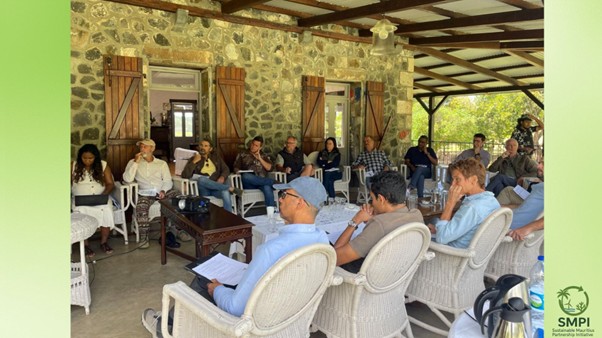
Initial meeting with landowners © ERA
One of the recurring issues raised was the complexity of existing permitting processes. Participants noted that:
These regulatory challenges can delay or discourage sustainability efforts, creating bottlenecks for urgent climate‑action projects.
The workshop’s participatory structure, encouraging open dialogue, feedback sessions, and joint problem-solving, helped identify shared priorities across sectors. It also strengthened networks among businesses, government agencies, NGOs, researchers, and local communities. Outcomes from the workshop are expected to inform future policy discussions and promote more coordinated, efficient pathways for sustainable development in Mauritius.
Across both Cap Business Océan Indien and ERA’s projects, one message resonates clearly: stakeholder engagement is essential for effective, scalable Ecosystem‑based Adaptation. By bringing together diverse groups, CEPF‑supported projects are creating momentum for long‑term, nature‑based solutions that benefit both people and ecosystems. Mauritius now stands at a pivotal moment, with strengthened partnerships paving the way toward a more sustainable and climate‑resilient future.




24 March, 2026
In West Africa, the global scramble for critical minerals’ is putting immense pressure on unique ecosystems. As the demand for…
20 March, 2026
The undersigned organisations call on the Dutch government to supplement its policies and legislation with investments in inclusive, locally led…
