Nickel mining linked to Sulawesi’s Morowali Industrial Park has caused substantial damage to nature, according to research from the IMVO Covenant for the Renewable Energy Sector, initiated by IUCN NL. Mining concessions have been granted in globally important biodiversity areas on the Indonesian island.
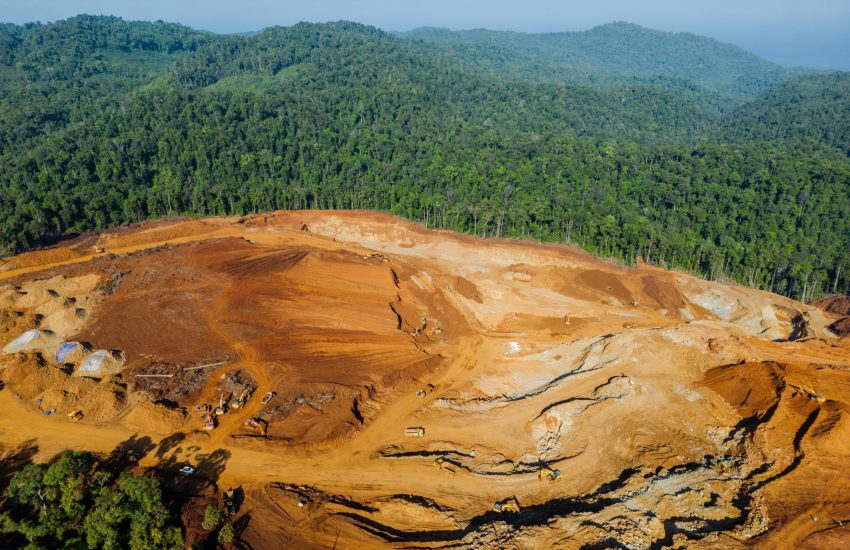
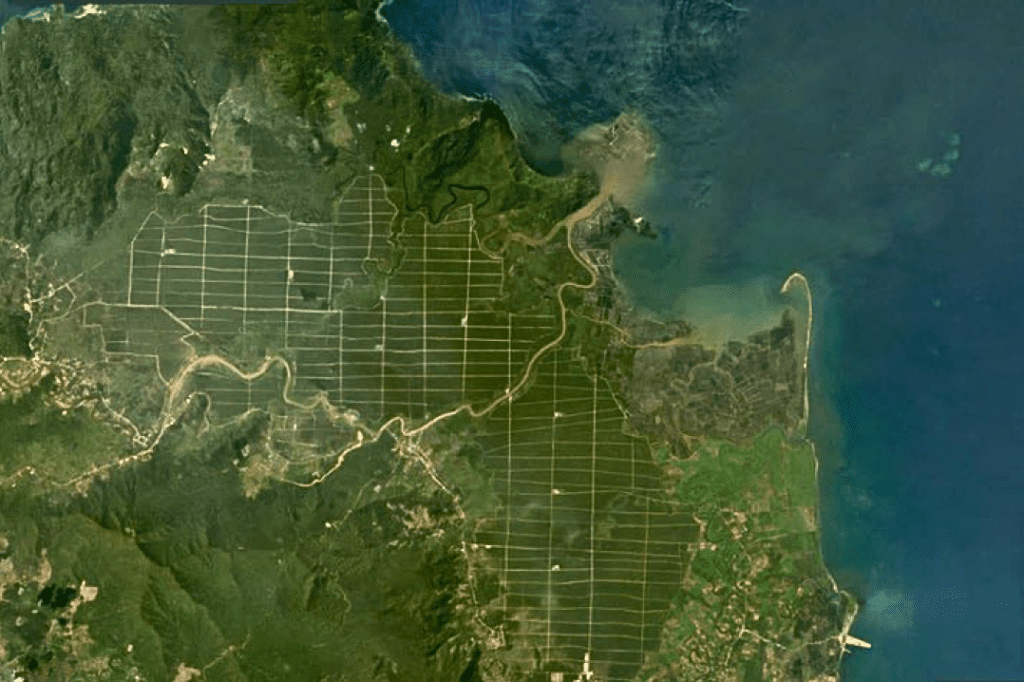
Headerphoto: Nickel mine in Morowali, Central Sulawesi, Indonesia. © Garry Lotulung
Global demand for the minerals and metals for the energy transition is growing and will only increase, according to the World Bank. Demand for nickel, cobalt, lithium and manganese, for example, will increase by more than 500% by 2050. This huge demand is leading to the growth of mining activities on an unprecedented scale.
It is essential to limit global warming and transition from fossil to renewable resources as soon as possible. In this process, we must ensure that damage to nature and people is minimised.
Mining in crucial biodiversity areas
From the IMVO Covenant for the Renewable Energy Sector, IUCN NL commissioned a study on the environmental impact of nickel mining linked to the Morowali Industrial Park on Sulawesi, Indonesia. Nickel is an important raw material for the energy transition. It is used for the production of stainless steel and for the transition to electric vehicles. As this industrial park is one of the largest nickel mining sites in the world, it was chosen as the site for the study.
This study showed that the environmental impact is large-scale and also takes place in globally important biodiversity areas, so-called ‘Key Biodiversity Areas’ (KBAs). These are locations are of global importance for the overall health of the planet and the survival of biodiversity.
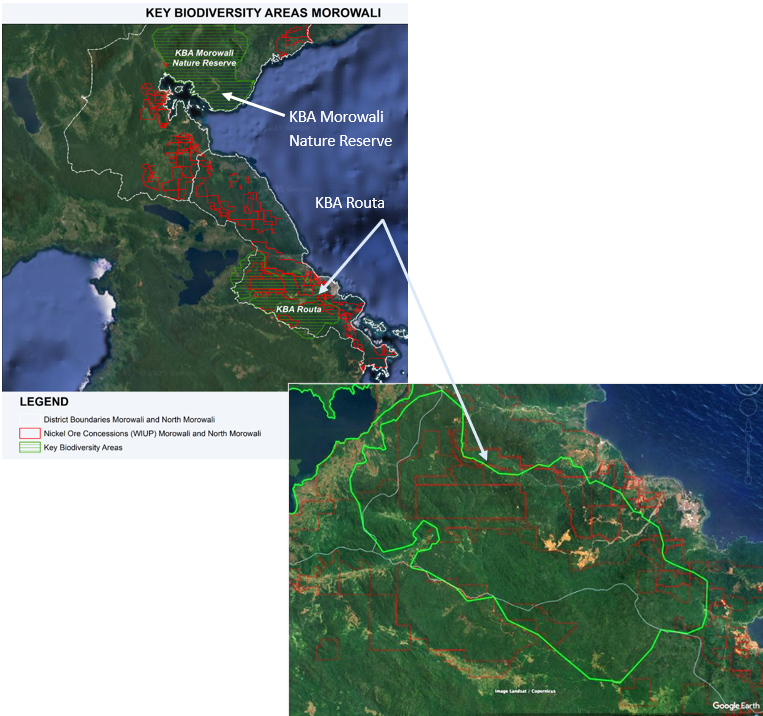
The picture below shows the overlap between mining concessions in the Morowali Industrial Park and the KBAs present there.
Large scale deforestation
The study found that there is an overlap of 58,000 hectares in the Morowali Industrial Park in the form of 22 different nickel mining concessions with KBAs. This poses a significant risk to these very important areas.
It further revealed that in 2023:
- Over three-quarters (77%) of the area with nickel concessions in Morowali overlapped with primary tropical forest.
- Mining-related deforestation within the concessions amounted to ~8,200 ha; a further ~4,100 ha of forest was cleared outside the concession areas for mining and construction of related infrastructure. Deforestation contributes to the loss of habitat for Sulawesi’s endangered and endemic flora and fauna, such as the anoa (smallest cattle species in the world), the deer boar and the maleo bird.
- Post-mining reforestation has only taken place in 5% of the total deforested area. So-called restoration sites are not equivalent to the original forest and habitat, nor the functions it provided.
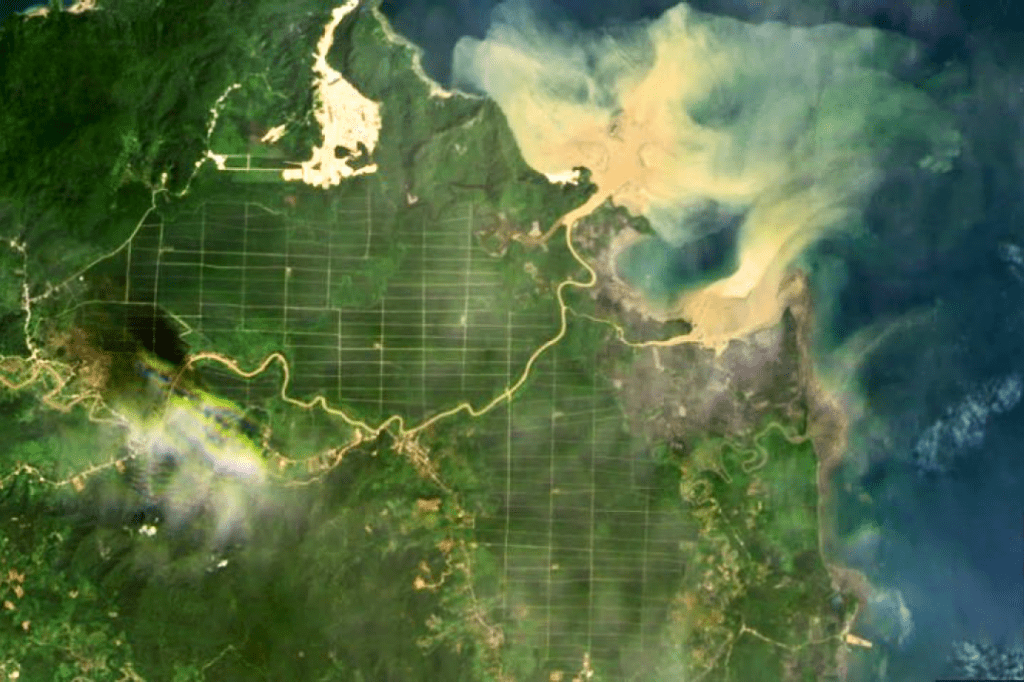
- Poor mining practices lead to widespread soil runoff, one of the industry’s most serious and avoidable impacts on the landscape. Soil runoff severely disrupts coastal ecosystems, including coral reefs, seagrasses and mangroves. Unstable soils pose major safety risks to local communities. Soil runoff also leads to health risks among local people due to heavy metals contained in the washed-off soil. Less harmful mining practices are possible but are often not implemented.
- Apart from the impact on Morowali’s landscape, nickel processing contributes to global warming, mainly due to the large-scale use of coal/coal and quicklime, which in turn involves mining and deforestation in other locations.
Soil erosion due to mining is visible on Morowali satellite images. Left: December 2015 and right: December 2020.
Serious risks to local communities
The study found the following impacts on local communities:
- Mining can bring tangible economic benefits to local communities, but often poses serious risks to health and traditional livelihoods.
- At least a quarter of the mining concession area overlaps with (de facto or potential) community land, creating uncertainty and tensions between mining companies and local communities.
- The sustainability of local and regional coastal fisheries is at risk due to the degradation of mangroves, coral reefs and seagrasses.
- Mining-induced landslides, flash floods and water pollution pose major, potentially lethal risks to villagers and workers. These risks are avoidable.
Recommendations to contain mining damage
The following recommendations are made to companies that are part of the IMVO covenant to curb the harms of mining:
- Responsibility: Set expectations for mineral suppliers whereby mining activity is prohibited in areas with high ecological values, so-called No-Go-Zones (see UN Principles (2024). Include these expectations in the procurement policy.
- Transparency: Ensure that suppliers at different levels (a so-called tier, where e.g. the direct supplier is tier 1) in the value chain can identify each other (Tier 1 to 3). Break the myth of confidentiality by disclosing the names of suppliers.
- Accountability: join the Initiative for Responsible Mining Assurance (IRMA) or support IRMA to help implement responsible mining practices more widely in Indonesia.
- Engage, enable and collaborate: Set up a working group or sector initiative to implement the above steps together. Fund enabling dialogue with stakeholders in/around Morowali. For example, by understanding dissatisfaction, participatory mapping of interests and encouraging conservation efforts.
Just energy transition
IUCN NL works towards a just energy transition, where the negative impact on people and nature is as small as possible. We do this within our projects Forests for a Just Future and Bottom Line!

More information? Contact: