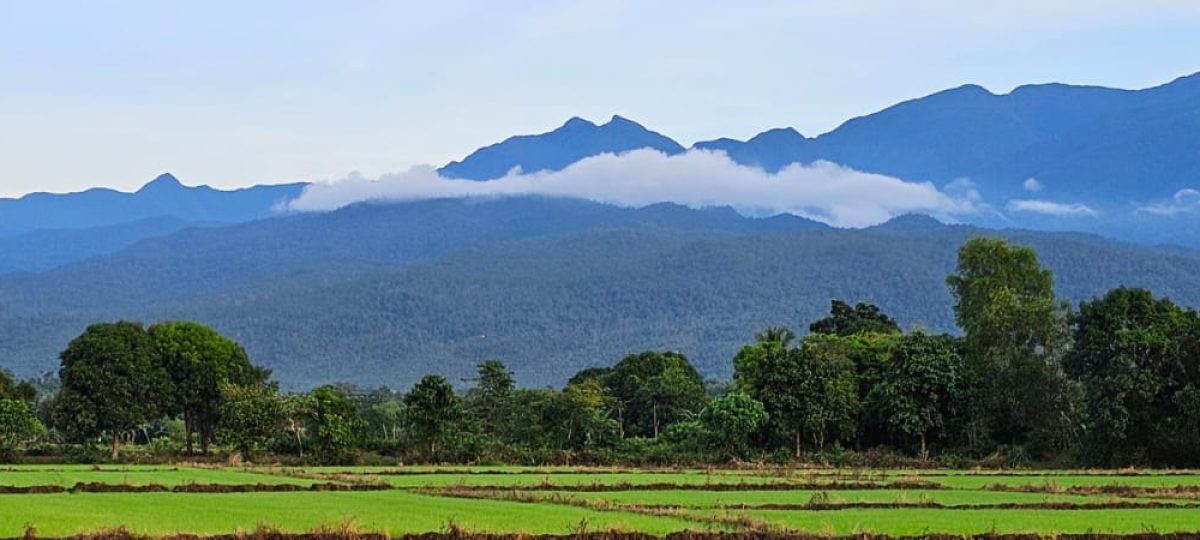
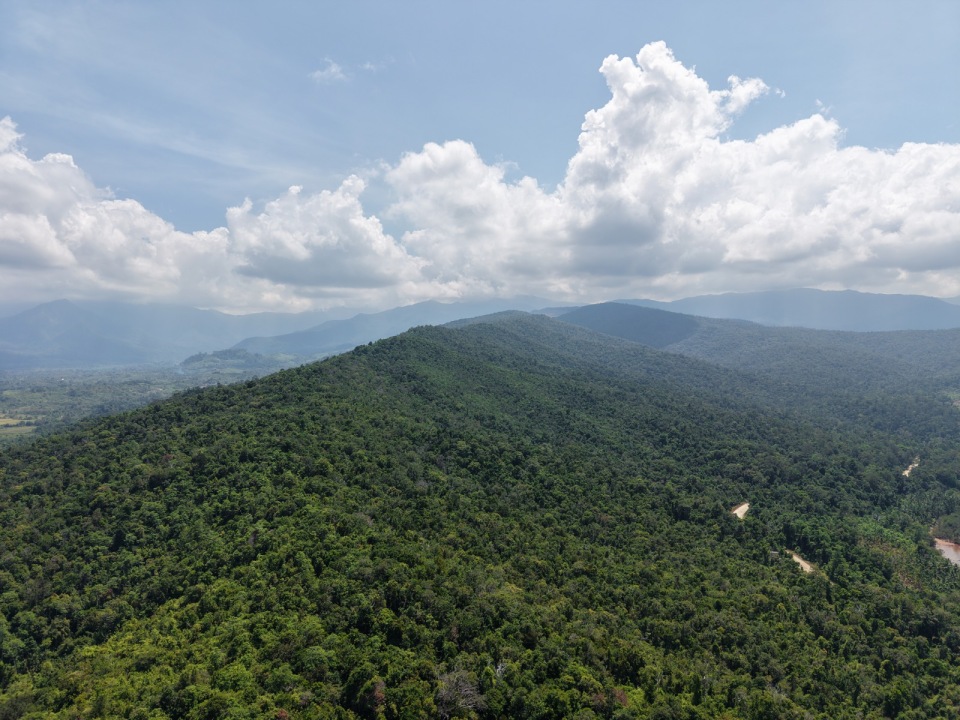
Header photo: VAMR landscape Palawan, Philippines © Roger Garinga
Protecting Key Biodiversity Areas
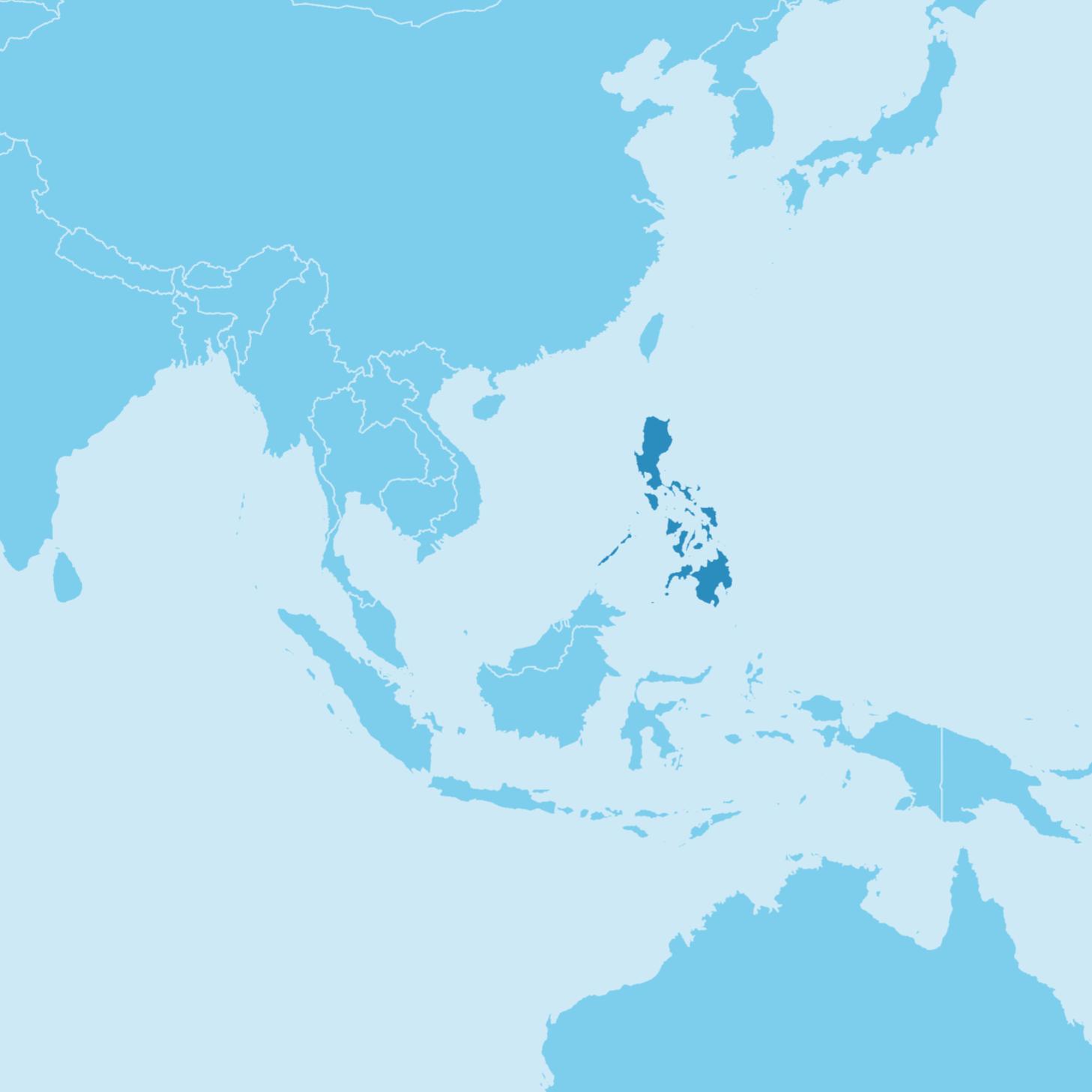
The forested mountain ranges of Victoria-Anepahan and Bulanjao in Palawan face multiple pressures, including existing and planned development projects. The Palawan Biosphere Reserve is a biodiversity hotspot with many species that are found only here. The survival of these endemic species therefore depends on the conservation of the forests on this island.
The remaining forests, including those in Victoria-Anepahan and Bulanjao, are located within the ancestral domain of Indigenous peoples. For them and the communities downstream, these forests fulfil crucial functions, such as providing water and food. In addition, the area contributes to the Indigenous peoples’ cultural values and traditions.
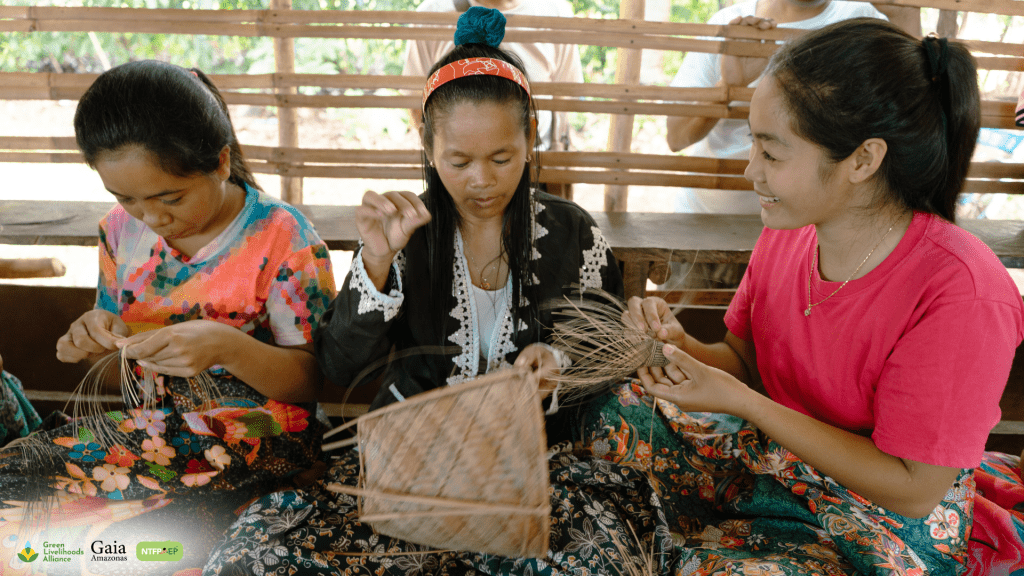
These people, especially women, are directly affected by the threats to their livelihoods, which are largely dependent on non-timber forest products (NTFPs), and to their cultural heritage. At the same time, their traditional knowledge systems are also under pressure.
In this project we create space for the voices of Indigenous peoples and local communities to be heard. We also work to strengthen their capacities and exercise of their rights in and around the two Key Biodiversity Areas. In addition, we focus on the enforcement of existing measures to protect biodiversity and Indigenous rights.
Our local partner organisations work on and towards:
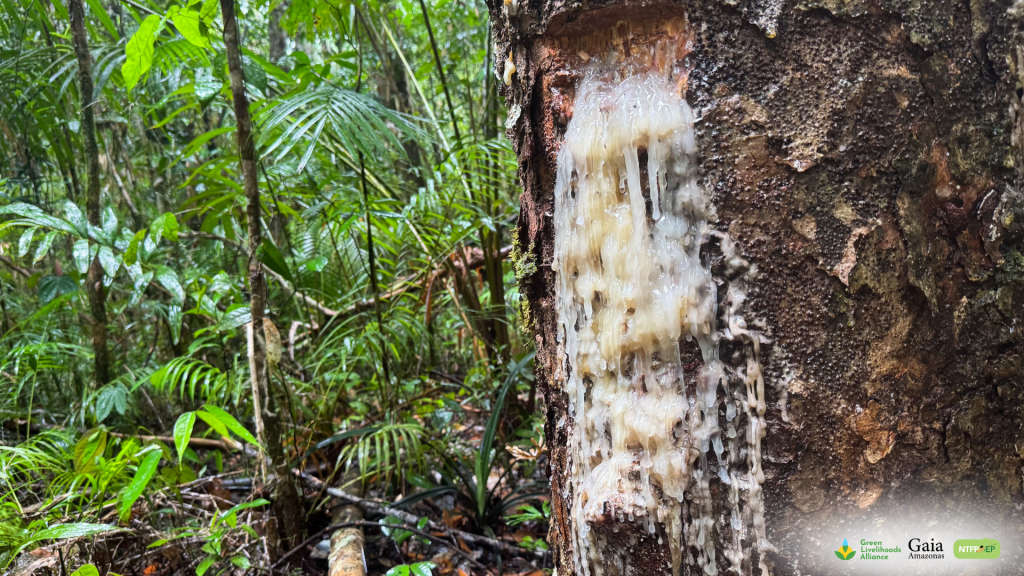
- Strengthening Indigenous governance structures, knowledge systems and practices, as well as strengthening sustainable, green livelihoods based on NTFPs and agroforestry. These nature-friendly production systems support food security and market opportunities, contribute to a dynamic, local, green economy and thus reduce pressure on the remaining forests and their biodiversity.
- Compliance with and enforcement of existing laws and policies to protect the Key Biodiversity Areas, with the active involvement of Indigenous peoples. This includes women and young people, as is underpinned by participative biodiversity studies.
Projected impact
The project will support at least 4,200 Indigenous people in and around the two Key Biodiversity Areas to secure their land rights through certificates of communal ownership and the approval of the sustainable development and protection plans for their territories.
At least thirteen enterprises based on NTFPs and agro-forestry will be set up by the Indigenous people. The economic resilience of 775 Indigenous people (400 women, 375 men) will be increased. In addition, we are working to strengthen the Indigenous knowledge systems and practices of 235 young people.
We will support sustainable forest management and protection across 55,000 ha of Indigenous territories, including the designation of 15,000 ha as Indigenous Peoples’ and Community Conserved Areas and Territories – often referred to as “ICCAs-territories of life – and 3,000 ha of old-growth forest protected as critical habitat.
How we will strengthen indigenous leadership
In a nutshell, the activities include:
- Strengthening capacity and rights of Indigenous peoples and local communities, including:
- Securing rights to ancestral lands;
- Planning and monitoring of locally-driven forest and biodiversity management;
- Developing NTFP- and agroforestry-based enterprises and markets (at community level);
- Engagement with municipal and provincial governments and multi-stakeholder dialogues;
- Supporting meaningful participation of Indigenous peoples and local communities in policy spaces and processes.
Engagement with Palawan stakeholders
We work with the local parties mentioned above to ensure impact: Philippine project partners have strong relationships with the Indigenous peoples and local communities in and around the Key Biodiversity Areas. Their network also extends to national, provincial and municipal authorities, enhancing the project’s effectiveness.
Finally, project partners make use of various special consultative bodies set up by the provincial and municipal governments. This way, we also ensure that the voices of the Indigenous peoples and local communities are heard and amplified.
Project updates
For more information, contact: