IUCN NL at COP17 in Yerevan: locally led…
12 October, 2026

IUCN NL at COP17 in Yerevan: locally led…
12 October, 2026
BESTLIFE2030 launches its third call for proposals
08 October, 2026
Tuesday 14 april 2026
Header photo: Sumatra, Indonesa © Stephanie Broekarts / IUCN NL
In our new report, Interweaving Waters, Forests and Communities – Strategies and Lessons for Water Justice, we share key insights from years of work on water governance under the Forests for a Just Future programme and its predecessor, implemented as part of the Green Livelihoods Alliance. It captures the experiences and reflections of civil society partners working on the frontlines of water and forest protection.
The report highlights practical strategies, challenges, and lessons learnt in advancing water justice – showing how protecting forests, securing community rights, and strengthening local governance are essential to safeguarding water for people and nature.
Text continues below infographic
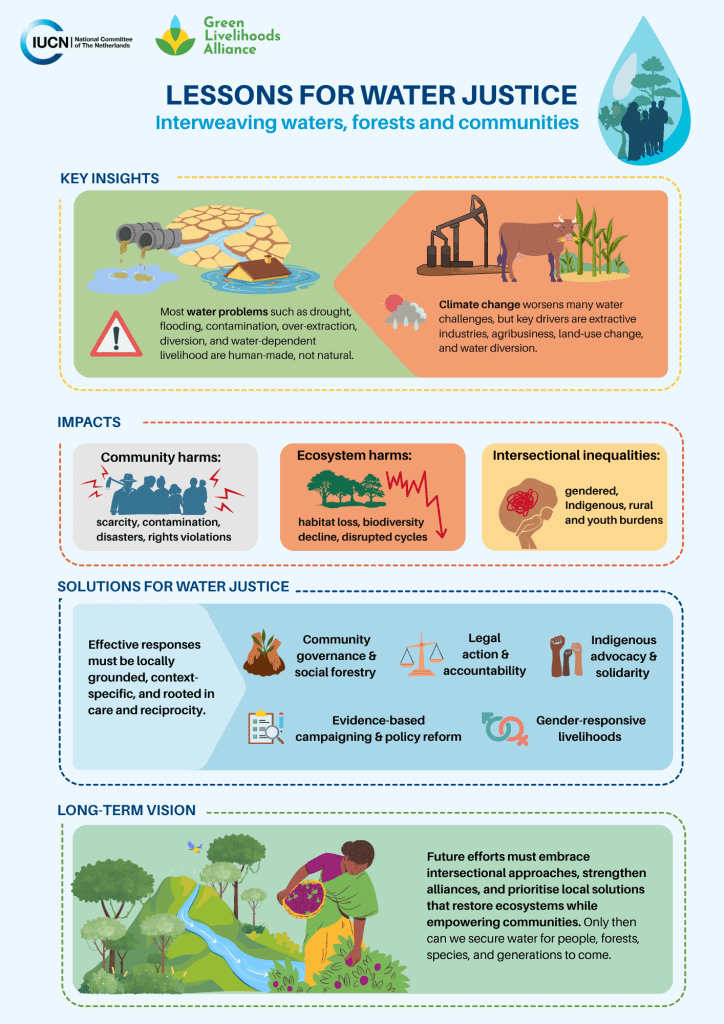
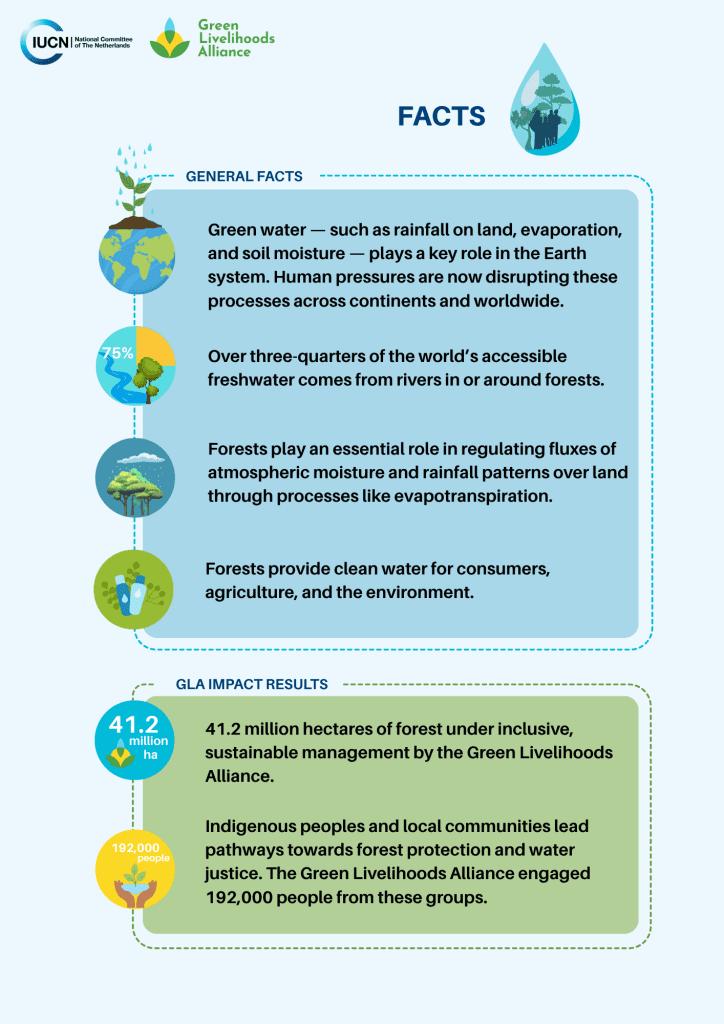
Infographic on the lessons for water justice © IUCN NL
Agricultural production is the largest driver of freshwater consumption globally. Through water-intensive agro-commodities, vast volumes of water are exported embedded in products. Exports of commodities such as beef create enormous pressure on water resources in producer countries, such as Bolivia. The agricultural expansion leaves behind forest degradation, biodiversity loss and escalating water scarcity, like in the Bolivian Chiquitano Forest.
Legal actions and community mobilisation have been critical in restoring water flows and setting a legal precedent in the Chiquitano Forest. The court ruling marked an important step toward accountability and water justice. Such concerted action is important to protect interconnected forest landscapes, biodiversity, water, and the communities that depend on them.
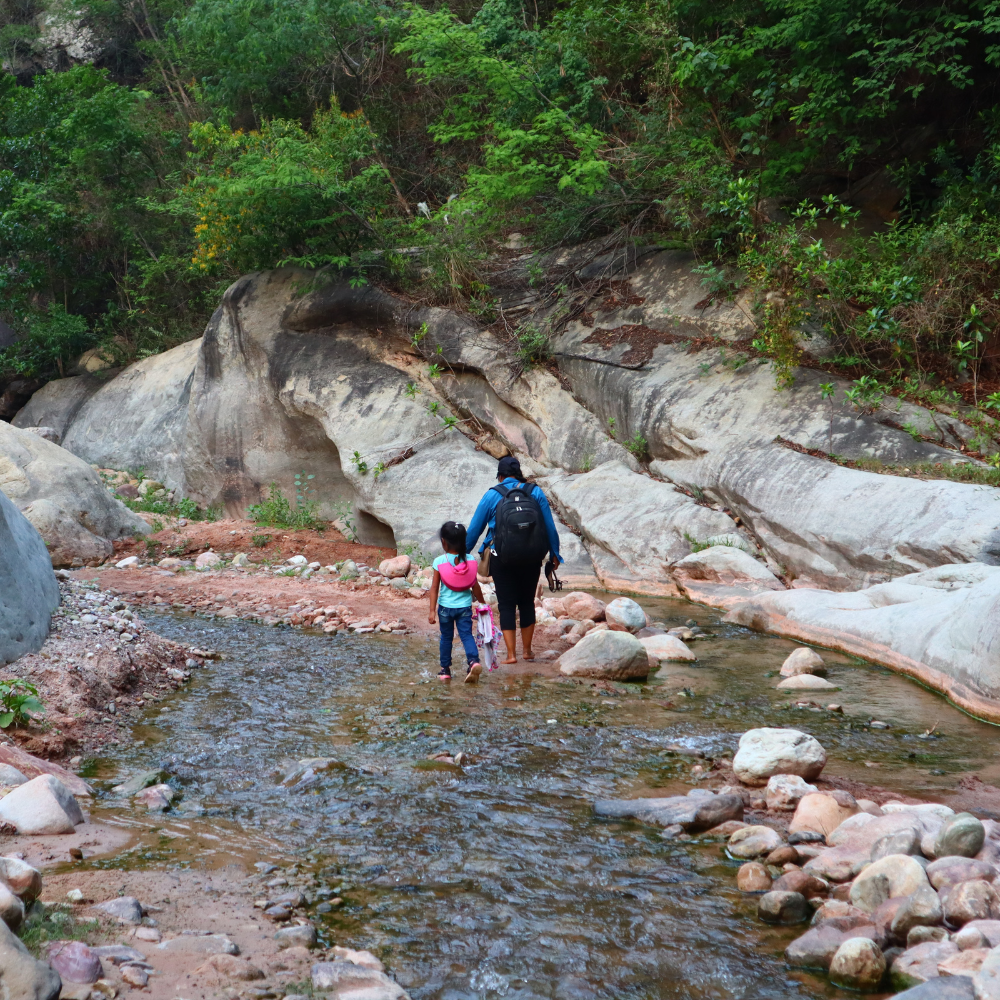
Shifting climate patterns, combined with increasingly extreme weather, are leading to more frequent and severe flash floods. In the forest landscapes of Sumatra, Indonesia, the impact of such disasters on ecosystems and communities is magnified by widespread forest loss. The drivers of forest loss - and thus the intensification of floods - stem from the relentless expansion of extractive frontiers, interwoven with elite interests and structural power imbalances. Disastrous flood events underscore that land-use decisions must prioritise the protection of lives, rights, and water justice.
Social forestry - paired with wider alliance building - has proven to be a powerful approach to protect forests and the communities that depend on them. Community-led forest governance and green business models with collaborative learning and strategy development defend forests and lives against extractive pressures and increasing flood risks.
Mega dams are often portrayed as inevitable solutions to urban water scarcity. This narrative hides deep structural injustices: water is enclosed and diverted to serve urban interests, reinforcing development models that favour cities while marginalizing rural communities. The Kaliwa Dam in the Philippines exemplifies these dynamics, deepening urban-rural inequalities, prioritising certain lives and lifeways over others. It threatens Indigenous lands, biodiversity, and forest ecosystems essential for long-term water security.
In response to mega dam plans, Indigenous-led opposition and broader solidarity have emerged, fighting for intergenerational water justice to secure access for present and future generations. In the Philippines, resistance faces both subtle and overt violence, making solidarity vital. Through partnerships and alliances, these voices strengthen efforts to defend water, forests, and human rights while sustaining biodiversity and community well-being.
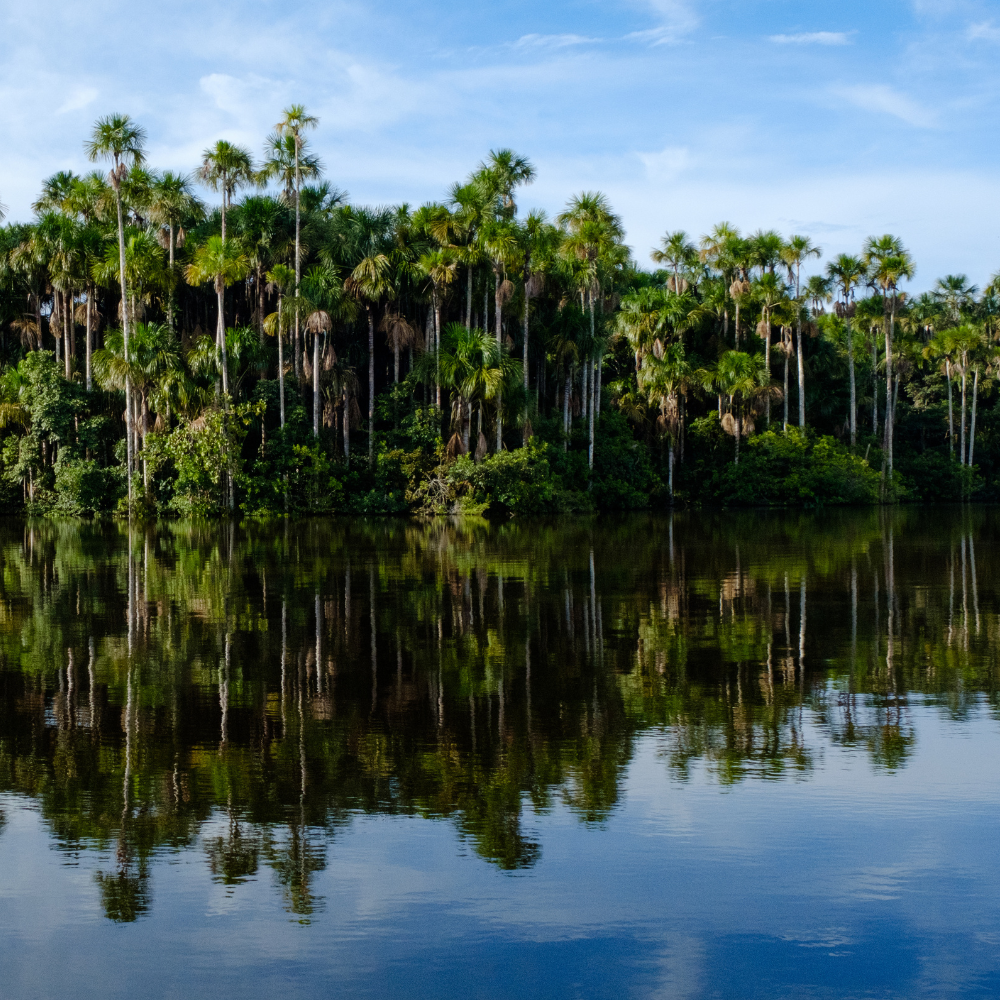
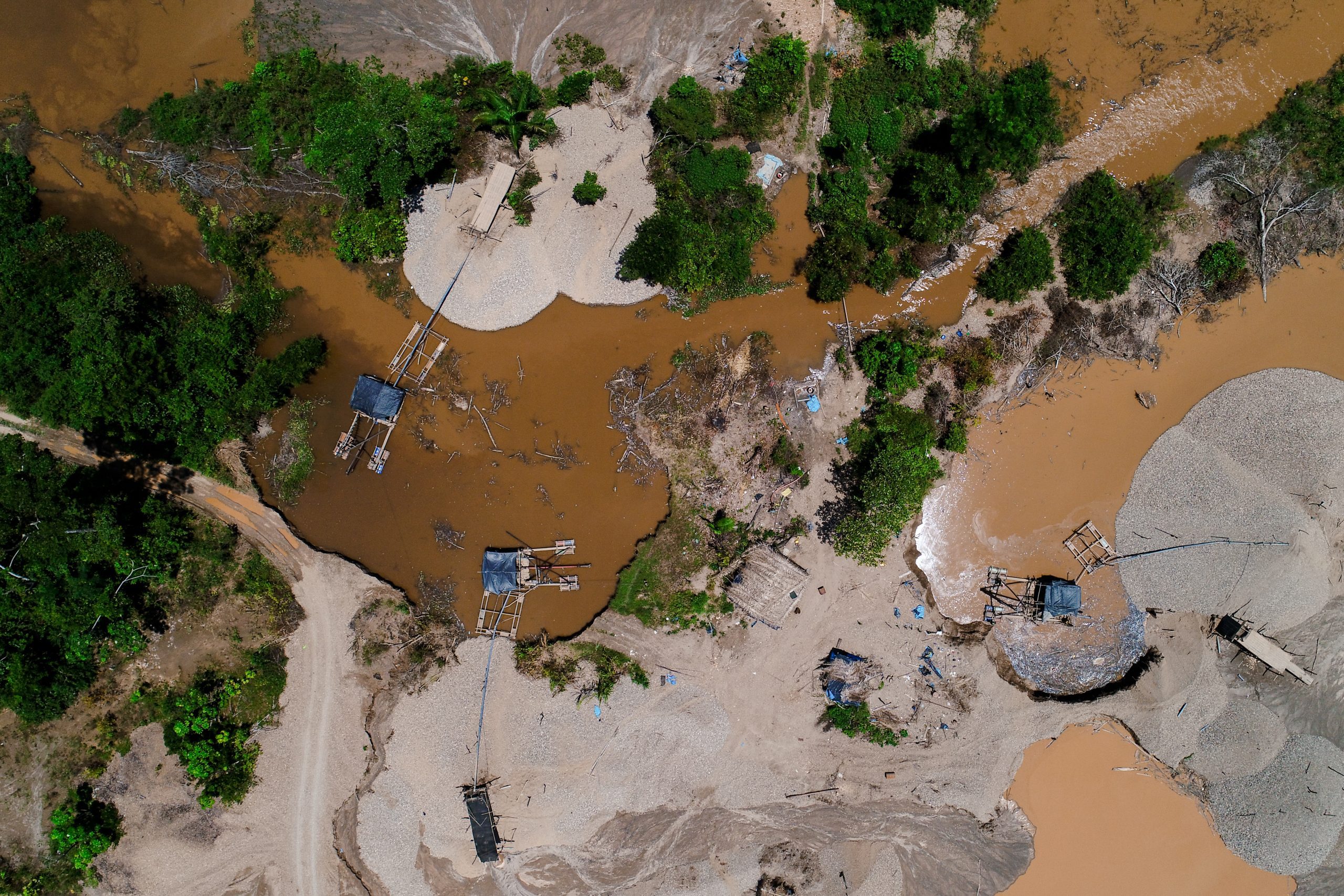
Geopolitical pressures, reflected in a global surge in demand for gold and the extractive imperative promoted by the national government, have triggered a gold rush in the Bolivian Amazon. This boom has a hidden cost: Bolivia has become the world’s largest legal importer of mercury, with devastating consequences for ecosystems and people. Across the Beni and Madre de Dios rivers, in one of the continent’s most biodiverse regions, gold mining and mercury contamination destroys ecosystems and violates human rights. Extractive pressures also heighten violence against community members and environmental defenders.
In the face of this environmental and human rights crisis, interconnected strategies have been crucial. IUCN NL and Bolivian partner CEDIB have engaged in evidence generation, pursued engagement with international human rights reporting mechanisms, and foster alliance building to demand accountability and advanced water justice in Bolivia’s Amazon forests.
The synthesis of challenges, lessons, and strategies signals an urgent need for coordinated action – across landscapes and scales – to advance water justice and fair water policies. Future efforts must embrace intersectional approaches, strengthen alliances, and prioritise local solutions that restore ecosystems while empowering communities. Only then can we secure water for people, forests, species, and generations to come.
In the Forests for a Just Future programme of the Green Livelihoods Alliance, IUCN NL contributed to more sustainable and inclusive governance of tropical forests, in a way that promoted climate mitigation, water provisioning, biodiversity and human rights and that safeguards the livelihoods of Indigenous peoples and local communities (IP&LCs).



12 October, 2026
From 19 to 30 October 2026, the UN Biodiversity Conference (CBD COP17) takes place in Yerevan, Armenia, under the theme…
08 October, 2026
We are pleased to announce that the third BESTLIFE2030 call for proposals is now open, providing new funding for locally…
