
IUCN NL at COP17 in Yerevan: locally led…
12 October, 2026
IUCN NL at COP17 in Yerevan: locally led…
12 October, 2026
BESTLIFE2030 launches its third call for proposals
08 October, 2026
Friday 10 january 2025
Header photo: Garden dormouse (Eliomys quercinus) © Wesley Overman
Rebel, a financial-strategic consultancy firm that focuses on social issues, has donated €16,000 to Entrepreneurs for Nature to improve the habitat of the garden dormouse (Eliomys quercinus). With this contribution, the Zoogdiervereniging, a member organisation of IUCN in the Netherlands, can plant trees along a busy road so that the rodents can cross safely. In addition, trees and hedges are being planned to connect the habitats of the garden dormouse in Zuid-Limburg, a province in the south of the Netherlands bordering Belgium and Germany.
‘IUCN NL and its partner organisations help us to identify concrete and urgent projects. Our contribution will support the Zoogdiervereniging in improving the habitat of the garden dormouse.’
-Jonne Velthuis from Rebel
‘This donation comes from Rebel’s Flora & Fauna team, which focuses on funding and financing nature(-inclusive) developments. Many of our projects are at the policy level or involve systemic change. For and with our clients, we strive for a positive impact on nature, which also involves uncertainties. In addition, the results are sometimes only visible in the long term, while combating biodiversity loss is urgent. That is why we contribute to a project with a direct impact through Entrepreneurs for Nature. In this way, IUCN NL and its partner organisations help us to find concrete and urgent projects. Our contribution will support the Zoogdiervereniging in improving the habitat of the garden dormouse. And as a team, we will also help to put up nesting boxes for this endangered species,’ Jonne Velthuis of Rebel says.
The number of garden dormice in the Netherlands is declining rapidly. In 1950, the population in our country was estimated at 1,500 to 2,000, while in 2022 there were only 100 to 150 dormice. In the Netherlands, this species, which belongs to the dormouse family, now only lives in the Savelsbos and Bemelerberg in Zuid-Limburg. The IUCN Red List shows that the garden dormouse population is also declining or has already disappeared in many other European countries. This is typical of the trend that is visible worldwide – and also in the Netherlands in particular. Many vulnerable species are in a downward spiral.
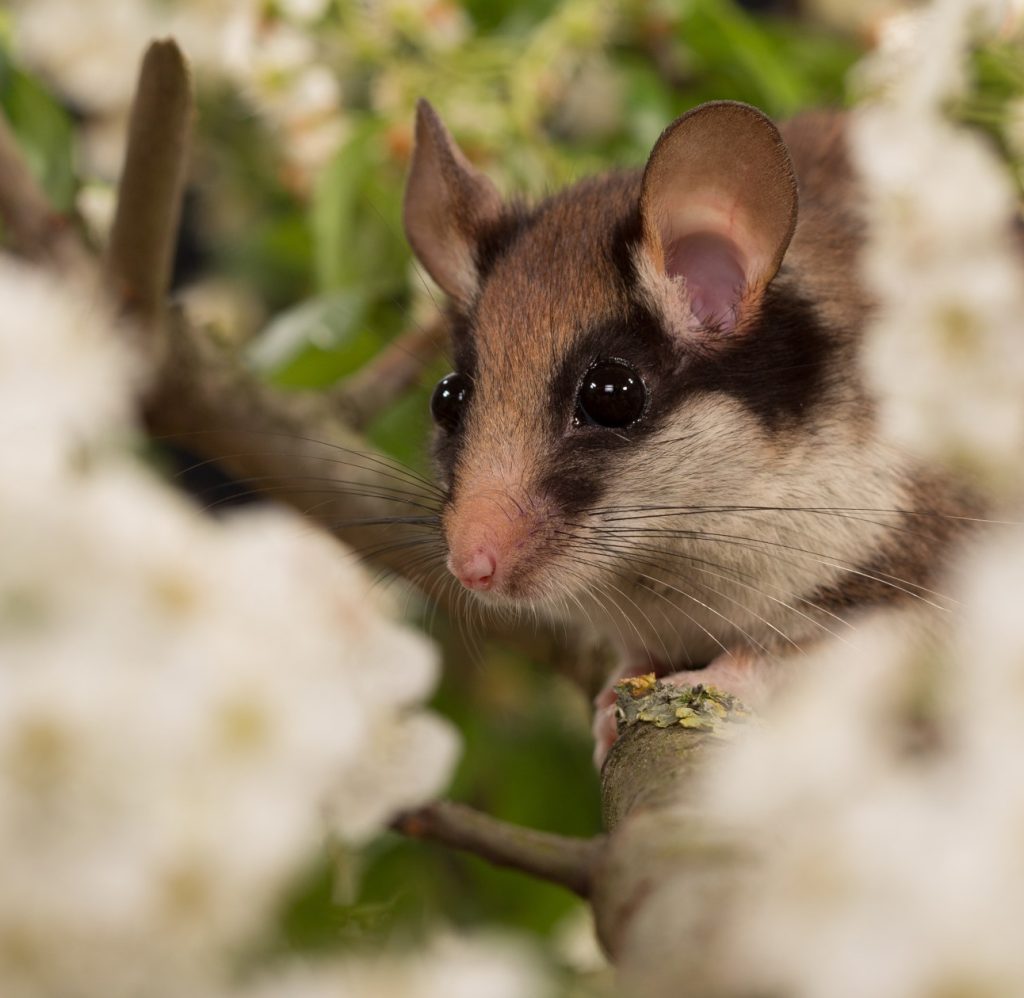
Dormouse © Wesley Overman
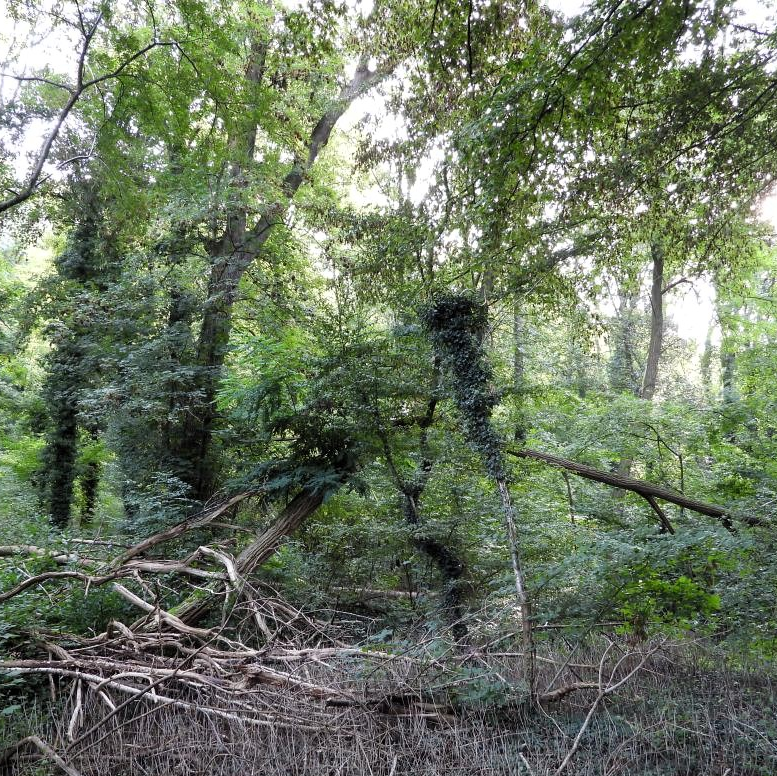
The habitat of the dormouse © Eveline van der Jagt
The Zoogdiervereniging closely monitors this species, which is notable for its black mask and bushy tail. The rapid decline in population is probably due to the destruction of its habitat. The garden dormouse lives in sloping forests, but it can also feel at home in orchards and gardens, for example. However, it needs sufficient hedges, bushes and trees to be able to move around. Because the garden dormouse likes to eat seeds, fruits, and nuts, especially in the run-up to hibernation, native fruit and nut bushes are also important in its habitat.
The activities supported by Rebel contribute to the goal of the Zoogdiervereniging to connect the Savelsbos and Bemelerberg, both with each other and with the Geuldal and the garden dormouse’s habitat in Belgium. This project is being carried out in collaboration with OmniVerde and with the support of various (government) agencies.
Entrepreneurs for Nature (Ondernemers voor Natuur in Dutch) is an initiative of IUCN NL. We finance concrete nature restoration measures that contribute to a robust nature network in which vulnerable plants and animals are given another chance, as well as measures that stimulate the prevention of and adaptation to climate change.


12 October, 2026
From 19 to 30 October 2026, the UN Biodiversity Conference (CBD COP17) takes place in Yerevan, Armenia, under the theme…
08 October, 2026
We are pleased to announce that the third BESTLIFE2030 call for proposals is now open, providing new funding for locally…
