Nature’s Heartbeat expands support for locally led conservation…
23 October, 2026
Nature’s Heartbeat expands support for locally led conservation…
23 October, 2026

Monitte Lantas wins 2026 Irene Dankelman Young Ecofeminist…
22 October, 2026
Tuesday 23 june 2026
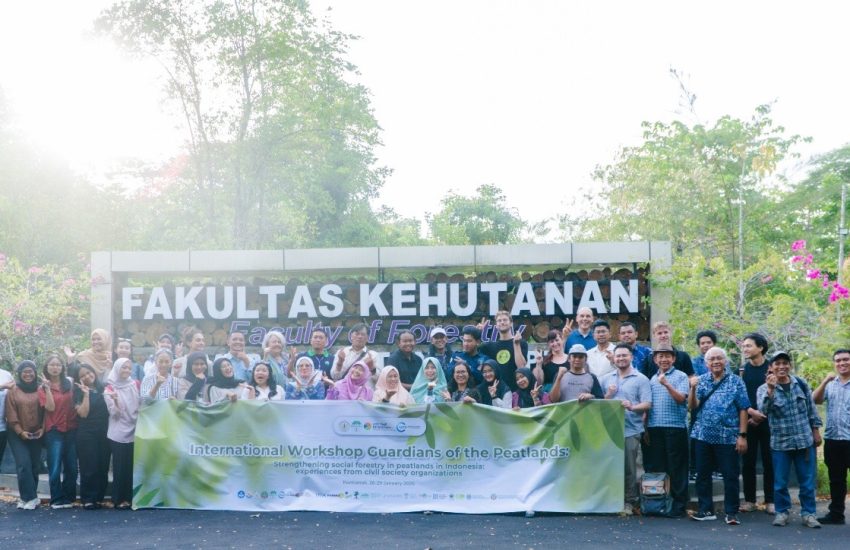
Header photo: participants workshop © IUCN NL
Indonesia holds more than 200,000 km² of peatlands, making it home to one of the world’s largest and most ecologically significant peat ecosystems. These landscapes support rural livelihoods, safeguard biodiversity, regulate water systems, and store vast amounts of carbon. Yet they remain under severe pressure. Drainage, deforestation and land‑use conflicts have led to recurring fires, and the rapid loss of ecosystem services that millions depend on.
Over the past decade, the Government of Indonesia has sought to address these challenges through its Social Forestry Program, designed to secure community tenure, strengthen local stewardship, and reduce rural poverty. Civil society organizations (CSOs) have played a crucial role in supporting communities to navigate this complex transition. But despite many promising initiatives, progress remains uneven, and the realities on the ground reveal persistent barriers to effective peatland governance.
This new report, Strengthening Social Forestry in Peatlands in Indonesia: Experiences from Civil Society Organizations, brings together insights from practitioners, researchers and government representatives to identify what is working, what is not, and what is urgently needed to accelerate community‑based peatland protection and restoration.
Participants in the workshop reflected on the current status of social forestry in peatland areas, drawing lessons from a decade of civil society engagement and examining the persistent governance and tenure challenges that continue to shape community-based peatland management. They also explored the opportunities that social forestry offers for biodiversity conservation and climate mitigation, while highlighting the need for stronger strategies to reinforce community institutions and develop sustainable livelihood models.
We thank everyone who made the time to participate in the workshop and share their knowledge and experiences.
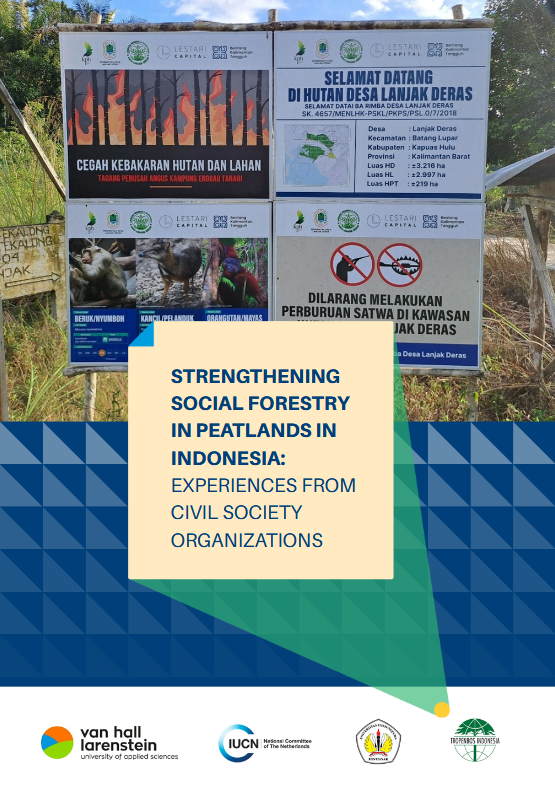
The report is an output of the Strengthening Community-Based Peat Forest Management in Indonesia (COMPEAT) project. The project is a joint effort of Universitas Tanjungpura, Tropenbos Indonesia, The Netherlands Committee of IUCN and three universities of applied sciences in the Netherlands: Aeres, InHolland and Van Hall Larenstein. The COMPEAT project is funded by the Taskforce for Applied Research SIA through the thematic program applied knowledge for Food and Green. COMPEAT explores innovative approaches to support Indigenous Peoples and local communities in managing peat forests sustainably.



23 October, 2026
Nature’s Heartbeat protects Key Biodiversity Areas through trust-based, locally led nature conservation. Building on a successful first year with numerous…

22 October, 2026
October 21st, COP17 Yerevan - Monitte Lantas, is presented the winner of the 2026 Irene Dankelman Young Ecofeminist Award, recognising…