IUCN NL at COP17 in Yerevan: locally led…
12 October, 2026
IUCN NL at COP17 in Yerevan: locally led…
12 October, 2026
BESTLIFE2030 launches its third call for proposals
08 October, 2026
Tuesday 16 june 2026
Wetlands are biodiversity hotspots that support 40% of global species, store huge amounts of carbon, and are essential for water security, regulating flows, filtering pollution, and reducing flood and drought risks. They are among Europe’s most crucial ecosystems, but also heavily degraded. This REWET policy brief sets out the business case for rewetting in Europe, demonstrating how restoring wetlands generates long-term economic, environmental, and social returns.
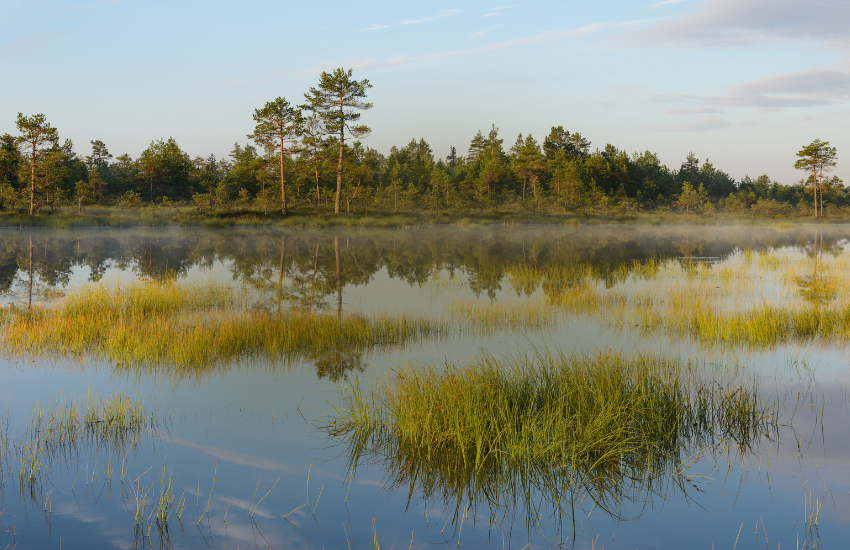
Headerphoto: Bog lanscape in Estonia © Urmas83 from Getty Images
Europe has lost around 80% of its wetlands in the last century, largely due to drainage, peat extraction, and infrastructure development. The longer we wait with restoring degraded wetlands, the higher the costs become. The costs of inaction increase constantly, as ecosystems deteriorate and restoration becomes more complex.
Short-term gains from continued wetland degradation translate into long-term costs. In contrast, early investment reduces liabilities and generates returns.
Opportunities exist to accelerate wetland restoration. Targeted measures can improve the economic viability of rewetting.
Wetland restoration is an economic and policy imperative for Europe. Continued degradation increases public liabilities and risks, while rewetting reduces costs and generates long-term returns. These returns benefit both climate, water, and biodiversity as well as the economy and society as a whole.
REWET is a laboratory for the restoration of wetlands on a European scale. In the REWET project, funded by the European Union, NGOs, universities, companies and institutions joined forces to study the full potential of wetland areas. With information from seven open laboratories, we are developing a comprehensive understanding of how European wetlands can best contribute to climate mitigation and adaptation.





12 October, 2026
From 19 to 30 October 2026, the UN Biodiversity Conference (CBD COP17) takes place in Yerevan, Armenia, under the theme…
08 October, 2026
We are pleased to announce that the third BESTLIFE2030 call for proposals is now open, providing new funding for locally…