A landscape approach to ensure functioning ecosystems

Critical minerals and the western chimpanzee: how bauxite…
24 March, 2026
Thursday 28 february 2019
Natural ecosystems provide habitat for wildlife species as well as important services for people, such as water supply and climate resilience. In the last decades, unsustainable production and the effects of climate change are putting increasing pressure on these ecosystems (Millennium Ecosystem Assessment, 2005). To keep these natural ecosystems functioning, we need to strike a balance between economic, environmental and social interests in a specific spatial setting. In our program ‘Shared Resources Joint Solutions’ we aim for an integrated landscape approach to strengthen ecosystem governance in 26 landscapes in Asia, Africa and Latin America.
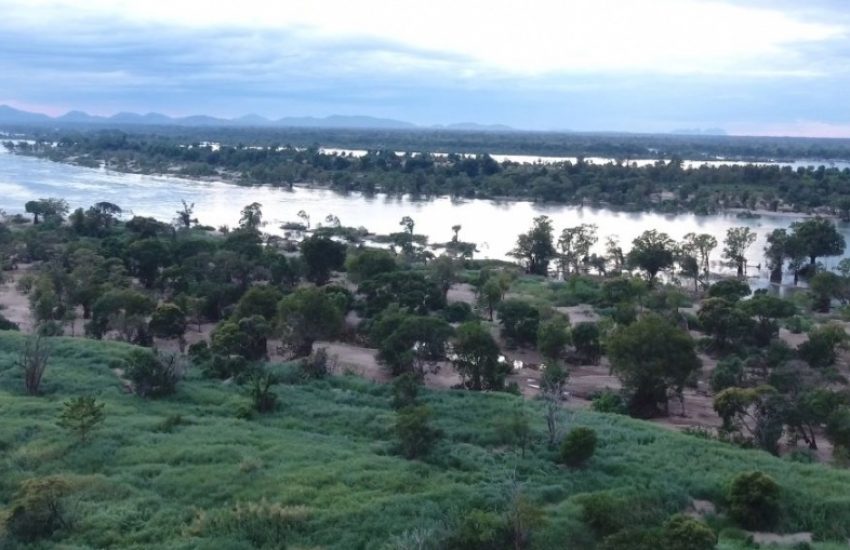
Header photo: Mekong landscape in Cambodia © NTFP-EP cambodia Socheat Kuoy
Healthy ecosystems serve all kinds of stakeholders. “For instance, water provisioning and fertile soil for food production are of paramount importance to local communities, while ecosystem services like CO2 sequestration are valued at the global level,” says Lucia Helsloot, Program Manager at WWF Netherlands. “A core challenge is to identify ways to balance the interests of (and within) local communities with local and national economies, and the global environment.”
Aligning interests with an integrated landscape approach
Businesses, government bodies and residents each have a stake in a landscape. “While from a long-term perspective most stakeholders involved in a landscape need healthy and well-managed ecosystems that deliver fresh water, food security, and climate resilience, the short-term interests in the landscape often conflict,” says Sander van Andel, senior expert Nature Conservation and program manager at IUCN NL.
To keep ecosystems healthy, we need to strike a balance between economic, environmental and social values. In a strategic partnership with the Netherlands Ministry of Foreign Affairs, IUCN NL and WWF Netherlands, therefore support their partners to collaborate and bring various stakeholders together in 26 landscapes in Asia, Africa and Latin America to take joint responsibility over sustainable, social and economic development. This way we aim to contribute to the Sustainable Development Goals.
Learn more?


27 March, 2026
Engaging Stakeholders to Advance Ecosystem-based Adaptation in Mauritius
Madagascar and the Indian ocean islands are a biodiversity hotspot - a group of islands with incredible species diversity and…
24 March, 2026
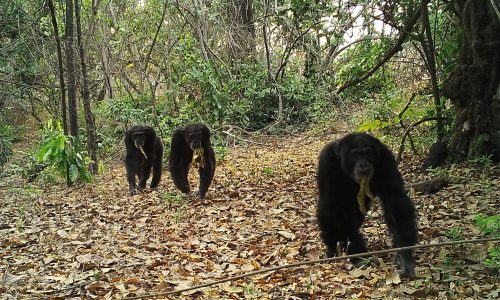
Critical minerals and the western chimpanzee: how bauxite mining threatens one of West Africa’s last strongholds
In West Africa, the global scramble for critical minerals’ is putting immense pressure on unique ecosystems. As the demand for…