IUCN NL and its local partners call for solidarity with Virunga Park rangers after devastating attack

Critical minerals and the western chimpanzee: how bauxite…
24 March, 2026
Tuesday 28 april 2020
Last Friday, twelve Virunga Park rangers and their driver, as well as 4 civilians, lost their lives as a result of an attack by armed groups. IUCN NL and its local partners are devastated by this news and call for national and international solidarity with the Virunga Park Rangers.
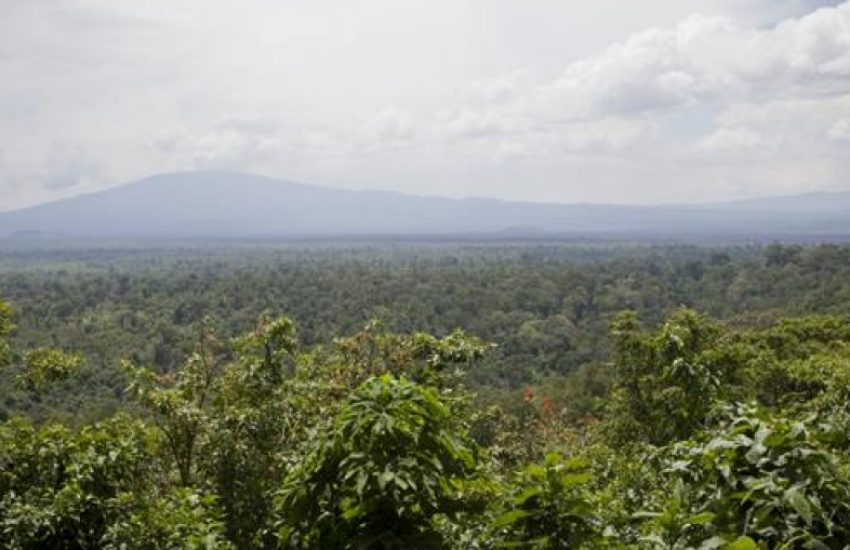
Header photo: Virunga National Park Jan Joseph Stock
Initial investigations by the park authority ICCN indicate that the rangers were on their way back to their headquarters when they encountered a civilian vehicle that had been attacked and subsequently came under a violent and sustained ambush. The park says members of an armed rebel group called the Democratic Forces for the Liberation of Rwanda (FDLR-FOCA) are responsible for the attack.
Endangered world heritage
Virunga National Park, in the eastern Democratic Republic of Congo (DRC), is home to many rare, endemic and endangered species, such as mountain gorillas, elephants, hippos and chimpanzees. However, in 1994 the park entered the list of endangered world heritage because of poaching, deforestation and illegal fishing, mostly practiced by armed rebel groups.
Solidarity with rangers
Together with our local partner organizations in DRC, IUCN NL calls for national and international solidarity with the Virunga rangers. The Park is collecting donations to help with the funerals of the fallen rangers as well as to assist the families they leave behind in the Fallen Rangers Fund. IUCN NL has made a donation towards this fund, also on behalf of our local partners.
Fighting impunity
Although this attack has been the deadliest in the park’s recent history, it is certainly not the first. The Virunga Rangers risk their lives on a daily basis to protect the park from poaching, deforestation and illegal fishing. However, even if these crimes are recognized by the judiciary, no single appeal or investigation has resulted in the arrest and conviction of anyone. We are fighting this impunity together with our local partner organizations. We will put effort towards pushing for an official investigation of the attack by the local authorities and will continue to support the ICCN in the important work they do.
Support national parks in difficult times
This tragic news comes during one of the most difficult times for national parks in Africa, which are all confronted with the impacts of COVID-19. Many of them have had to close to protect their wildlife and employees, and their income from tourists has stalled. As a result, in two months most of them will no longer be able to pay their rangers and patrols. Therefore, it is vital that they receive our continued attention and support.
Learn more?



27 March, 2026
Engaging Stakeholders to Advance Ecosystem-based Adaptation in Mauritius
Madagascar and the Indian ocean islands are a biodiversity hotspot - a group of islands with incredible species diversity and…
24 March, 2026
Critical minerals and the western chimpanzee: how bauxite mining threatens one of West Africa’s last strongholds
In West Africa, the global scramble for critical minerals’ is putting immense pressure on unique ecosystems. As the demand for…