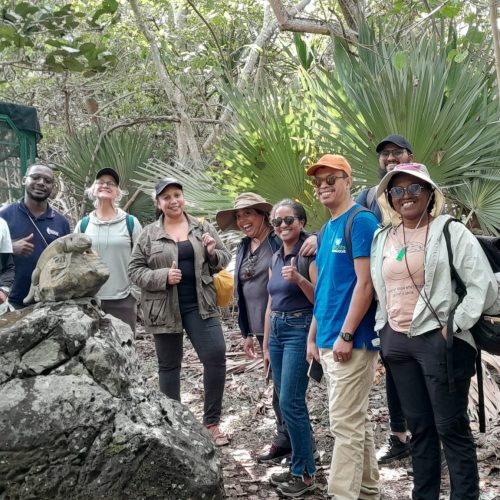
Investing in the next generation of conservationists
24 September, 2026
Investing in the next generation of conservationists
24 September, 2026
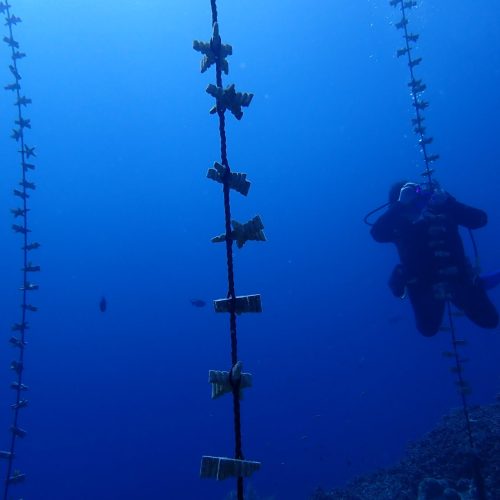
Growing corals is only half the work
23 September, 2026
Monday 21 july 2025
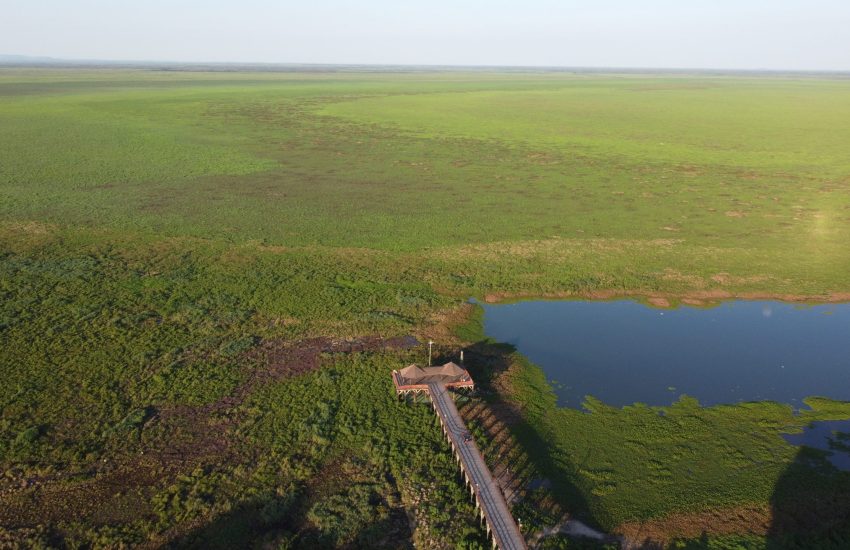
Puerto Suarez is a small town that is located on the shore of laguna Cáceres, but nowadays its pier overlooks a green landscape where only vegetation, and some water puddles remain. Founded in 1875, the town once held strategic importance for transportation due to its location on the Brazilian border and its access to the Paraguay-Parana waterway. However, July 2019 was the last time that the laguna was filled with sufficient water for transportation.
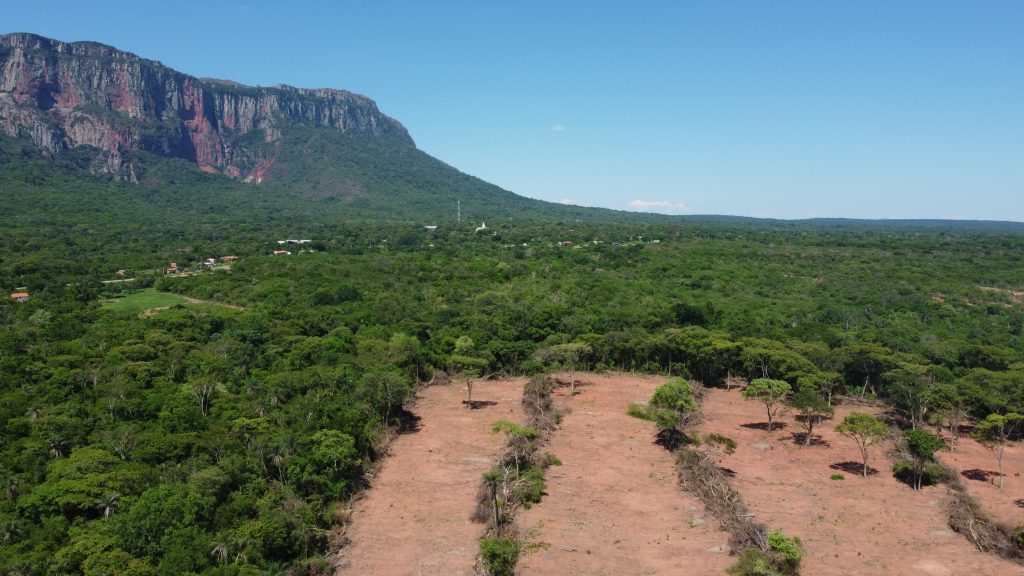
In this photo essay, with photos by Bolivian photographer Manuel Seoane, we dive into the story of how a combination of deforestation drivers influence the ecosystem and livelihoods of local communities.
Header photo: Laguna Cáceres in November 2024, Puerto Suárez, Bolivia © Manuel Seoane / IUCN NL
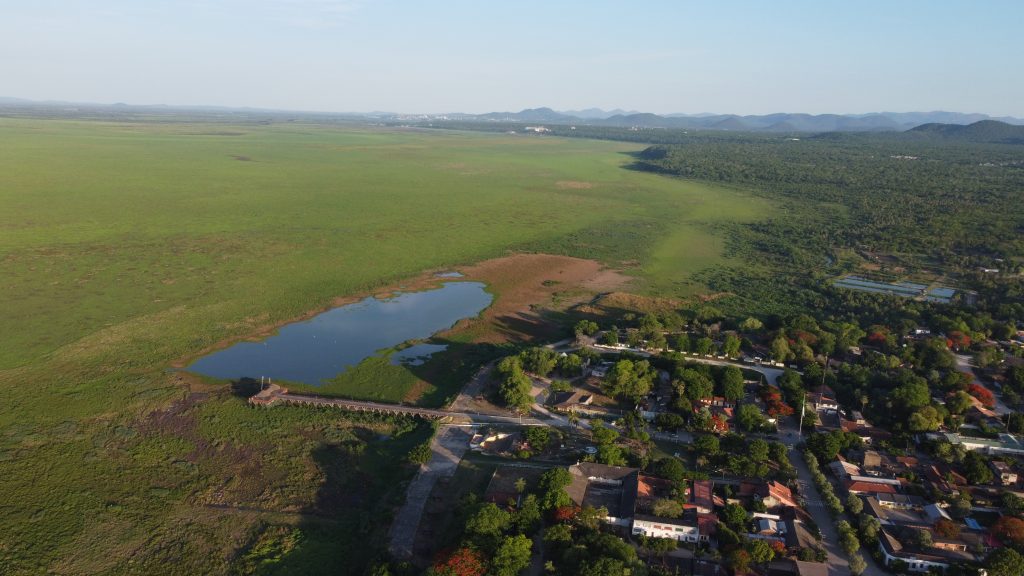
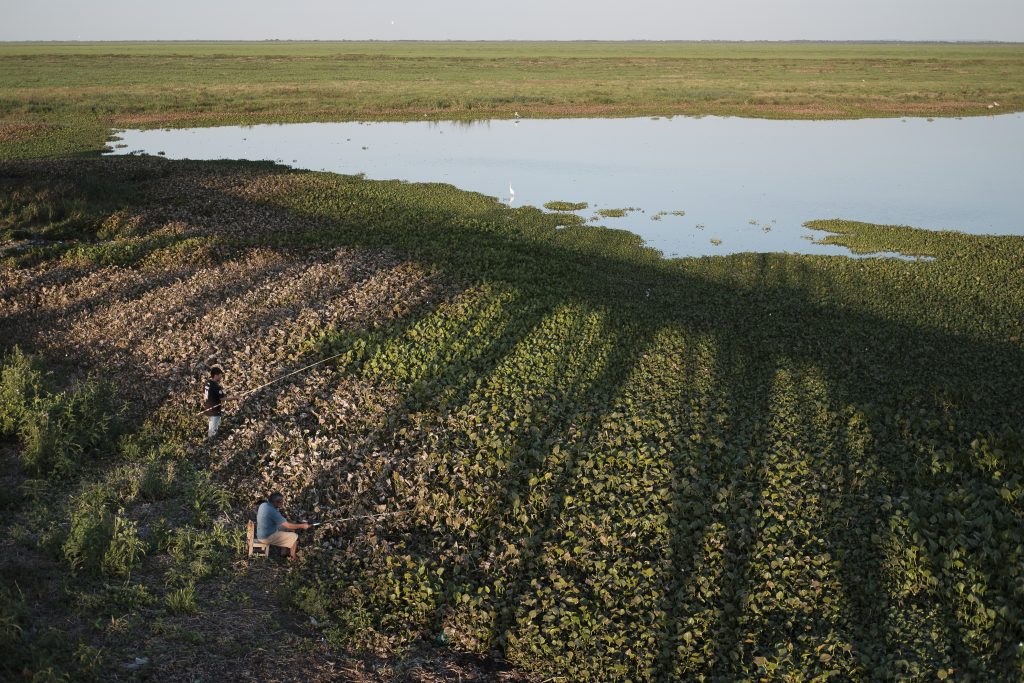
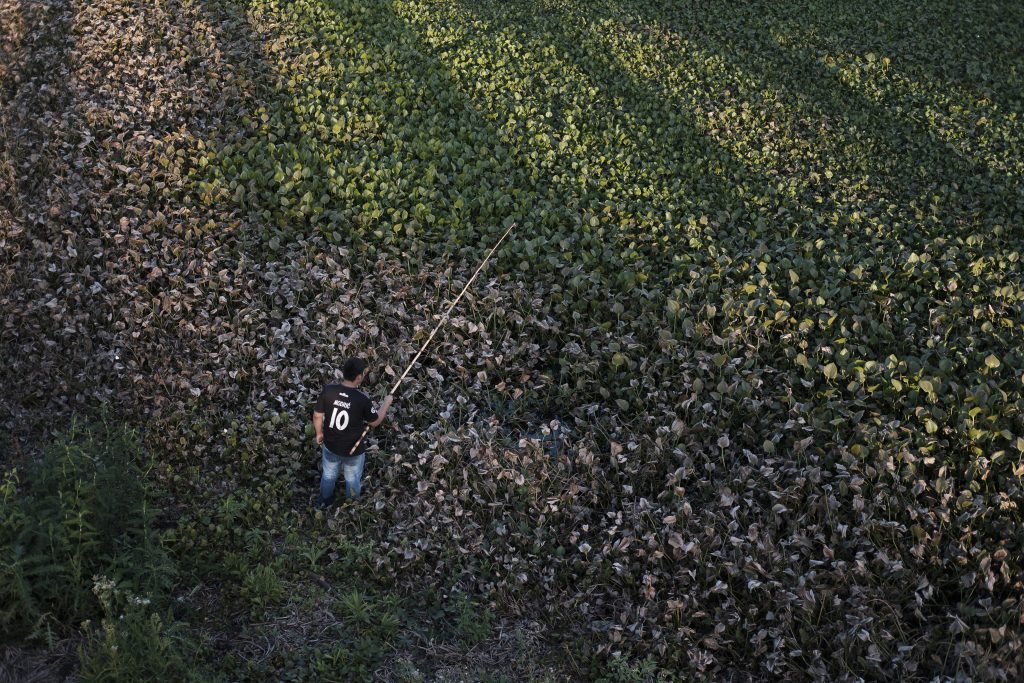
Even though the Chiquitano dry forest is adapted to a long dry season and a wet season – the lake also naturally shrinks and goes back to its size through the seasons – the actual current lagoon volume in wet and dry season is significantly lower than normal levels. More intense droughts and fires disrupt the balance in the system, impacting the natural regeneration of the forest and the lives of the local communities. The main driver of these intense droughts is deforestation, driven by intensive agriculture (mainly soy, maize, and cattle) and wildfires.
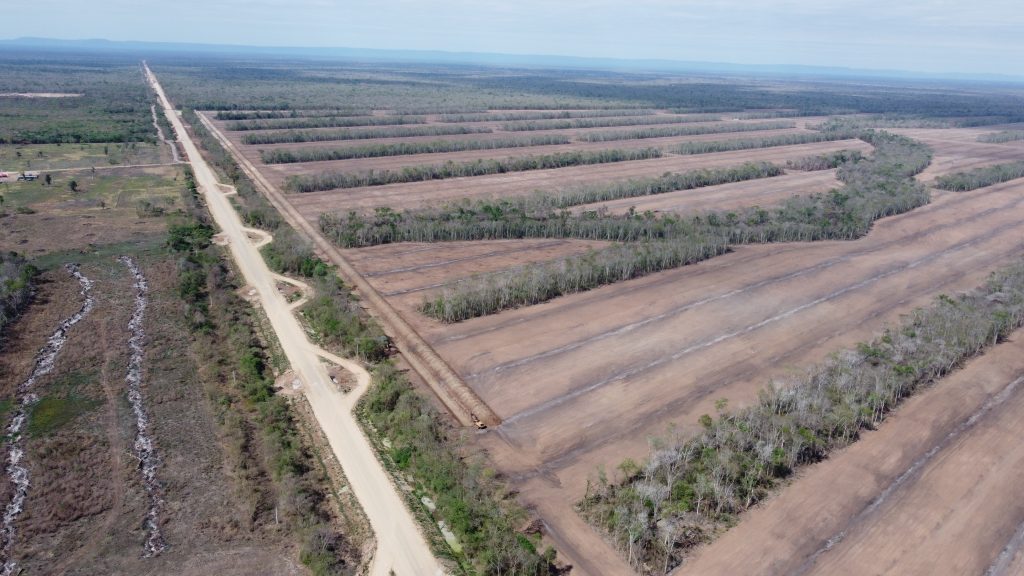
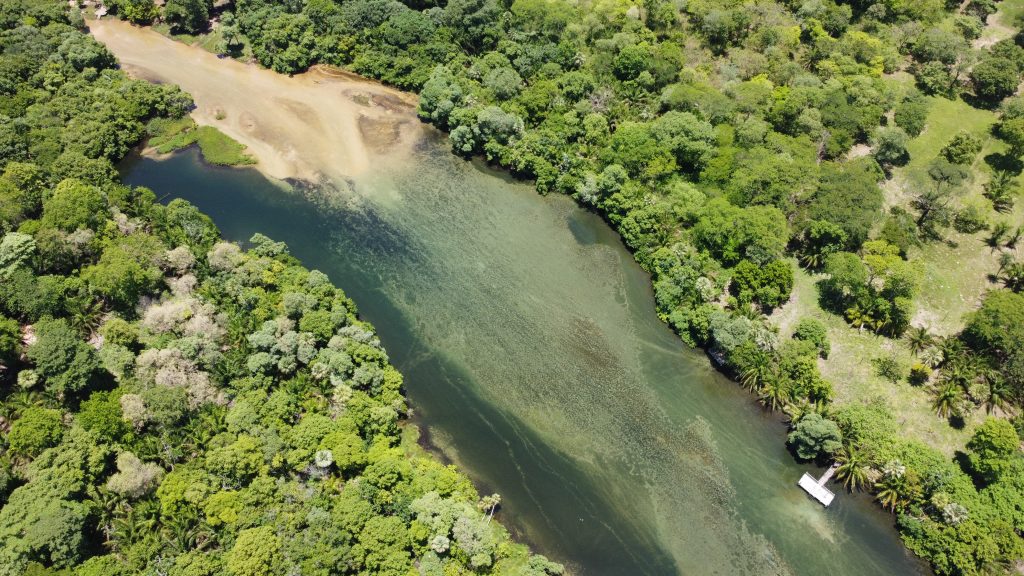
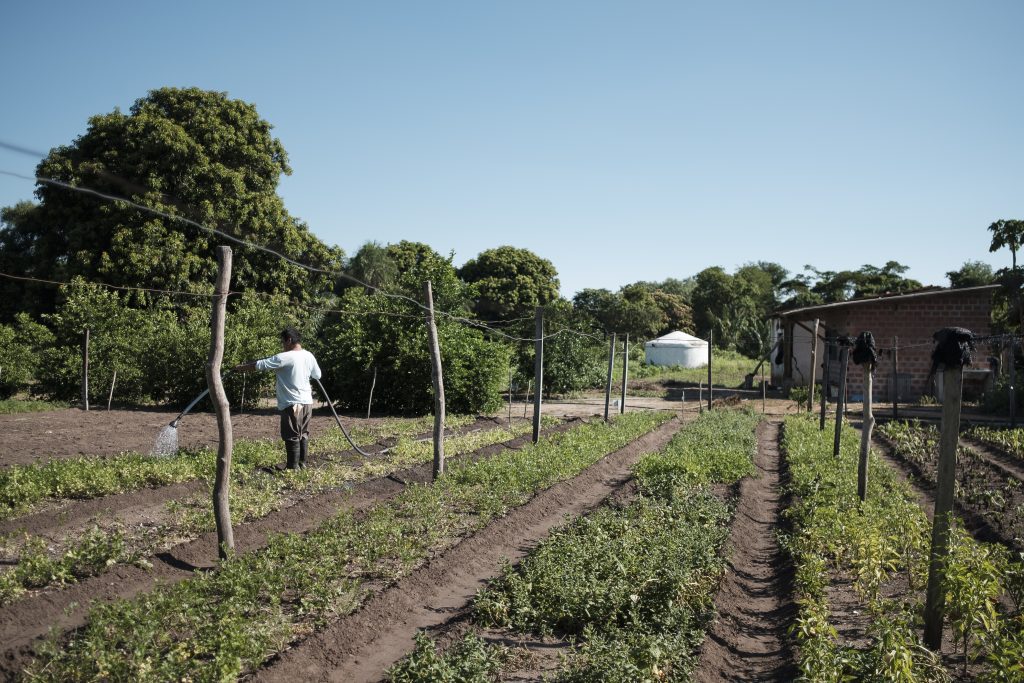
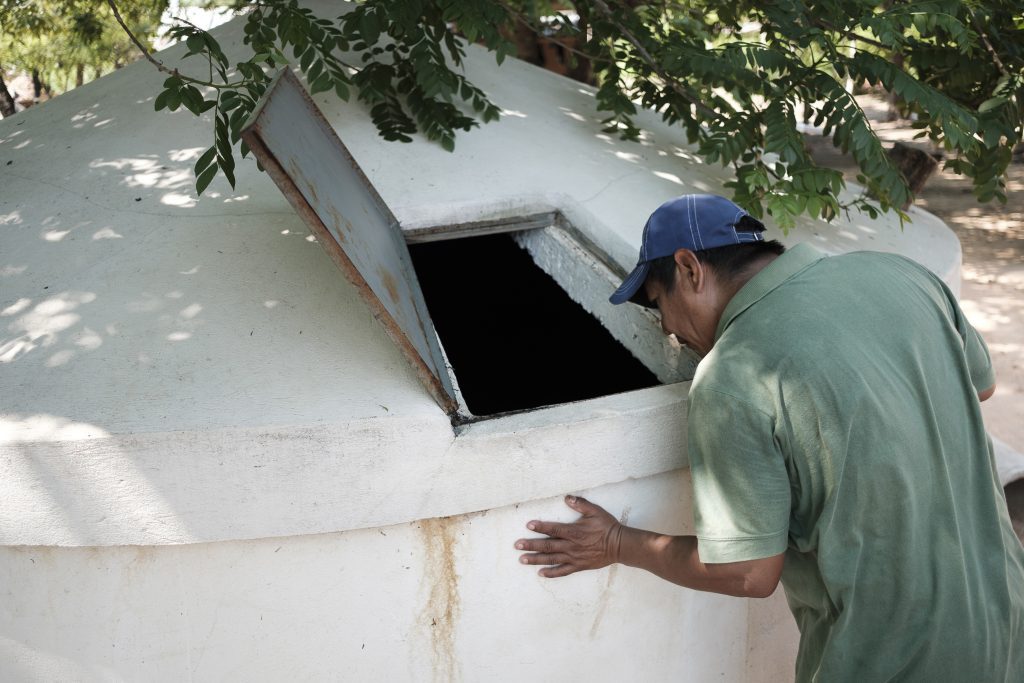
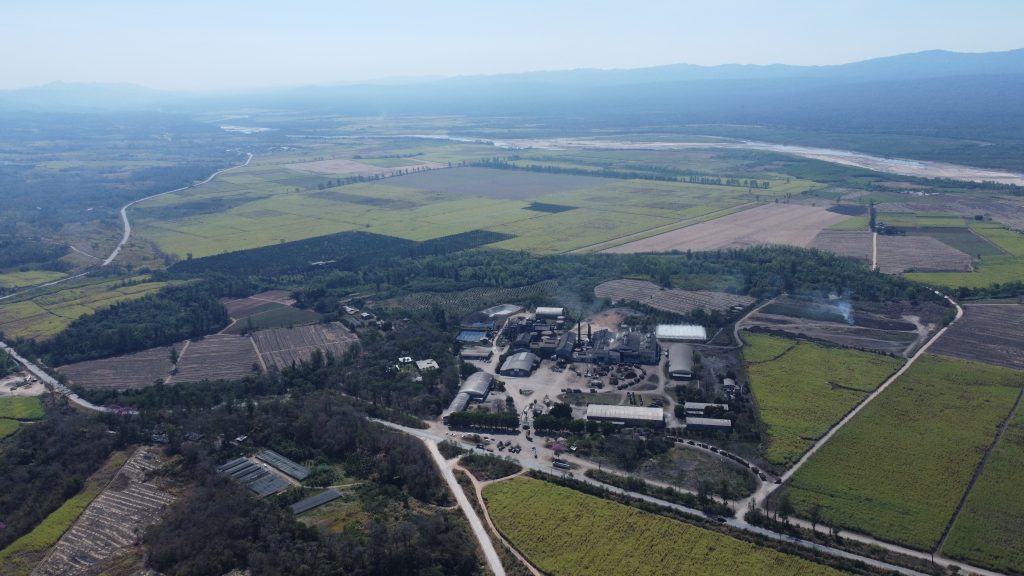
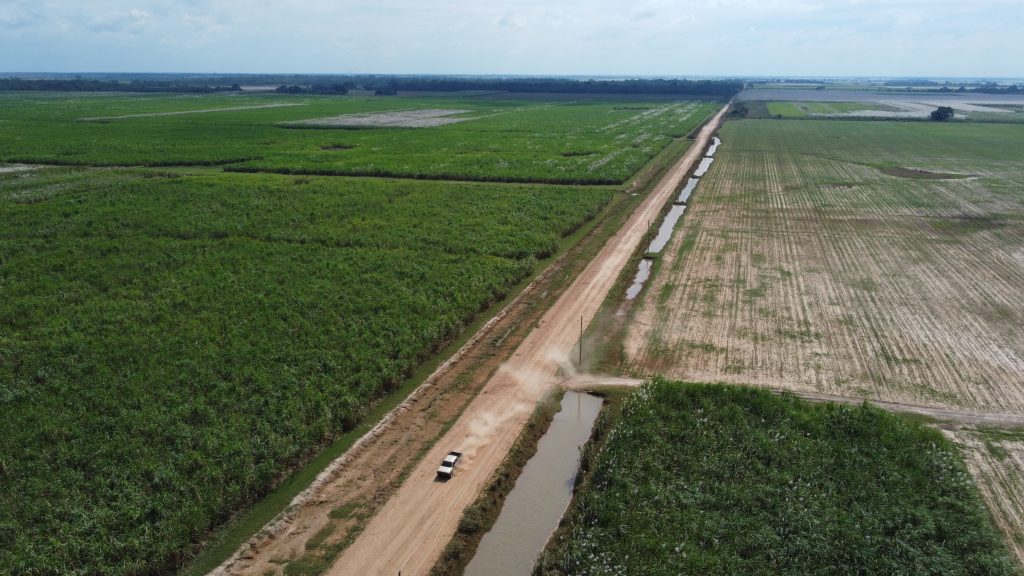
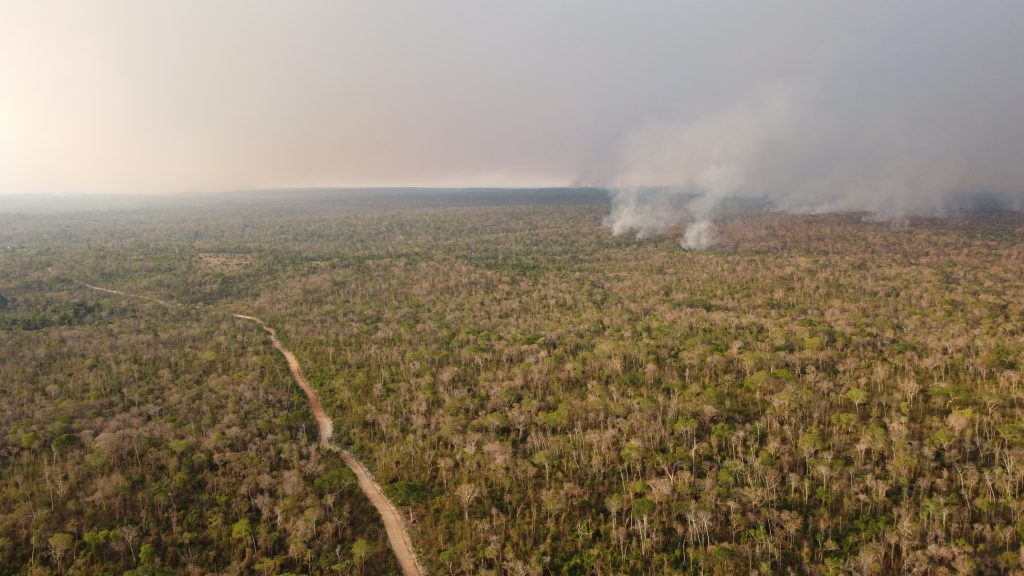
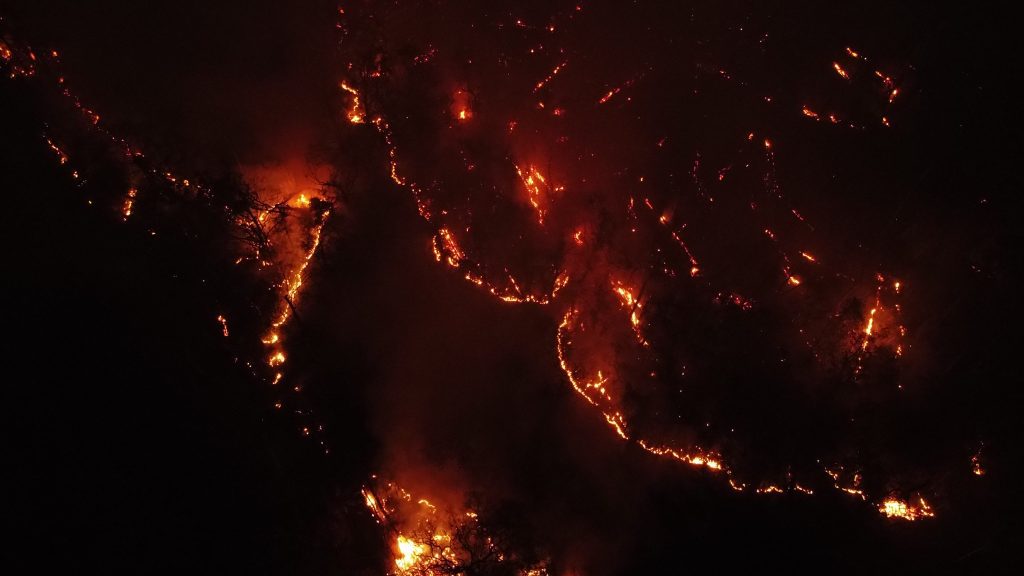
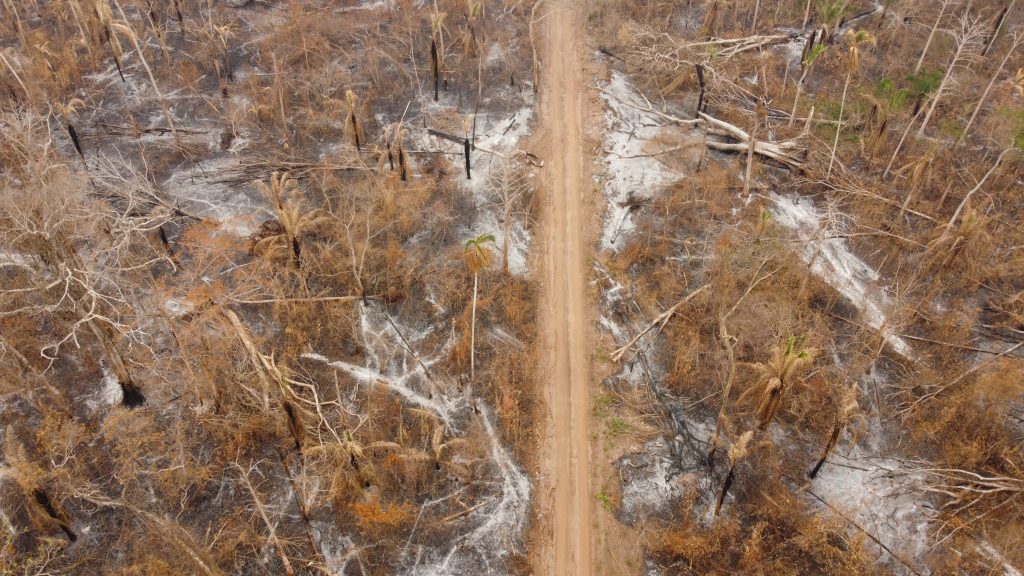
Laguna Cáceres is economically important for the communities in Bolivia, primarily due to its role in transportation, which was possible until 2019. The limited access to exporting goods impacts people most affected by poverty, as they can no longer sell their goods. They cannot afford planes or expensive travel routes, like big companies do. They are also forced to buy water, as there is no longer a reliable water source and they must harvest rainwater in tanks. However, harvesting rainwater in tanks is also limited by the shorter rainy season.
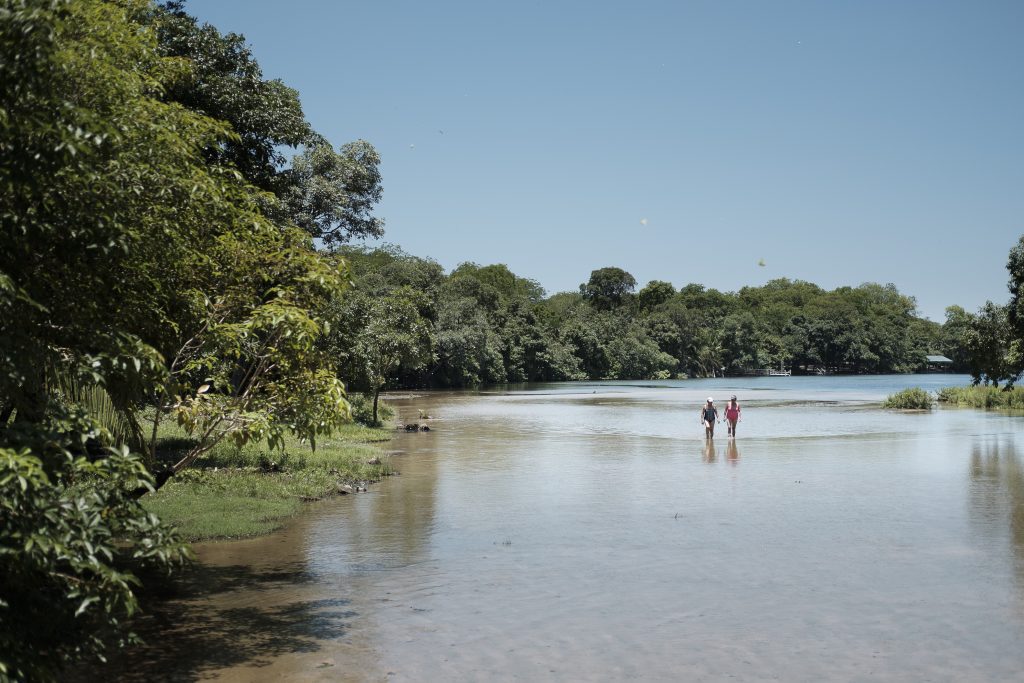
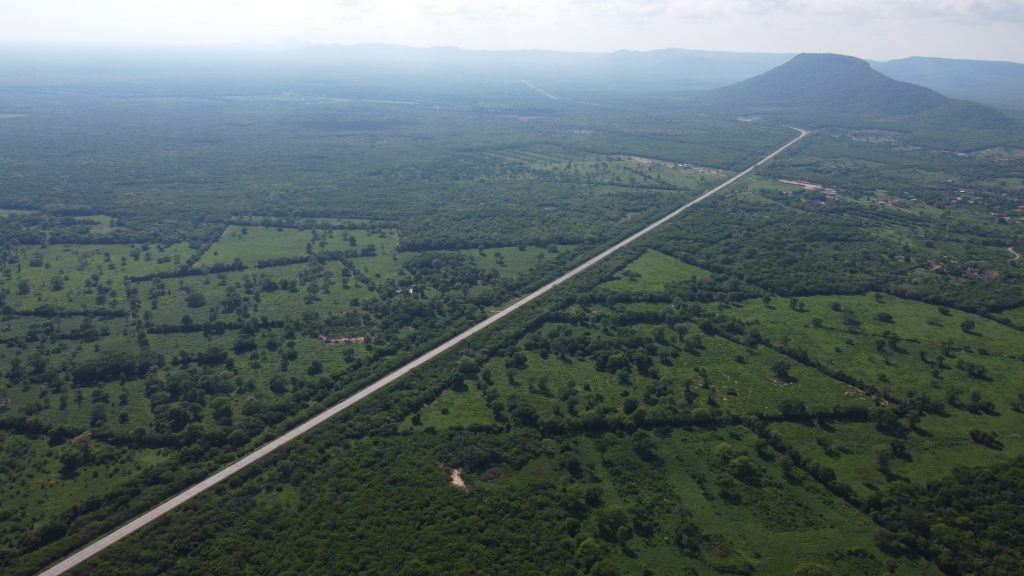
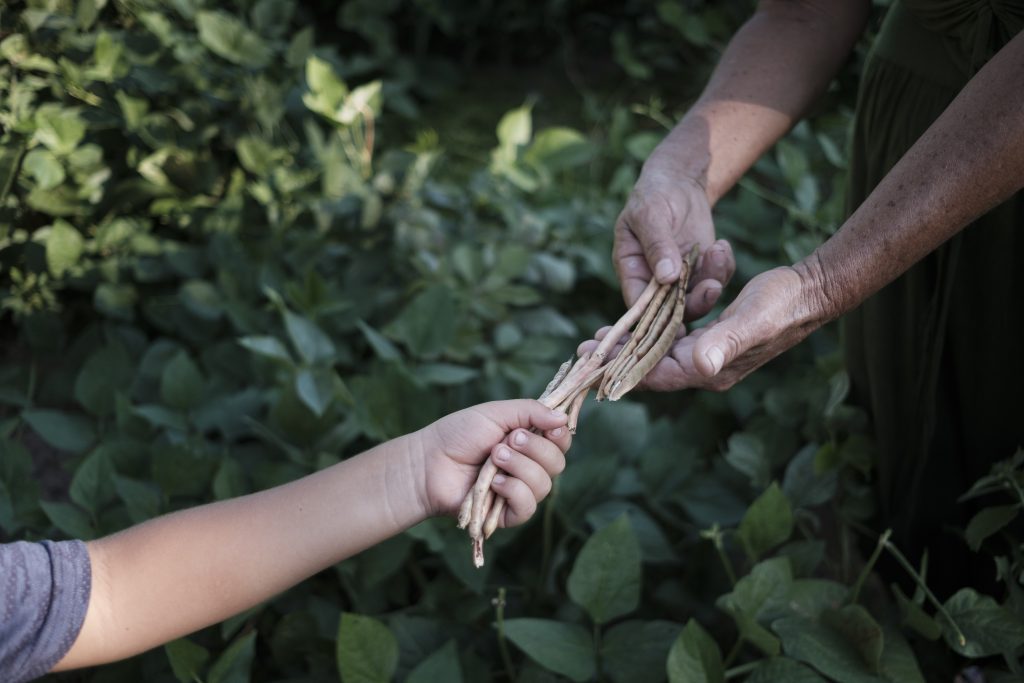
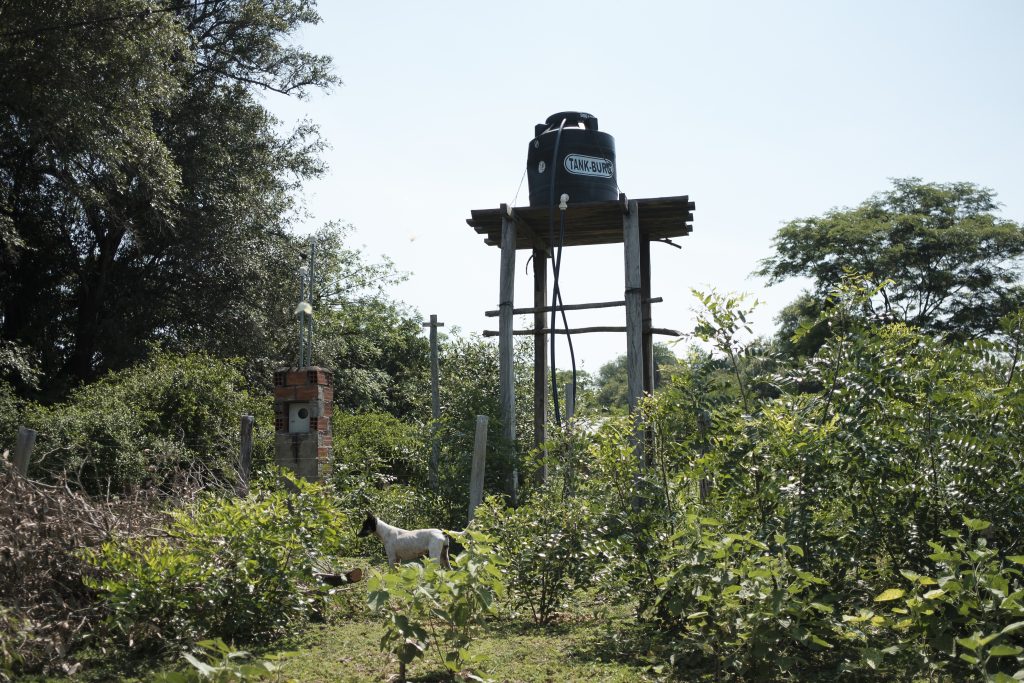
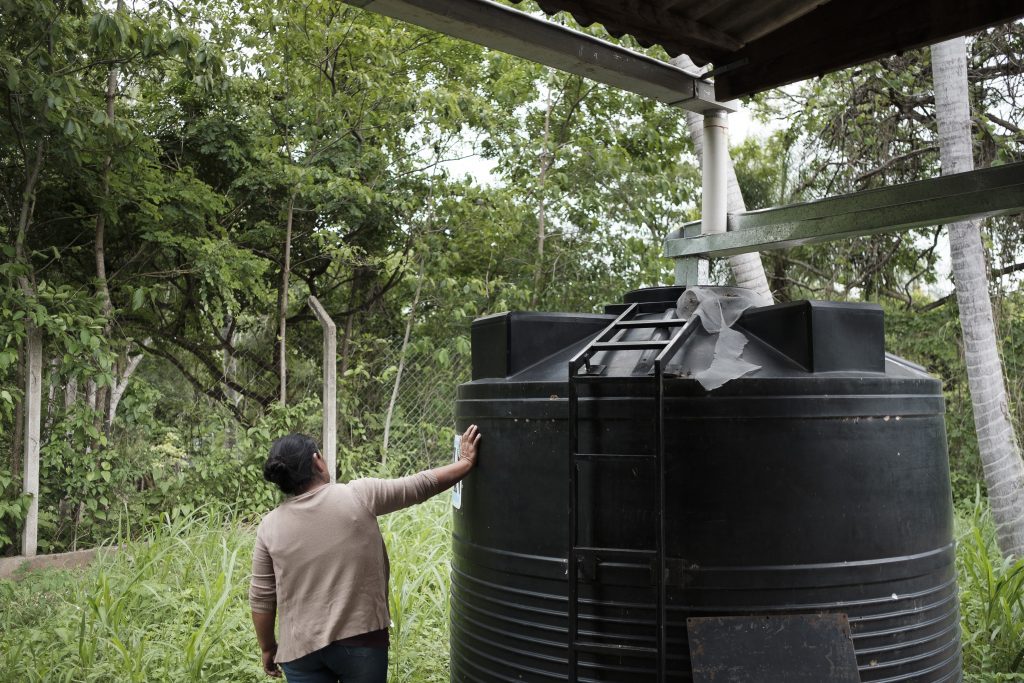
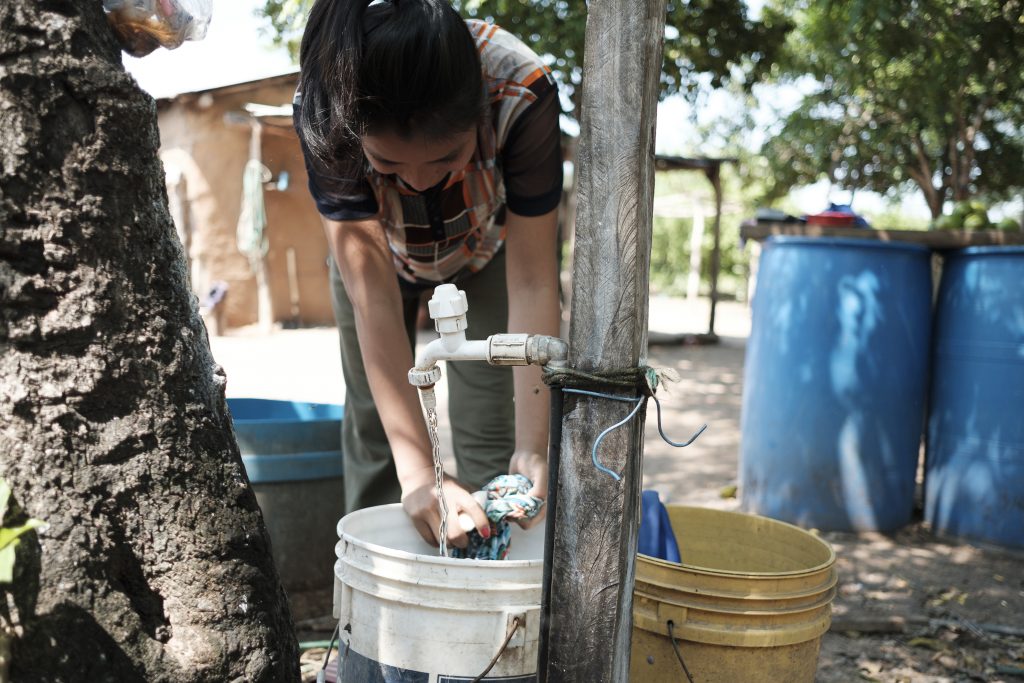
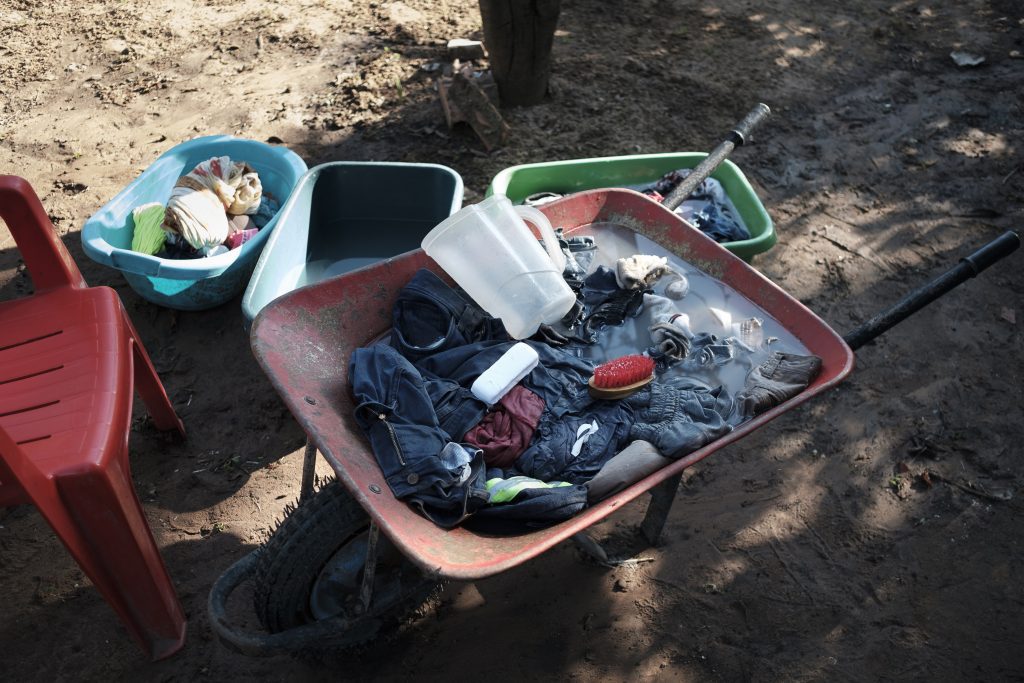
Water is both essential and scarce in dry ecosystems such as the Chiquitano dry forest. In these dry regions, a conflict of use arises when agriculture, local communities, and natural ecosystems all depend on the same limited water resources. As agricultural activity expands, particularly through intensive agricultural and industrial practices, the demand for water increases significantly. This overuse disrupts the delicate water balance of the entire ecosystem. As a consequence, Laguna Cáceres is now experiencing more extreme droughts than ever before. Local communities are directly affected, as they can no longer rely on the lagoon for navigation.
IUCN NL actively works in Bolivia with various projects, like Ñembi Guasu, where we support the Autonomous Indigenous Charagua government in conserving the Ñembi Guasu Indigenous Conservation Area with local partner Fundación NATIVA. We also work on supporting small community organisations with Strengthen the roots, in collaboration with Wilde Ganzen, and contribute to more sustainable and inclusive governance of tropical rainforests through the Forest for a Just Future programme by the Green Livelihoods.


24 September, 2026
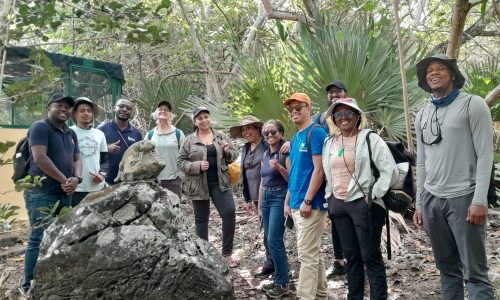
Madagascar and the Indian ocean islands are a biodiversity hotspot - a group of islands with incredible species diversity and…
23 September, 2026
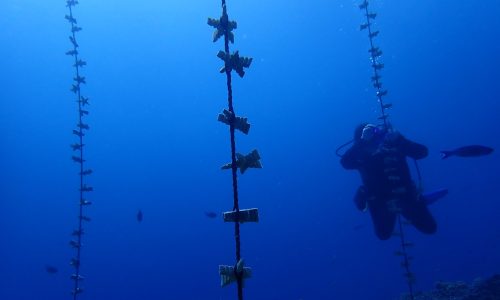
With new support from BESTLIFE2030, marine biologist Kelly Latijnhouwers and her foundation REACT are realizing an idea on Curaçao: the…
