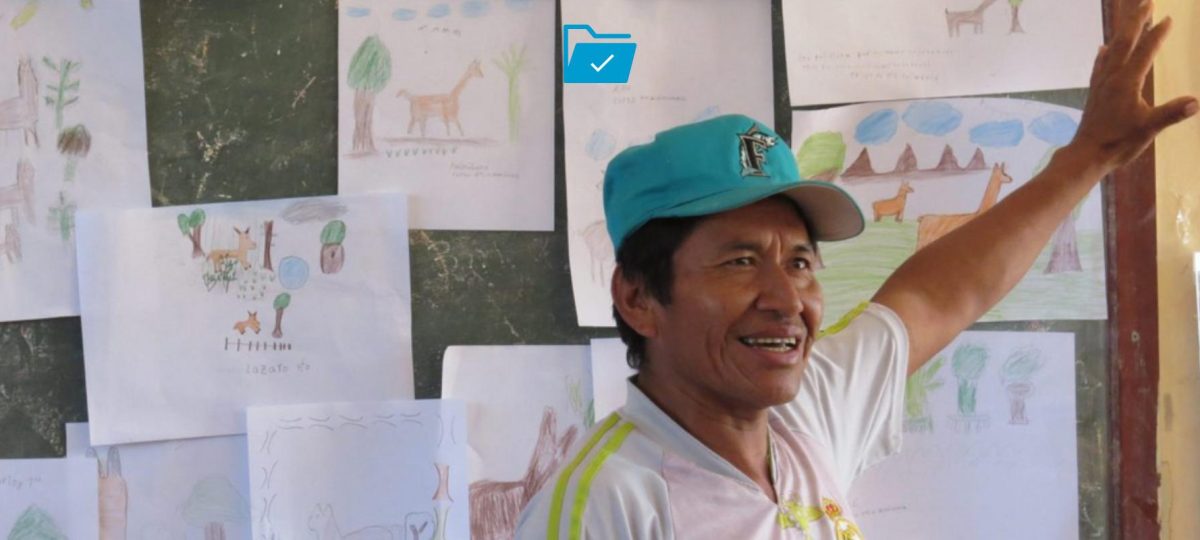
Headerphoto by Natura Bolivia
Local and Indigenous communities often depend directly on the landscape in which they live for their food, water and cultural well-being. For many generations, they have been guardians of the landscape because of their strong connection to nature and a deep knowledge of how to preserve their environment. But the protection of nature is increasingly under pressure from government, business, and people in their own communities. This leads to the loss of nature, crumbling of traditional governance systems, and overexploitation of natural resources on their land.
Difficult conditions for local wildlife organisations
People who want to counteract the loss of their land and overexploitation of nature and natural resources often unite in small community organisations. They work and live in beautiful landscapes with lots of nature, but under challenging circumstances. Their rights are often not recognised and their knowledge not valued. This lack of recognition is reinforced by their limited access to funds and limited visibility on a national and international level.
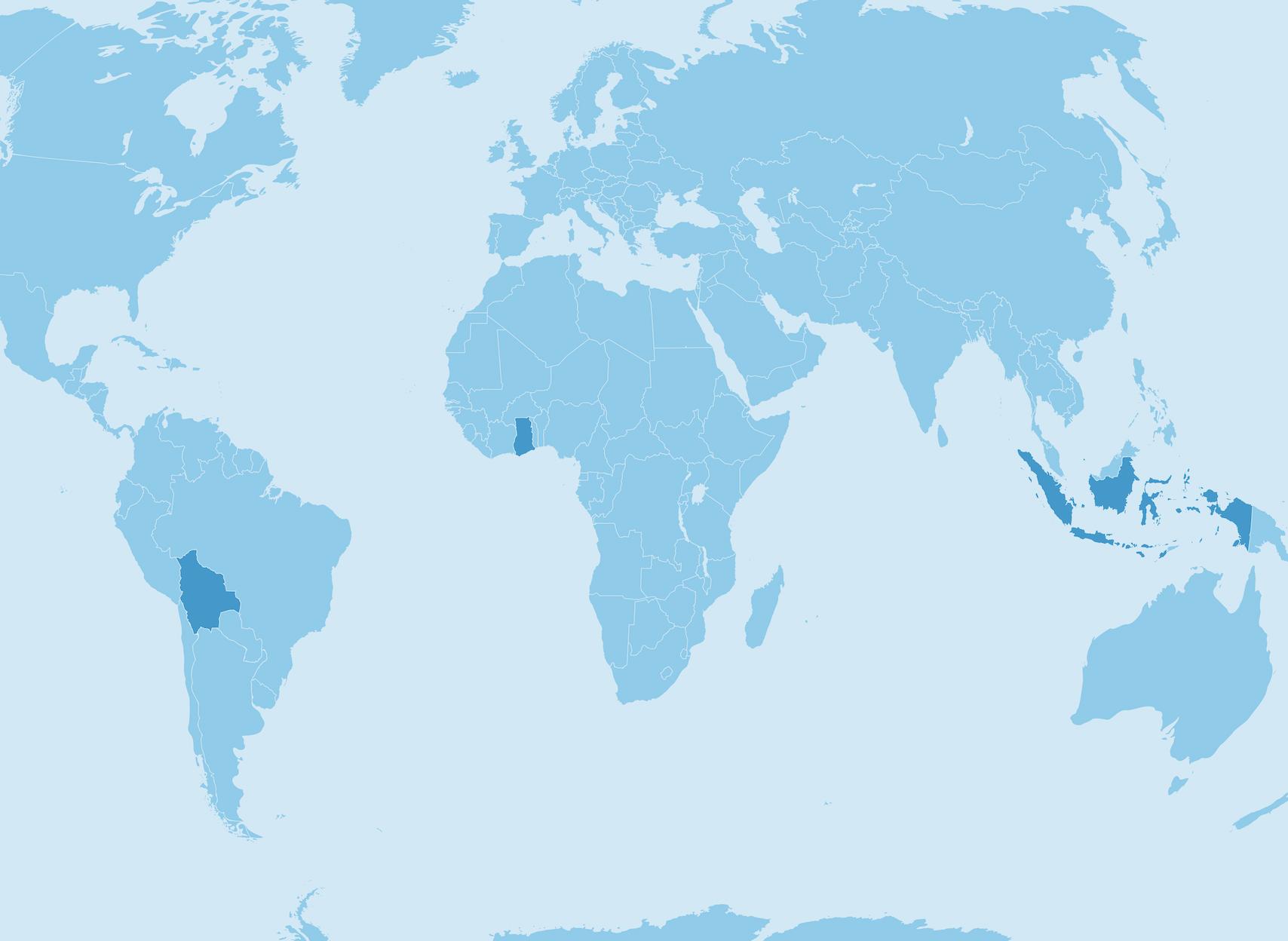
Together with Wilde Ganzen, we committed to strengthening these organisations so that they can mobilise support for their work. To strengthen their networks, these small organisations were put in touch with large conservation organisations. With the help of our local partners, WACSI, A Rocha Ghana, WARSI, and Natura Bolivia, we organised training courses that teach conservationists how to raise funds locally and how to stand up for their rights. The money raised by these organisations in their own communities was channeled through the project. In this way, projects can be set up that protect nature and provide people with an income, for example with locally produced products.
‘Social forest management offers Indonesians who depend on forests for their livelihood the opportunity to manage those forests. However, the process of getting a permit for this is very complicated and bureaucratic. Without support from organisations like WARSI, it is difficult for local communities to get such a permit. For a long time we therefore helped them with the permit applications.
Rudi Syaf, director of the Indonesian NGO WARSI during the projectHowever, we realized that we needed to put more emphasis on empowering these communities so that they could generate their resources independently and achieve their ambitions. Therefore, we now train them in the processing and sale of products such as fruits, spices and rattan, have developed micro-hydropower plants to generate electricity, and started working on ecotourism.’
Strong organisations became drivers of change
The goal was to empower around 30 organisations in six unique landscapes in three countries to protect their habitats and become drivers of change. This directly or indirectly benefited approximately 1 million people living in these areas. In addition, trainings were made available free to conservationists worldwide through an online platform.
This project is funded by the

More information? Contact?