Investing in the next generation of conservationists
24 September, 2026
Investing in the next generation of conservationists
24 September, 2026
Growing corals is only half the work
23 September, 2026
Tuesday 29 september 2026
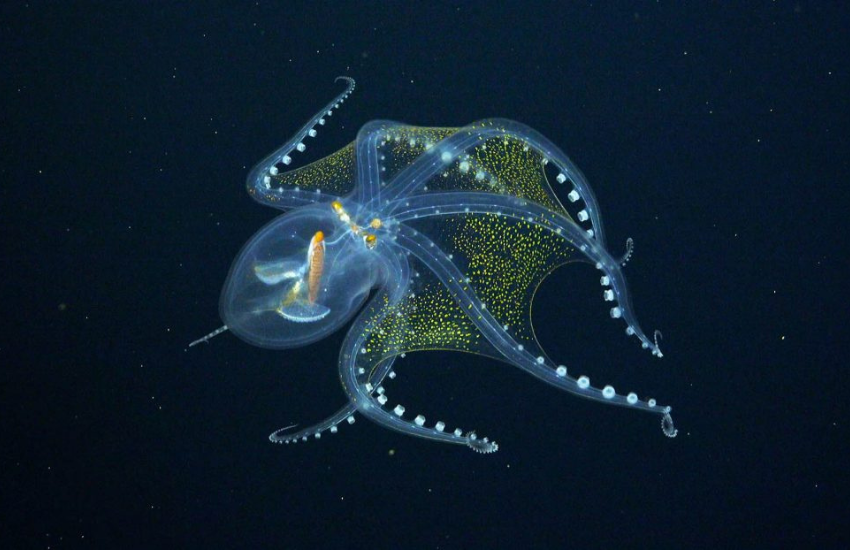
Header photo: GLASS OCTOPUS Vitrele donella richardi, Schmidt Ocean Foundation
Over the past three years, Bottom Line! worked to ensure that the energy transition does not come at the expense of people and nature. The central idea is simple: the expansion of mining must have clear environmental and social limits. Some places are too important to mine, and extraction that does take place must respect ecosystems, water, biodiversity and the rights of Indigenous peoples and local communities.
Bottom Line! partners IUCN NL, the Deep Sea Conservation Coalition (DSCC), Natuur & Milieu, EcoJustice, the Alliance for Tompotika Conservation (AlTo), A Rocha Ghana (ARG), Alyansa Tigil Mina (ATM), the Vereniging van Beleggers voor Duurzame Ontwikkeling (VBDO) and Auriga Nusantara (Indonesia) promoted a circular approach that prioritises reducing energy and raw material demand, while strengthening socially and ecologically responsible mineral governance. To that end, Bottom Line! partners:
Want to discover the story behind the programme? Watch our final Bottom Line! video, showcasing three years of action, learning and impact.
Over the final year of Bottom Line!, partners achieved important results across different countries and at international level.
Bottom Line! brought together a diverse coalition of organisations from Europe, Africa and Asia, combining community experience, biodiversity expertise, legal advocacy, investor engagement and knowledge of both land-based and deep-sea mining.
This diversity was one of the programme’s greatest strengths. Partners learned from different mining contexts and connected issues that are often addressed separately. As a consortium, we strengthened the case for an energy transition that respects and promotes planetary health: one that addresses also the environmental and social impacts of the raw materials needed to make the transition possible.
The coalition also helped bring community voices and local evidence into national and international policy debates. From mining-affected communities in Indonesia, the Philippines and Ghana to coastal communities concerned about deep-sea mining, partners supported people to better understand proposed developments, defend their rights and participate in decisions affecting their future.
The end of Bottom Line! does not mean the end of the work. Partners will continue to build on the relationships, evidence and momentum created over the past three years.
For IUCN NL, this means continuing to connect biodiversity protection, human rights and the energy transition. We will work with communities and civil society to strengthen responsible mineral governance, support protection of critical ecosystems on land and at sea, promote stronger environmental and social standards, and advance circular solutions that reduce pressure on nature.
We are proud of what the Bottom Line! partnership has achieved and of the stronger collective voice it has helped create for a transition that is genuinely fair and sustainable.
Bottom Line! ran from April 2023 to March 2026 and was supported by the Postcode Lottery.



24 September, 2026
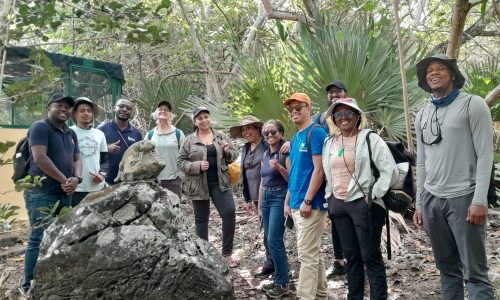
Madagascar and the Indian ocean islands are a biodiversity hotspot - a group of islands with incredible species diversity and…
23 September, 2026
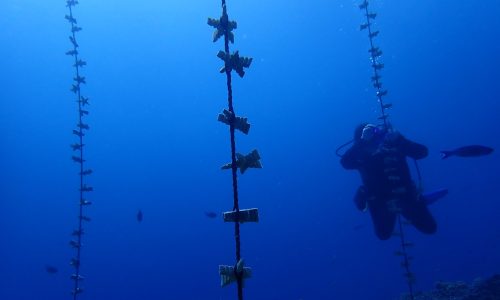
With new support from BESTLIFE2030, marine biologist Kelly Latijnhouwers and her foundation REACT are realizing an idea on Curaçao: the…
