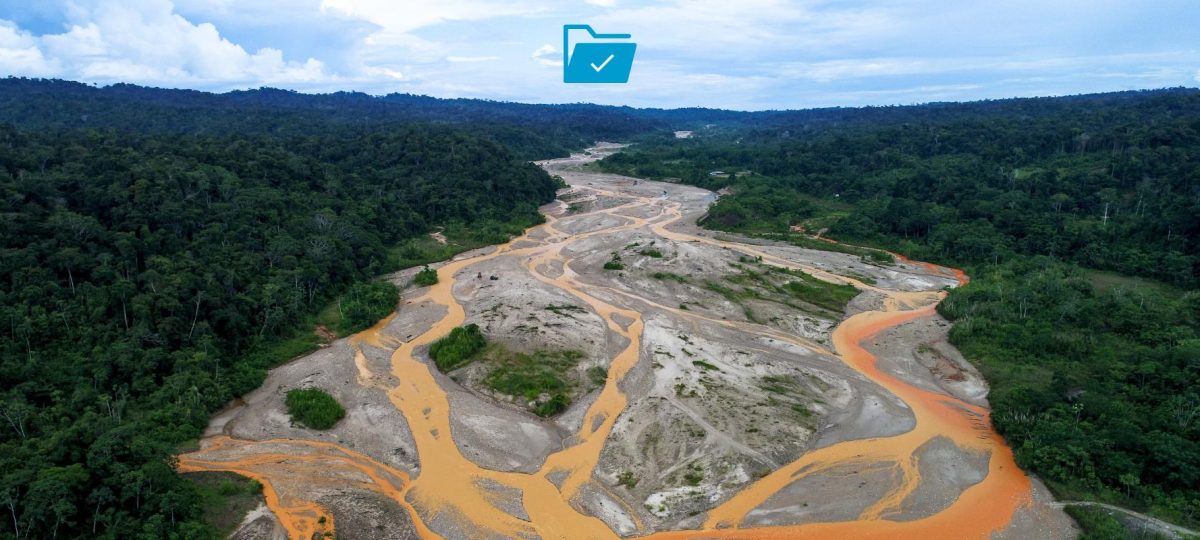
Header photo: gold mining in Madre de Dios in Peru. © Dan Laffay
Environmental defenders in Madre de Dios
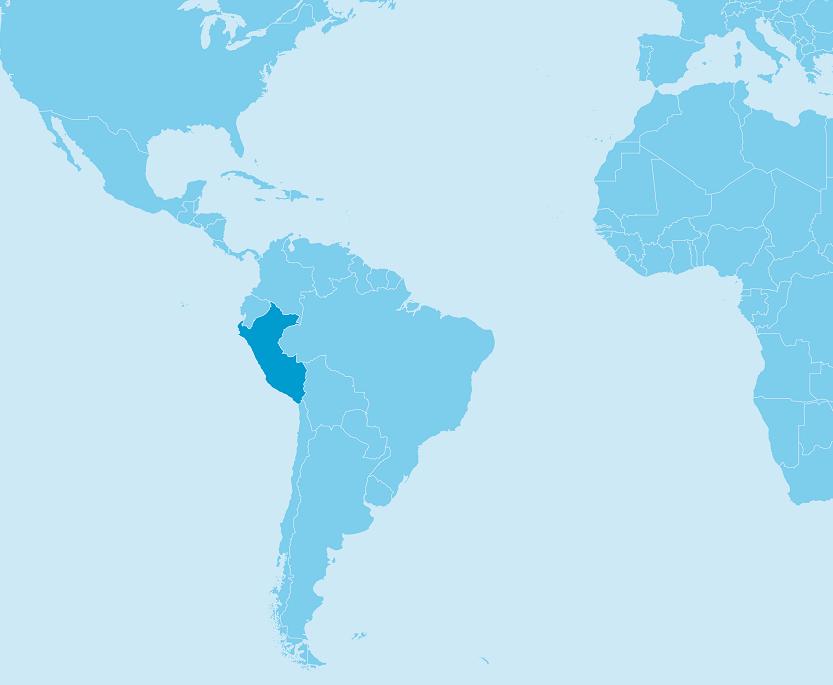
Peru is one of the most dangerous countries in the world for environmental defenders, ranking ninth in the 2021 Global Witness report. Since the beginning of the COVID-19 pandemic in 2020, seventeen environmental defenders have been killed, of which two in Madre de Dios.
This Amazonian region is located in the southeast of Peru, and is one of the world´s most biodiverse regions. Madre de Dios has around 3.8 million hectares of protected natural areas and is home to seven Indigenous groups. But it is also the epicenter of illegal mining and other harmful activities representing a serious threat to biodiversity and Indigenous peoples. Environmental defenders stand strong for both.
Liliana Jauregui – Director IUCN NL‘The information the project developed contributes to build bottom-up proposals and tools for implementing public policy that truly aligns with the situation of environmental defenders, with a keen eye on the situation of Indigenous women.’
Report: Women in a degraded Amazon
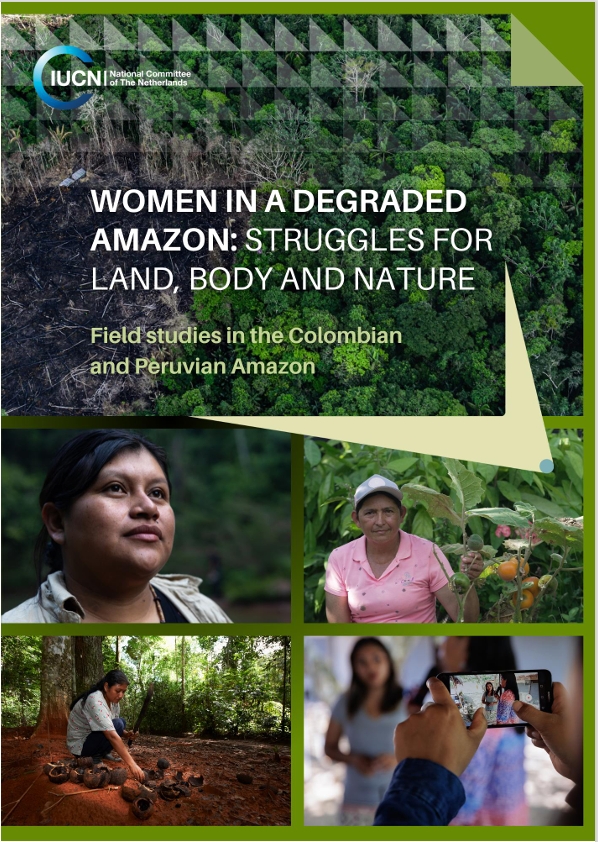
Hoe hangt gender samen met ontbossing, milieuvervuiling, territoriale kwesties en geweld in het Amazonegebied? Onderwerpen als ontbossing en milieuvervuiling in het Amazonegebied zijn veelbesproken. Wat echter nog niet grondig aan de orde is gekomen, zijn de verschillende gevolgen die deze kwesties hebben voor vrouwen.
In this report, available in English and Spanish, IUCN NL analysed gender dynamics in the Peruvian and Colombian Amazon. ‘Extractive activities and gender-based violence are deeply intertwined: illegal mining and agricultural expansion have turned the Amazon into a high-risk territory for women,’ says Mariel Cabero, Expert Environmental Justice at IUCN NL.
PIDDA: strengthening women environmental defenders
The project Inclusive Protection of Environmental Defenders in the Amazon (PIDDA for its Spanish acronym) aimed to improve the national protection system for environmental defenders. Together with our Peruvian partner Sociedad Peruana de Derecho Ambiental (SPDA), we have shed light on the situation of women environmental defenders to promote their and their communities’ effective participation in the development of public policy.
The gender- and intercultural-sensitive data will be used for tools with the objective to improve mechanisms for the protection and participation of environmental defenders in decision-making and guarantee their right to access information, participation and justice.
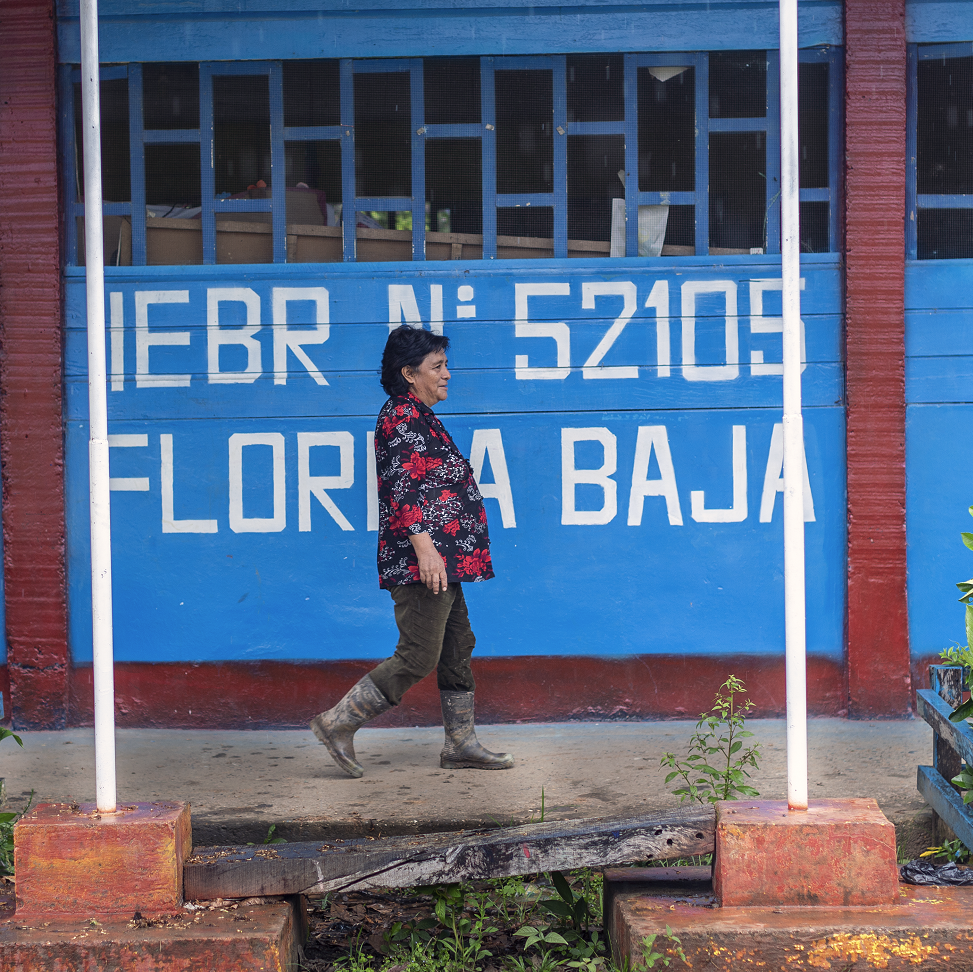
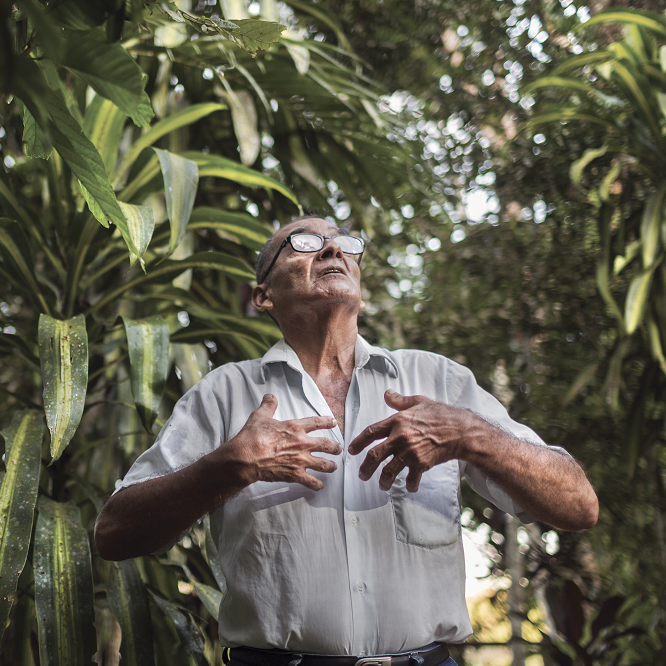
Environmental defenders in Madre de Dios, Peru face many threats. Women are often at the forefront of defending environmental human rights, while being more at risk. © Giancarlo Shibayama / SPDA
How did we support environmental defenders in Madre de Dios?
- We analysed the access to rights of women environmental defenders. A deep understanding of their situation enables us to effectively support them.
- We strengthened the leadership skills of (Indigenous) women environmental defenders and support security and other capacity issues.
- We made their stories visible among a broader public by strengthening the Network of Indigenous Communicators in Peru. In addition, through SPDA, we develop and disseminate information materials about and for environmental defenders.
- We advocated for ministries to include bottom-up proposals with a gender and cross-cultural perspective to improve the institutional conditions for the protection of environmental defenders.
- We developed a roadmap based on lessons learnt from the project to serve as a tool for institutions to strengthen their policy and improve their actions in other contexts, emphasising the gender and intercultural perspective.
Working with local partners
For our project activities to have a true impact for environmental defenders in Madre de Dios, we worked closely together with local partners, including community-based organisations and Amazon communities. More specifically, these collaborations were key to produce valuable and reliable data.
Through our project partner SPDA, we worked with two community-based organisations: FENAMAD (Federación Nativa del Río Madre de Dios y Afluentes) and CDG (Comité de Gestión de la Reserva Nacional Tambopata).
The Agence Française de Développement (AFD) implements France’s policy on international development and solidarity. Through its financing of NGOs and the public sector, as well as its research and publications, AFD supports and accelerates transitions towards a fairer, more resilient world.
More information?