IUCN NL at COP17 in Yerevan: locally led…
12 October, 2026
IUCN NL at COP17 in Yerevan: locally led…
12 October, 2026
BESTLIFE2030 launches its third call for proposals
08 October, 2026
Monday 14 september 2020
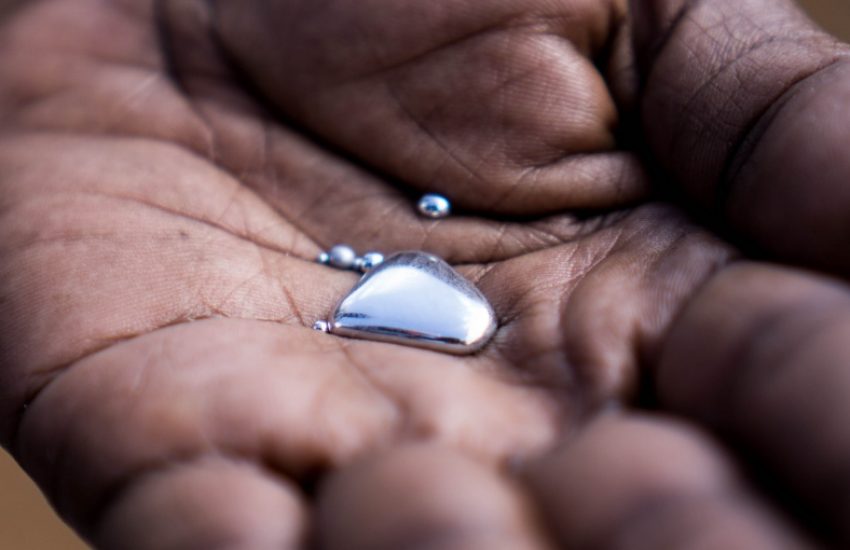
Mercury is one of the driving forces behind small-scale gold mining in the Amazon. The liquid metal is considered essential to extract gold, but mercury pollutes fragile ecosystems and harms human health.
‘Our partners thoroughly investigated the underworld of mercury,’ says Mark van der Wal, Senior Expert Ecosystems & Extractives at IUCN NL. The mercury trade remains in the shadows of the gold industry, but few people know that mercury itself represents a multi-million dollar business.
One of the hidden doors for mercury to enter the Amazon is the Guiana Shield region. The legal import of this toxic substance through Guyana makes it the nexus for smuggling to neighboring countries like Suriname, Venezuela, and Brazil, where it’s been outlawed.
The investigation was conducted in four countries, namely Guyana, Suriname, Brazil and Venezuela for over one year. Along with this special investigation, a documentary directed by Tom Laffay will be launched at a later point.
The platform is supported by IUCN NL under the mercury governance project of Shared Resources, Joint Solutions, a strategic partnership between IUCN NL, WWF and the Netherlands Ministry of Foreign Affairs, as well as by the Rainforest Journalism Fund of the Pulitzer Center.
IUCN NL’s mercury governance project has investigated the formal and informal mercury trade in eight countries including Suriname, Guyana, Bolivia, Burkina Faso, Kenya, Tanzania, Uganda and the Philippines. For more articles on the project and the report, visit www.iucn.nl/mercury.


12 October, 2026
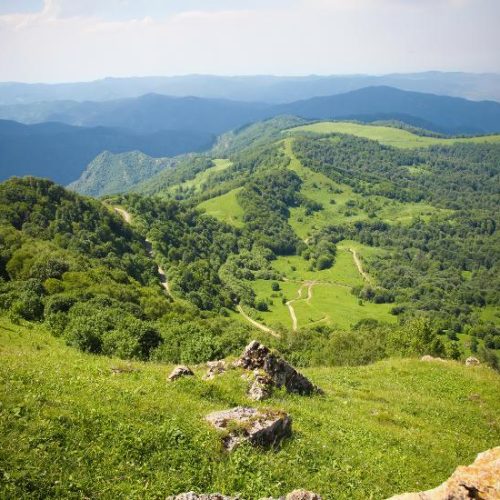
From 19 to 30 October 2026, the UN Biodiversity Conference (CBD COP17) takes place in Yerevan, Armenia, under the theme…
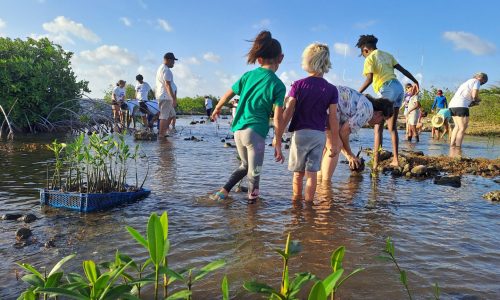
08 October, 2026
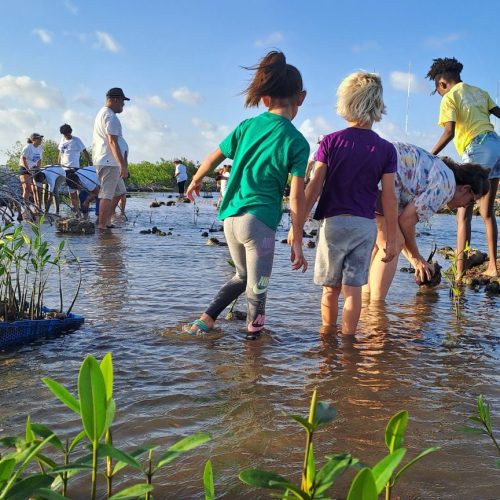
We are pleased to announce that the third BESTLIFE2030 call for proposals is now open, providing new funding for locally…
