
IUCN NL at COP17 in Yerevan: locally led…
12 October, 2026
IUCN NL at COP17 in Yerevan: locally led…
12 October, 2026
BESTLIFE2030 launches its third call for proposals
08 October, 2026
Monday 04 may 2026
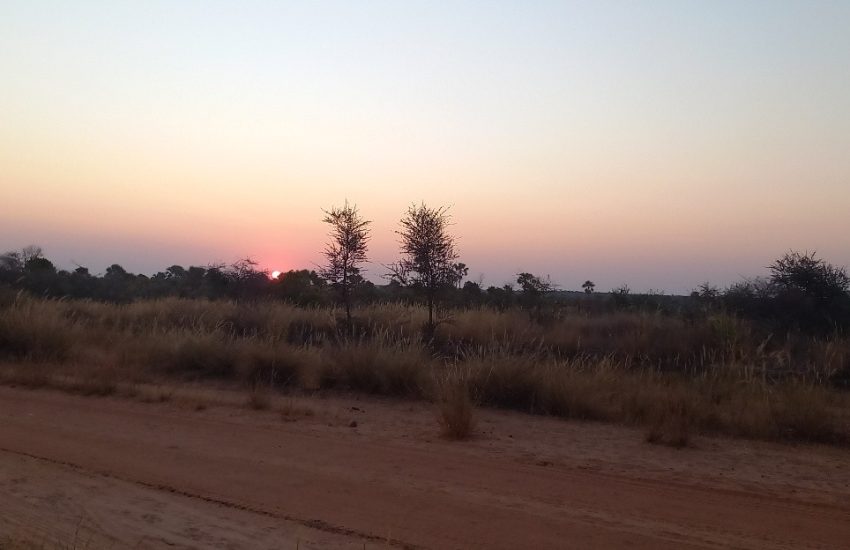
Header photo: Landscape of the dry region of western Madagascar © IOGA
Since June 2024, IOGA has been implementing the ’Ecosystem Accounting of Natural Capital for Ecosystem-Based Adaptation project in Madagascar and the Comoros’. The project applies Ecosystem Natural Capital Accounting (ENCA) in the Boeny region of Madagascar and the Grande Comore island in the Comoros. The project runs until December 2026, supporting evidence-based climate adaptation and environmental decision-making.
Over the past period, IOGA and its partners have reached several important milestones:
Ecosystems quietly provide, especially for free, essential services to humanity, such as water, soil fertility, logs, air and climate regulation, etc. that support livelihoods and human well-being. Yet these services are rarely visible in usual planning or economic systems.
ENCA makes these invisible benefits measurable and comparable over time. By tracking the potential of ecosystems to deliver services, ENCA enables scientists and policymakers to:
ENCA is fully compliant with the UN System of Environmental-Economic Accounting (SEEA 2021). It complements existing global standards and offers a practical, field-tested method that can be adapted to biodiversity-rich regions such as Madagascar and the Comoros.
The results are then being used to inform public policy, protected area management and adaptation planning. ENCA is also being explored as a bridge to corporate accounting approaches, such as the CARE-TDL model, which integrates natural capital into business balance sheets.
The ENCA approach is based on the following:
Rather than assigning monetary values to each individual service, which is often difficult and inconsistent across regions, ENCA evaluates ecological potential, for example, the amount of water stored in vegetation and soils or the availability of biomass. Tracking changes in these potentials over time reveals a territory’s ecological ‘debt’ or gain.
A monetary valuation is possible, but in this case it reflects how local communities value ecosystem services rather than abstract or intrinsic prices. The values are derived from:
This approach ensures that the accounting reflects local perceptions, needs and dependencies, making the results more relevant for decision-making at a local level.
To make these concepts more accessible, the team produced a short educational video:
The video explains how ecosystems support daily life and how ENCA helps us to understand and improve them.
As climate pressures intensify, tools like ENCA provide an effective means of linking ecology, economics, and governance. By making nature’s contributions visible and measurable, ENCA enables smarter, fairer and more sustainable decisions for both the present and future.



12 October, 2026
From 19 to 30 October 2026, the UN Biodiversity Conference (CBD COP17) takes place in Yerevan, Armenia, under the theme…
08 October, 2026
We are pleased to announce that the third BESTLIFE2030 call for proposals is now open, providing new funding for locally…