IUCN NL at COP17 in Yerevan: locally led…
12 October, 2026
IUCN NL at COP17 in Yerevan: locally led…
12 October, 2026
BESTLIFE2030 launches its third call for proposals
08 October, 2026
Thursday 01 january 2015
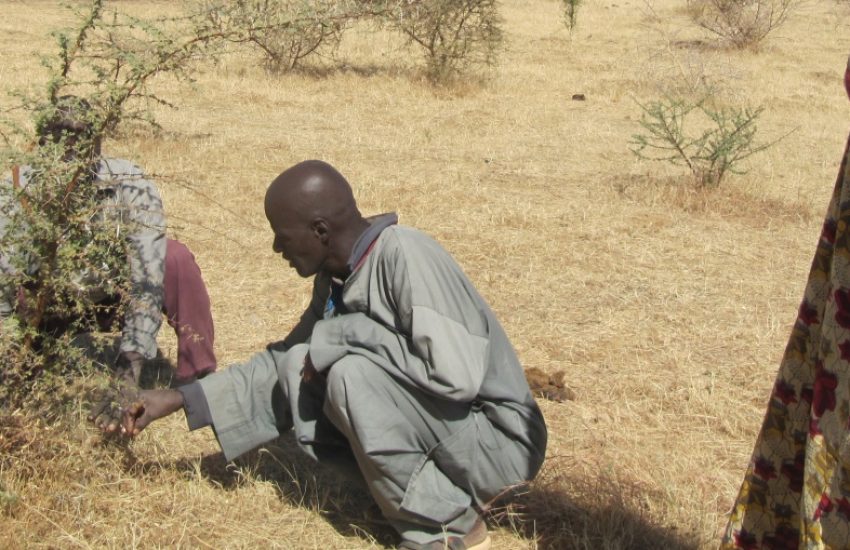
Farmers can do a lot themselves to restore tired farmland if they have the right knowledge. Thanks to training facilitated by IUCN NL, soil fertility in the Dogon Plateau in Mali has increased spectacularly.
Header photo: (c) Joseph Lumumba
Many parts of the Dogon Plateau in the heart of Mali have been greatly damaged by unsustainable farming methods and forest fires. The nutrient content of the arid soil is low and erosion has the upper hand in this bare landscape. As a result, the local population in many parts of the Dogon Plateau can barely harvest enough to survive on.
With the assistance of IUCN NL, the local development organization Développement au Sahel (HDS) offered training in so-called Assisted Natural Regeneration (ANR) techniques. ANR aims to accelerate the natural growth of trees, shrubs, herbs and other plants through, for example, weed control and effective pruning. A total of more than 2,400 local Dogon farmers were encouraged to use these techniques during routine farm maintenance.
Thanks to the farmers’ efforts and newly acquired skills, the average number of trees per hectare has risen from 7 to 70. In the total area, which comprises more than 14,000 hectares, the number of trees has increased by 100,000. The reforestation has many advantages for the local community, such as more firewood, natural materials for medicines, less erosion and better crops.

12 October, 2026
From 19 to 30 October 2026, the UN Biodiversity Conference (CBD COP17) takes place in Yerevan, Armenia, under the theme…
08 October, 2026
We are pleased to announce that the third BESTLIFE2030 call for proposals is now open, providing new funding for locally…
