
Discover the new Nature’s Heartbeat website
20 October, 2026
Discover the new Nature’s Heartbeat website
20 October, 2026
IUCN NL at COP17 in Yerevan: locally led…
12 October, 2026
Monday 26 october 2020
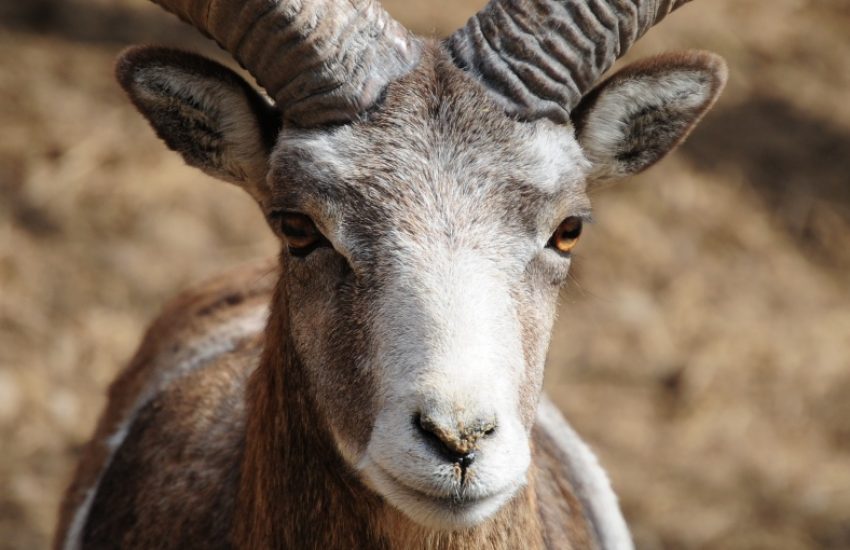
Header photo: Moeflon © Manuk Manukyan
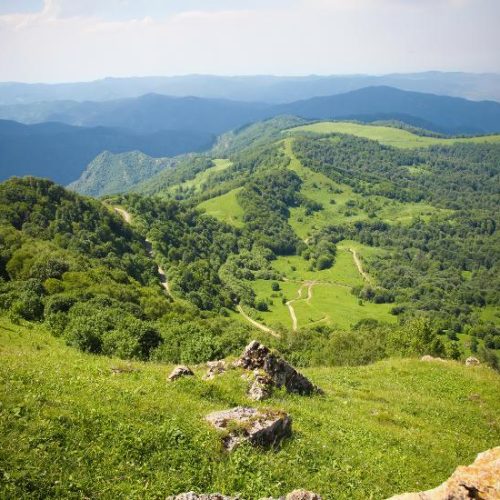
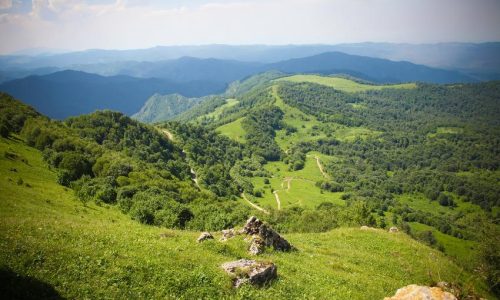
The unique Khosrov Reserve in Armenia is home to all kinds of waterfowl, birds of prey such as eagles and vultures, and no less than 40 mammal species, some of which can only be found in this part of the Caucasus. Unfortunately, many of these animals, including the Caucasian leopard, lynx, mouflon (wild sheep), bear and bezoar goat are faced with extinction. The greatest danger comes from hunters, but also from farmers in the area who let their cattle graze in the reserve, disrupting the habitat of the species that live there.
Armenian partner organization FPWC (Foundation for the Protection of Wildlife and Cultural Assets) received a EUR 20,000 grant within the framework of IUCN NL’s Small Grants for the Purchase of Nature (SPN) programme. The grant was used to lease 839 hectares of land in the vulnerable boundary areas of the reserve. Some of the money has gone towards building a facility for the park rangers. The park rangers are in charge of enforcing park regulations. The work of FPWC is also supported by the British World Land Trust.
The FPWC Wildlife Refuge is increasingly becoming a safe haven for flora and fauna, as became incontrovertably clear when in July 2013, the tail of a Caucasian leopard was captured on camera. It was eight years since one had been seen in the vicinity of the park. Other animal populations are restoring themselves as well. The number of bezoar goats has increased and the animals are also less timid, which is a sign that they feel at ease there. Herds numbering up to 30 goats are now regularly seen inside the reserve. In addition, the people living in the area benefit from the reserve, so it receives a lot of local support. Four park rangers have been hired, and in the future ecotourism is expected to create jobs for the people in the nearby village of Urtsadzor.


20 October, 2026
The new Nature’s Heartbeat website is live. It brings together the stories, people and landscapes behind a growing movement that…
12 October, 2026
From 19 to 30 October 2026, the UN Biodiversity Conference (CBD COP17) takes place in Yerevan, Armenia, under the theme…

