
IUCN NL at COP17 in Yerevan: locally led…
12 October, 2026
IUCN NL at COP17 in Yerevan: locally led…
12 October, 2026
BESTLIFE2030 launches its third call for proposals
08 October, 2026
Thursday 07 september 2023
Header photo: Ⓒ Madhushree Narayan via Unsplash
It is important that the protein transition happens in a responsible manner, with consideration for nature and people in the plant-based value chains themselves. For this, it is essential that international production chains of plant-based ingredients meet sustainability requirements, anywhere in the world.
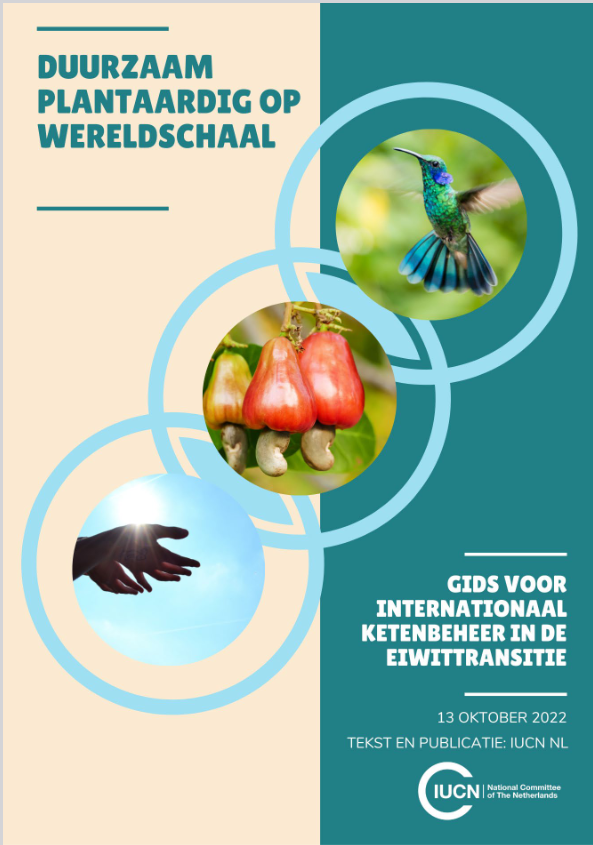 Shorter, plant-based chains help the planet, but can only do so if they are produced responsibly with respect for nature and people. IUCN NL has therefore published a practical guide to responsible plant-based value chains, with fact sheets on 16 different value chains.
What is the state of water management on almond plantations? Do all employees peeling cashew nuts have sufficient protective clothing against the toxic shells?
And what about biodiversity in the area from which the soy for human consumption originates?
These and other questions are addressed in Sustainable plant-based food worldwide – A guide for international value chain management in the protein transition.
Sustainable plant-based food worldwide – A guide for international value chain management in the protein transition consists of two parts. The first part discusses the what, how and why of responsible plant-based protein value chains and the second part analyses sixteen chains, which are presented in clear fact sheets, and a comparative overview. Please share any feedback and more information on methods and opportunities with us.
Factsheet per chain:



12 October, 2026
From 19 to 30 October 2026, the UN Biodiversity Conference (CBD COP17) takes place in Yerevan, Armenia, under the theme…
08 October, 2026
We are pleased to announce that the third BESTLIFE2030 call for proposals is now open, providing new funding for locally…