BESTLIFE2030 launches its third call for proposals
08 October, 2026
BESTLIFE2030 launches its third call for proposals
08 October, 2026
Keeping Indigenous knowledge alive in Palawan
01 October, 2026
Monday 12 october 2026
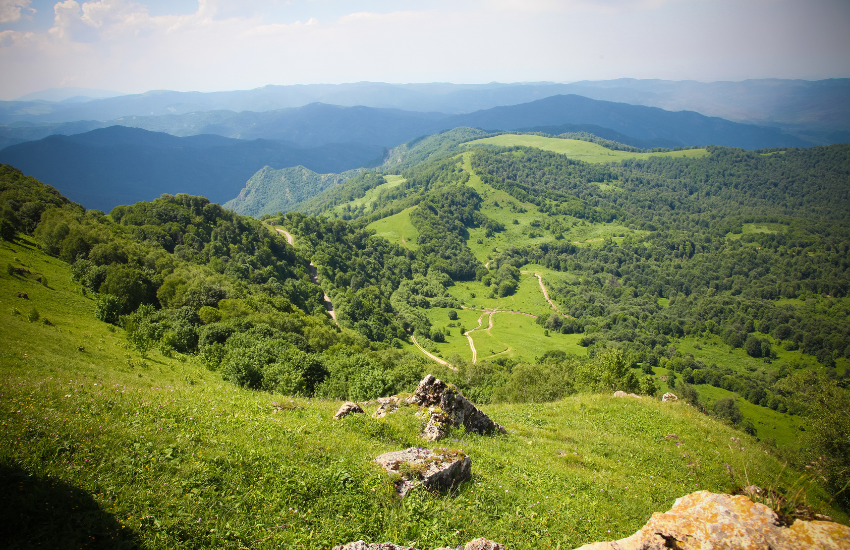
Header photo: Armenia © akoppo from Getty Images via Canva
Grassroots groups, Indigenous Peoples’ organisations, community enterprises, and (women) environmental defenders are usually the first to act when a forest is cleared, a river is polluted or a species starts to disappear. They experience firsthand how the crises of biodiversity loss, water, climate change and livelihoods connect in their landscape. Long before and long after international politicians put these topics on the agenda. Yet for a long time, only a small share of funding has reached the organisations working in the world’s most biodiverse landscapes.
Often, the people who are closest to the fire are brought in at the end of a conservation plan instead of at the start. Funding arrives with short project timelines, fixed budget lines, and reporting demands that can cost a small organisation more time than the work itself. In some cases, it even buries an organisation. If we want lasting results in biodiversity-rich landscapes, this needs to change.
The Kunming-Montreal Global Biodiversity Framework (GBF) itself calls for the full and effective participation of Indigenous Peoples and local communities, women included, in decisions about biodiversity (Target 22). Getting there requires locally-led conservation and trust-based funding.
Although the term trust-based funding is gaining traction over these last few years, for IUCN NL, trust-based funding is not a new trend. It is how we have worked for over 25 years.
Our starting point is simple: the people closest to nature are best placed to decide what it needs. Our role is to make sure resources reach them quickly, with flexibility and as few strings attached as possible. We stand by our partners when things get difficul
A few examples of current programs:
Our sessions build on each other. Together they answer the question: what does it take to create locally led conservation impact through trust-based funding?
The answer lies in answering the underlying questions during our side events:
But changing how conservation is funded means facing real barriers; for donors, for intermediaries and for local organisations themselves. Every session is built around dialogue, in which we bring these groups to the same table.
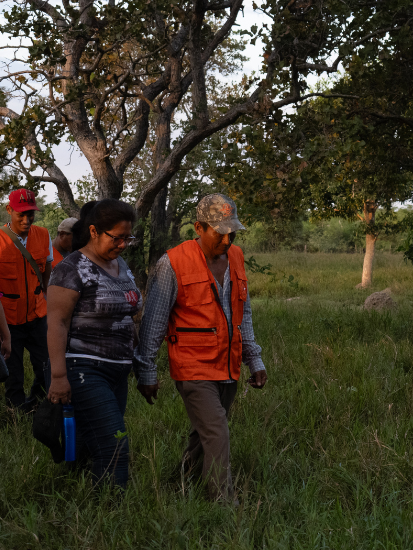
Photo: field work in Bolivia © Armonía
Key Biodiversity Areas are often safeguarded by those who live in and around them: grassroots organisations, Indigenous Peoples, local communities, faith-based groups and community enterprises. Yet they are still rarely recognised as conservation actors in their own right, and face major barriers in access to finance, decision-making and land rights.
Speakers from six countries share how locally led conservation delivers results for both biodiversity and communities, and strengthens long-term stewardship of important landscapes. A key part of the discussion: trust-based, flexible and long-term funding models, drawing on experience from the Nature’s Heartbeat programme.
Join us to explore how equitable governance, direct financing and lasting institutional support can put local actors at the centre of global conservation.
Indigenous Peoples and local communities are among the world’s most important stewards of biodiversity, yet their organisations remain severely underfunded and are rarely trusted to design conservation strategies. In this interactive workshop, funders, intermediaries and conservation practitioners work side by side to map the barriers to finance, including the constraints funders and intermediaries face themselves.
Using concrete examples of locally led and trust-based funding, we look for practical ways to make funding more accessible, flexible, long-term and effective. The expected outcome: a joint analysis of challenges, a clear call to action and practical recommendations for stronger collaboration across the funding ecosystem.
Trust is more than a value. It is a strategy for better conservation outcomes. As one women’s rights activist put it: “Trust is more empowering than money.”
In this session, donors, intermediaries and frontline conservation actors discuss what trust-based funding means to them, and how it can strengthen local leadership, shift power, lower barriers and help deliver the ambitions of the GBF.
Synchronicity Earth reflects on the evolution of trust-based philanthropy, while IUCN NL shares how we put trust into practice through the Land Acquisition Fund, Nature’s Heartbeat and Green Lifeline Action Fund. We explore the question: how can trust and accountability reinforce each other, rather than compete?
This session will focus on collaborations of the Dutch water sector to promote, implement and scale Nature-based solutions, with special reference to initiatives in West Africa and their potential for sustainable water management and biodiversity benefits.
Launched at COP16 in 2024, the Irene Dankelman Young Ecofeminist Award celebrates young environmental leaders working where gender and environmental justice meet.
It honours the legacy of Irene Dankelman, a pioneer in connecting gender equality with climate and biodiversity, and who was a dedicated mentor to young activists.
At COP17, we celebrate three grassroots women leaders whose work protects biodiversity and strengthens their communities. The ceremony also brings grassroots feminists and high-level speakers together in a dialogue on why gender-just solutions are essential to tackle the triple planetary crisis.
Biodiversity goals can only be met if frontline actors get the support they need when a crisis hits. Hear which emergencies conservationists and environmental defenders face, from threats and legal intimidation to fires and disasters, and how rapid response funds help them overcome the unexpected and protect hard-won conservation gains.
Are you part of a frontline organisation? This session is your opportunity to speak directly with your peers and donors, to share what works and what doesn’t. Your input helps improve funding processes and criteria so they better match the reality on the ground, including our own way of working.
Our team will be in Yerevan throughout the first week of COP17. Are you a funder, intermediary or frontline organisation looking for ways to make conservation funding more direct, flexible and effective? We’d love to talk. Get in touch to set up a meeting or find us at one of our sessions.
Can’t be there in person? Several sessions are livestreamed. Follow IUCN NL on LinkedIn for updates from Yerevan.
08 October, 2026
We are pleased to announce that the third BESTLIFE2030 call for proposals is now open, providing new funding for locally…
01 October, 2026
For Indigenous communities in Palawan - known as the last ecological frontier of the Philippines - knowledge about land, forests…

