Discover the new Nature’s Heartbeat website
20 October, 2026
Discover the new Nature’s Heartbeat website
20 October, 2026
IUCN NL at COP17 in Yerevan: locally led…
12 October, 2026
Thursday 01 october 2026
For Indigenous communities in Palawan – known as the last ecological frontier of the Philippines – knowledge about land, forests and natural resources is woven into everyday life. Customary practices, community rules, the role of elders and ways of working all form part of Indigenous Knowledge Systems and Practices. Recognising and safeguarding this knowledge is key for effective biodiversity conservation.
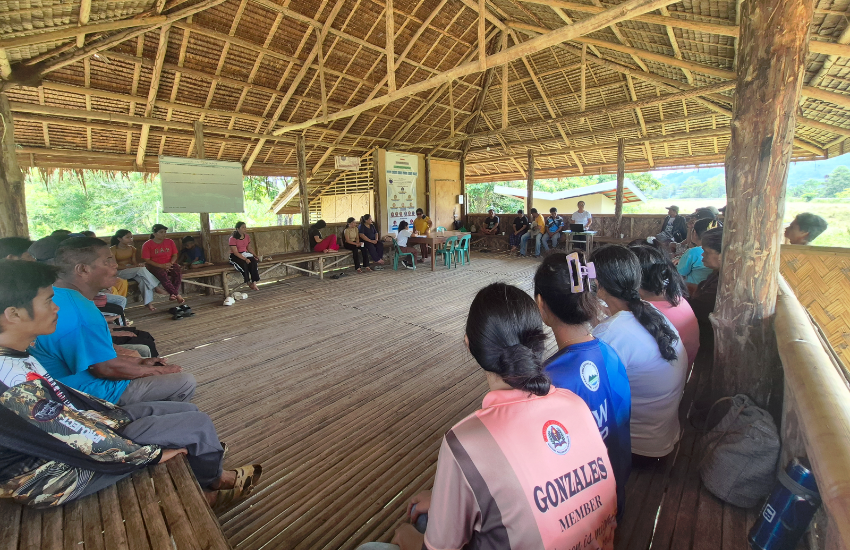
Header foto: A session at the Palawan Indigenous Peoples Forum © ELAC
From 31 August to 4 September 2026, a session at the Palawan Indigenous Peoples Forum and community sessions in two Indigenous territories Southern Palawan, brought together Indigenous Peoples, including women and youth, community leaders and civil society organisations. They explored Indigenous Knowledge Systems and Practices (IKSP). The activities focused on recognising and protecting Indigenous knowledge, understanding related rights and supporting its intergenerational transmission. The two Indigenous territories are located within a tropical rainforest landscape of high biodiversity value that qualifies as a Key Biodiversity Area (KBA).
Indigenous Knowledge Systems and Practices (IKSP) refer to the knowledge, customary practices, values and community institutions through which Indigenous Peoples relate to and care for their environment. These complex, dynamic and holistic bodies of knowledge, beliefs, technologies and institutional mechanisms were developed by Indigenous Peoples through centuries of lived experience and interaction with their natural environments. This knowledge is closely connected to their cultural identity, livelihoods and community well-being, and contribute to biodiversity conservation and sustainable natural resource use.
The Indigenous Peoples’ Biodiversity Strategy and Action Plan, Philippines (IPBSAP) is the world’s first Indigenous-led biodiversity strategy of its kind. Developed by Indigenous Peoples in the Philippines, it sets out their priorities and actions for biodiversity conservation and contributes to national implementation of the Convention on Biological Diversity (CBD) and the Kunming-Montreal Global Biodiversity Framework (GBF). It also highlights that 96 of the Philippines’ 128 Key Biodiversity Areas are within Indigenous Peoples’ ancestral domains. The IKSP activities, as described below in this article, in Palawan complement the IPBSAP by strengthening awareness of Indigenous knowledge, rights and community-led approaches to biodiversity conservation.
Across the two activities, 142 participants came together to share experiences and reflect on Indigenous Knowledge Systems and Practices (IKSP). For some participants, the term IKSP was new. The discussions provided an opportunity to connect this formal term with knowledge and practices already present in their communities: customary ways of caring for land and forests, traditional livelihoods, collective work, community decision-making and local rules governing resource use.
The activities also explored Indigenous Peoples’ rights over their cultural and intellectual heritage. Participants discussed what happens when external organisations want to research, document or use Indigenous knowledge and the importance of community protocols and Free, Prior and Informed Consent (FPIC) in such processes.
The sessions focused on strengthening awareness of IKSP and related rights and creating space for communities to reflect on their knowledge, its role in community life and biodiversity conservation and how it can be protected and passed on. Participants retained control over what knowledge they chose to share, with sacred, confidential and restricted knowledge remaining outside the discussions.
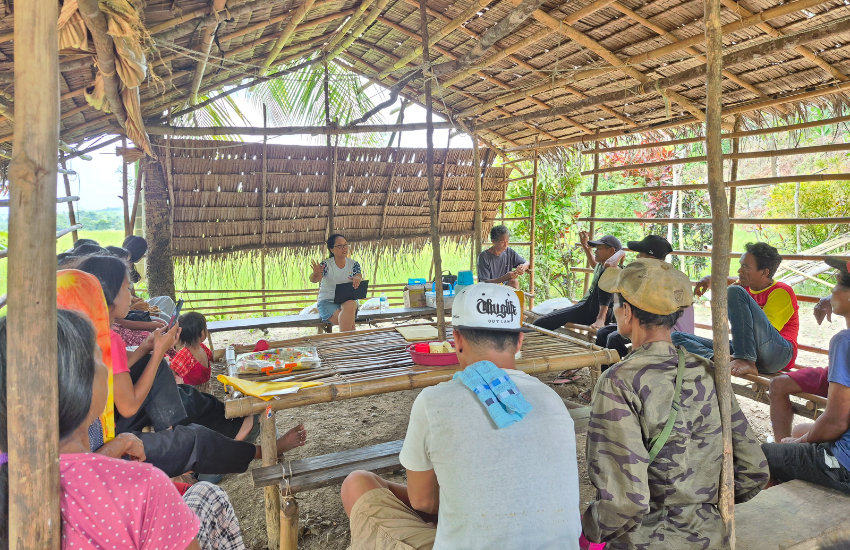
A strong theme emerging from the discussions was intergenerational learning. Elders, women and youth leaders highlighted the importance of creating opportunities for younger generations to learn about their cultural knowledge and practices. Participants suggested community gatherings and tribal halls as possible spaces for this exchange, and stressed that communities themselves should decide what knowledge can appropriately be shared.
‘Indigenous knowledge is gradually fading away, and we need to act now to pass it on to our youth, so it can continue to the next generations.’
- Eddie Mateo, Indigenous leader
The discussions also highlighted the close relationship between IKSP, biodiversity conservation, livelihoods and community well-being. Participants connected their knowledge and practices with caring for land and natural resources and maintaining community identity and resilience.
Indigenous and local knowledge is increasingly recognised as an important contribution to nature conservation. Recognising IKSP also means recognising the rights of the people who hold that knowledge and their authority over how it is shared and used. Conservation efforts can be stronger when they respect and make space for these different ways of knowing and caring for nature.
The IKSP sessions are part of the Darwin Initiative project Indigenous leadership for biodiversity protection in the Philippines’ Last Ecological Frontier. They were organised by project partner ELAC.
The Darwin Initiative project Indigenous leadership for biodiversity protection in the Philippines’ Last Ecological Frontier works in two Key Biodiversity Areas in Palawan to strengthen Indigenous leadership and forest governance, support the transmission of Indigenous Knowledge Systems and Practices, promote biodiversity-friendly NTFP and agroforestry livelihoods and strengthen sustainable resource management and biodiversity protection.

20 October, 2026
The new Nature’s Heartbeat website is live. It brings together the stories, people and landscapes behind a growing movement that…
12 October, 2026
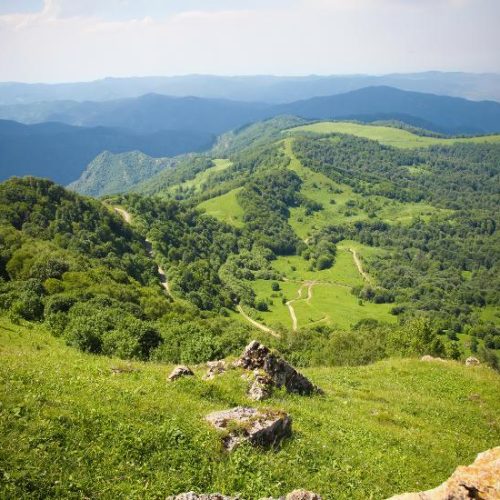
From 19 to 30 October 2026, the UN Biodiversity Conference (CBD COP17) takes place in Yerevan, Armenia, under the theme…