IUCN NL at COP17 in Yerevan: locally led…
12 October, 2026
IUCN NL at COP17 in Yerevan: locally led…
12 October, 2026
BESTLIFE2030 launches its third call for proposals
08 October, 2026
Monday 07 september 2026
Header photo: Forest Landcape with Native Species © NATIR
Over the past three years, together with Forestry Service (Government of Mauritius), NATIR, has been working to restore a degraded forest in Plaine Sophie, Mauritius. What started as a local restoration project has become an example of how science, community engagement and strong partnerships can deliver real results for both people and nature.
With support from CEPF, the project restored more than five hectares of forest, helped recover threatened native species including vacoas (Pandanus hypoxia), ebony (Diospyros revaughanii) and the bois chandelle (Draceana floribunda) Bois banane (Geartnera hirtifolia) created opportunities for marginalized people, and developed practical lessons that can be applied to restoration efforts elsewhere.
Plaine Sophie lies within an important biodiversity area near Mauritius’ largest water catchment. Over time, invasive plants such as Chinese guava (Psidium cattleainum) had degraded much of the forest, making it difficult for native species to survive and regenerate. To tackle this challenge, NATIR focused on creating small pockets of restored habitat throughout the site rather than attempting to restore the entire area at once. These pockets act as starting points from which native vegetation can gradually spread and reconnect.
By the end of the project, 5.05 hectares of forest were under improved management. More than 37,000 native and endemic plants had been established, including 26 globally threatened species, such as the barbel palm, Acanthophoenix rubra (CR), Cnestis glabra (Vulnerable) and Warneckea trinervis (Vulnerable), far exceeding the original conservation target.
One of the project’s most encouraging discoveries was that some threatened species like the Mort au rat (Cnestis glabra) and the barbel palm( Acanthophoenix rubra) began regenerating naturally in areas where they had never been planted. This suggests that native seeds had remained hidden in the soil and were able to grow again once invasive plants were removed.
From the beginning, the project placed a strong emphasis on monitoring and learning. Every planting activity was recorded in a detailed database, and restoration plots were regularly monitored to understand what was working and what needed to be improved.
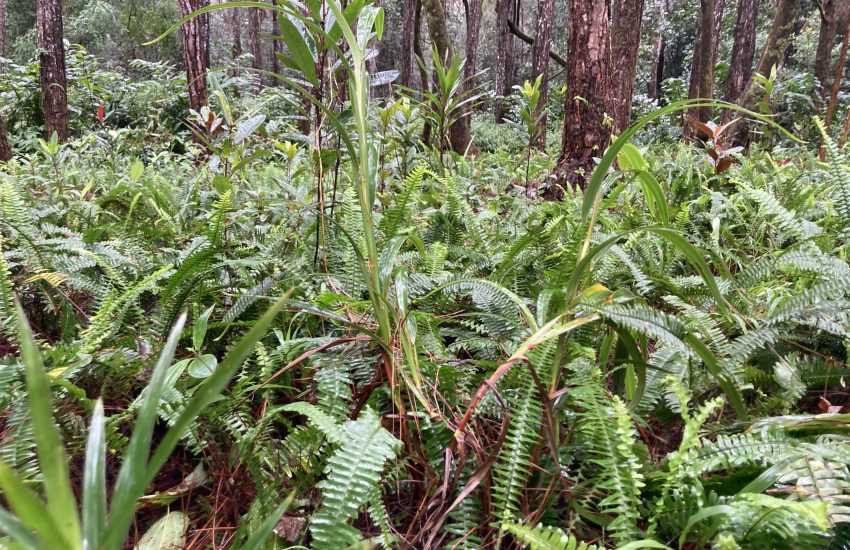
One of the most important findings involved native ferns. The team initially planted just over 8,000 ferns across restoration plots. Within three years, those ferns had naturally multiplied to an estimated 216,000 plants. As the ferns spread, they helped suppress invasive plants, protect the soil and create better conditions for young trees to survive.
The lesson was clear: successful forest restoration is not just about planting trees. Creating the right conditions for the whole ecosystem to recover can be even more important. These findings influenced how the project was managed. Rather than focusing only on planting more trees, NATIR increased its efforts on maintenance and invasive species control because the evidence showed this produced better long-term results.
The project was designed to benefit people as well as biodiversity. Through a partnership with the TAPAJ programme of PILS (Prévention Information Lutte contre le Sida), PILS collaborated with NATIR to provide paid restoration work to 61 people from marginalized and disadvantaged backgrounds, including former prisoners and people recovering from substance dependence.
For many participants, this offered an opportunity to earn income while developing practical skills in planting, maintenance, native species identification and equipment use. Seven participants later moved into longer-term employment with NATIR through formal work contracts lasting between six and nine months. Beyond wages, these jobs helped individuals build work experience, employment records and references that could support future opportunities.
The project also highlighted the importance of working with specialist social-support organizations when engaging vulnerable groups. While the initiative delivered meaningful benefits, NATIR learned that conservation organizations cannot meet complex social-support needs on their own and that strong partnerships are essential.
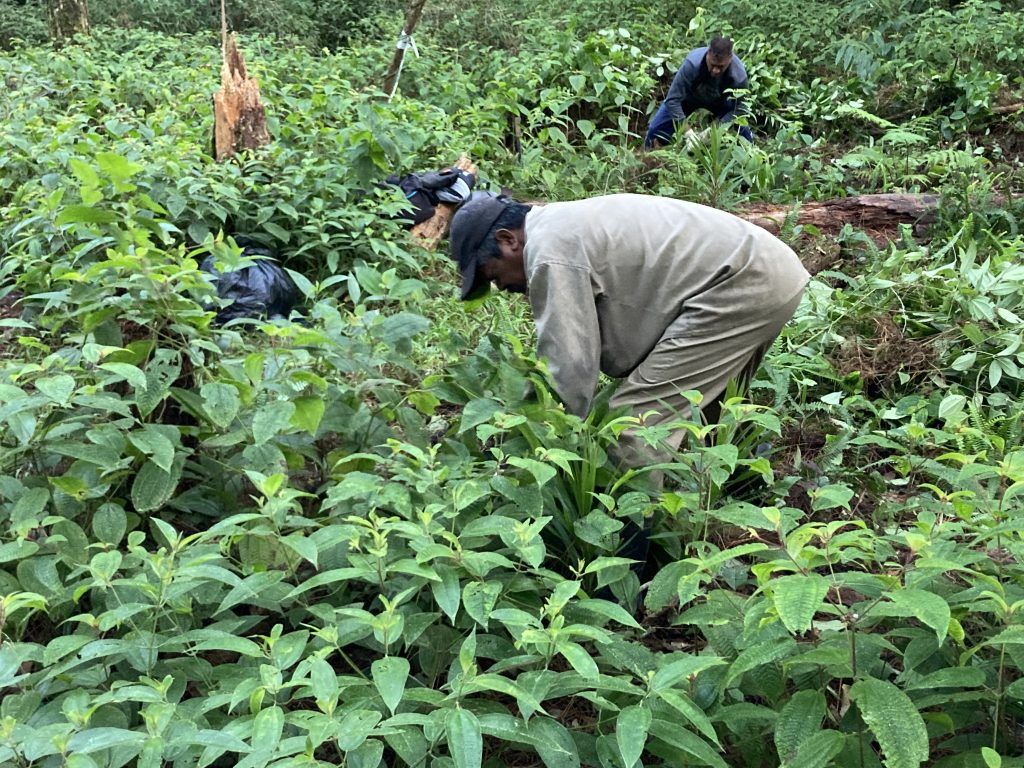
Workers At Plaine Sophie © NATIR
Public engagement became another milestone. Between 2023 and 2026, the project welcomed 657 participants through guided visits, educational activities and awareness events. Visitors included school students, vocational trainees, women’s associations, corporate teams, youth groups, service clubs and organizations working with people with disabilities.
Many groups returned more than once, often bringing larger numbers of participants each time. This growing interest suggested that people were not only learning about restoration but also developing a lasting connection with the site. The project helped introduce many Mauritians to their native forests, endemic plants and the importance of protecting the country’s natural heritage.
Like many conservation projects, the Plaine Sophie restoration effort faced challenges along the way. Rather than allowing these obstacles to derail progress, NATIR adapted its approach, using monitoring data and lessons from the field to guide decisions and focus resources where they would have the greatest impact. This emphasis on adaptive management became one of the project’s key strengths and helped ensure that strong conservation outcomes were achieved throughout the grant.
The benefits of this work extend well beyond restoring native forest: an independent assessment estimated that the restored area is generating more than 10 million litres of water benefit each year by reducing water losses. The restored areas are also improving the functioning of a catchment that supplies Mauritius’ largest reservoir. In addition to supporting biodiversity, the project is therefore contributing to water security and climate resilience, with these benefits expected to increase as the forest continues to recover and mature.
These successes have guaranteed that the project will continue after the grant has ended. The Forestry Service of Mauritius has committed to maintaining its partnership with NATIR, continuing to provide technical expertise and native planting material. Because the restoration site is located on state forest land, the restored area also benefits from long-term protection.
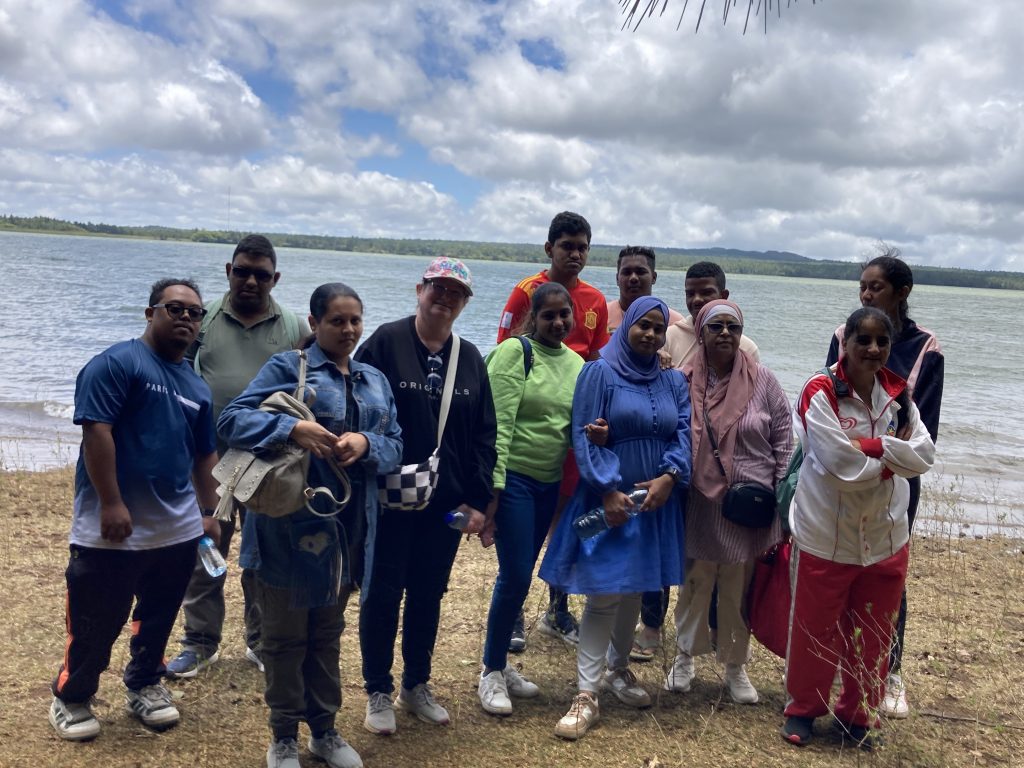
Partner visiting the forest at Plaine Sophie © NATIR
The project has also begun attracting new sources of support. Companies that initially visited the site for awareness activities later chose to sponsor and help plant restoration plots themselves. This shift from awareness to investment creates new opportunities to finance restoration over the long term.
Community groups, schools and service clubs also continue to participate, and some organizations are already exploring how to apply the approach in their own activities.
The Plaine Sophie project demonstrates that successful restoration is about much more than planting trees. It shows the value of combining science, practical field experience, strong partnerships and community involvement. It demonstrates that conservation projects can support both biodiversity and people. And it highlights the importance of adapting when challenges arise rather than following a fixed plan.
Most importantly, the project leaves behind more than a restored forest. It leaves a tested restoration approach, a growing network of partners and supporters, and a strong foundation for scaling restoration efforts across Mauritius and other island ecosystems facing similar challenges.
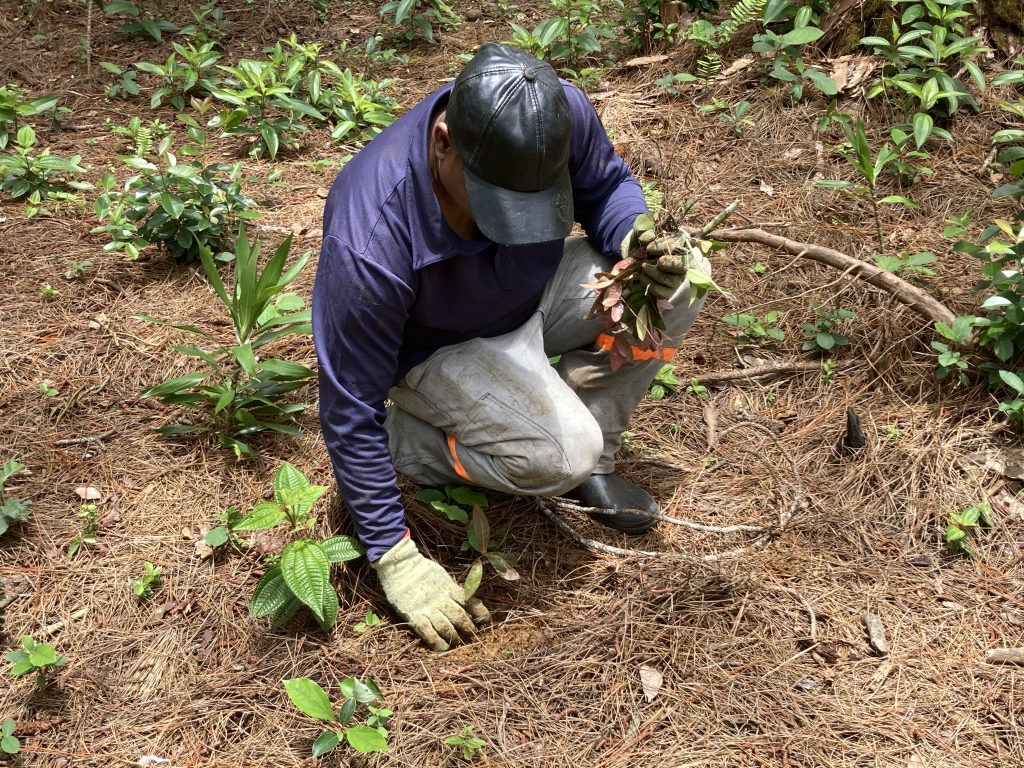
Workers At Plaine Sophie © NATIR



12 October, 2026
From 19 to 30 October 2026, the UN Biodiversity Conference (CBD COP17) takes place in Yerevan, Armenia, under the theme…
08 October, 2026
We are pleased to announce that the third BESTLIFE2030 call for proposals is now open, providing new funding for locally…