IUCN NL at COP17 in Yerevan: locally led…
12 October, 2026
IUCN NL at COP17 in Yerevan: locally led…
12 October, 2026
BESTLIFE2030 launches its third call for proposals
08 October, 2026
Tuesday 30 september 2025
The forests of the Philippines are among the most biodiverse on Earth, yet they face enormous pressures from mining and deforestation. Indigenous women, often the first to bear the brunt of these threats, are also among the strongest defenders.
Header photo: © Lilak
The Philippines is one of the world’s most mineral-rich countries, home to vast reserves of nickel, copper and gold – minerals that are used in the global energy, digital and military transitions. Yet much of these deposits lie under ancestral domains, forests and watersheds that Indigenous Peoples have safeguarded for generations. Mining concessions overlap with biodiversity hotspots, critical watersheds and community farmlands.
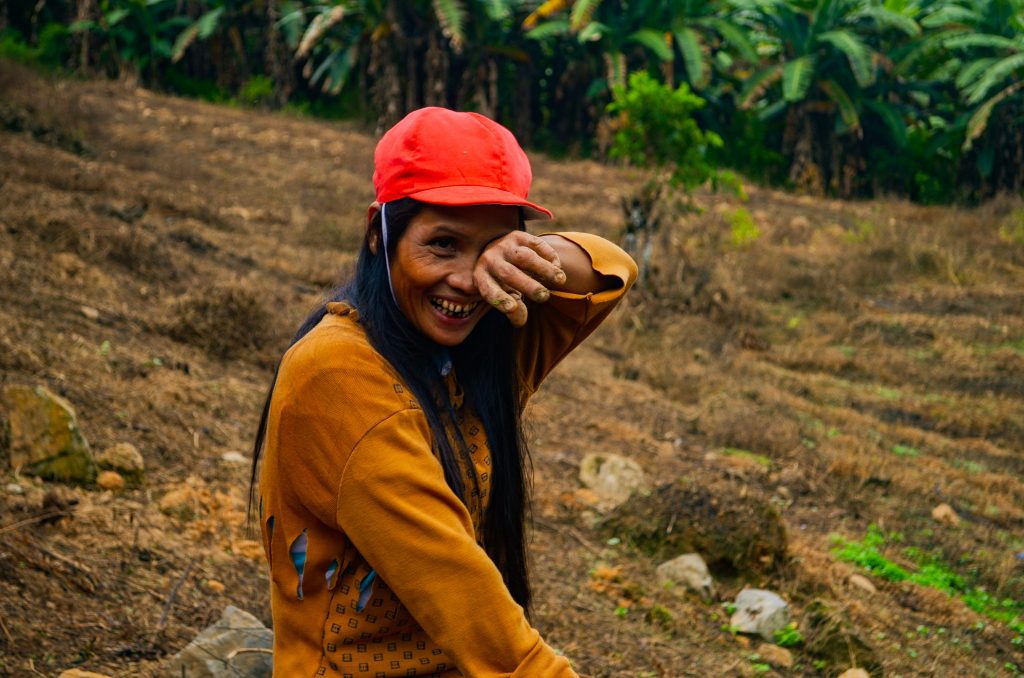
For Indigenous women, this is not just an environmental issue. Forests provide water, food, medicine and cultural identity. When mining threatens these ecosystems, it also threatens women’s health, safety, and rights. Many face harassment, violence, or displacement when they speak out. As one Teduray woman said: “If the forest goes, our life goes with it.”
It is in this fragile and contested landscape that Lilak (Purple Action for Indigenous Women’s Rights) as part of the Forests for a Just Future programme of the Green Livelihoods Alliance (GLA) works with Indigenous women human rights defenders to strengthen women’s leadership, protect civic space and promote inclusive and equitable forest governance.
In mining-threatened forest landscapes in Nueva Vizcaya and the Teduray Lambangian Ancestral Domains in Bangsamoro Autonomous Region in Muslim Mindanao (BARMM), Lilak supported Indigenous women to deepen their understanding of inclusive and sustainable forest governance and the looming impacts of mining. Learning sessions became spaces where women, young and old, connected their daily struggles with broader land and resource policies. They spoke of crop failures, debt and the fear of militarization. They also began to see themselves as leaders.
A turning point came at the National Gathering of Indigenous Women Human Rights Defenders. For the first time, women from different landscapes came together, sharing testimonies of threats, harassment and resilience. They formed a national working group, drafted a protection plan and organized solidarity visits to highly threatened communities such as those resisting the Tampakan mining project.
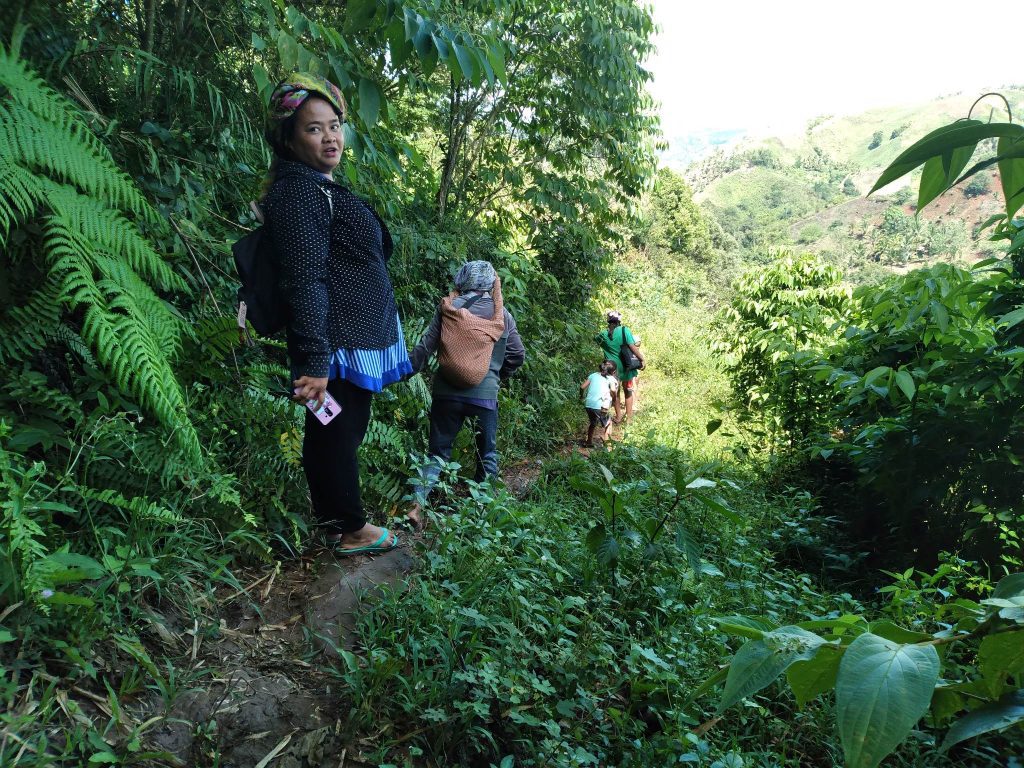
At the same time, local collectives like TK3 (Tanggol Karapatan ng Katutubong Kababaihan) documented cases of violence against women in BARMM. These testimonies were presented to the Commission on Human Rights and the National Commission on Indigenous Peoples, giving weight to advocacy and showing that women’s voices cannot be silenced.
Leadership breakthroughs also took place. At the Timfada Limod assembly, the highest decision-making space in the Teduray Lambangian Justice and Governance system, two women were formally recognized as leaders. For the first time, women’s perspectives on livelihoods, security and gender-based violence were integrated into formal governance.
When the Bangsamoro Organic Law was passed in 2018, the new government of Bangsamoro Autonomous Region in Muslim Mindanao (BARMM) identified mining as a key economic driver, targeting areas within the Teduray Lambangian Ancestral Domain. The Teduray Justice and Governance (TJG) strongly opposed this, warning of the damage mining would bring to their land and people.
Through their formation Inged Fintailan, Teduray and Lambangian women took the lead in raising awareness. They organized community learning sessions, sharing both legal knowledge and testimonies from women in other mining-affected areas. In 2024, during the Timfada Limod (the highest leadership assembly), women recalibrated organising at the village level, discussing livelihoods, security and gender-based violence.
At this assembly, TK3 women defenders were reintroduced to communities and officials, and for the first time, two women were recognized as part of the IPS (BARMM Ministry of Indigenous Peoples’ Affairs) leadership a breakthrough moment for women’s voices in governance and forest defense in BARMM.
Lilak’s strength lies not only in its community-based work, but also in linking local experiences with national and international policy and learning spaces. Through its engagement in the Women and Mining Working Group of Alyansa Tigil Mina (ATM), gender perspectives were integrated into broader discussions on the social and environmental impacts of large-scale mining. Collaboration with the Legal Rights and Natural Resources Center (LRC) and Task Force Bantay Kalikasan (TFBK) enabled communities to access legal, technical and advocacy support.
Through these partnerships, the experiences and perspectives of Indigenous women informed wider policy dialogues on mining, forest governance and human rights beyond the local level.
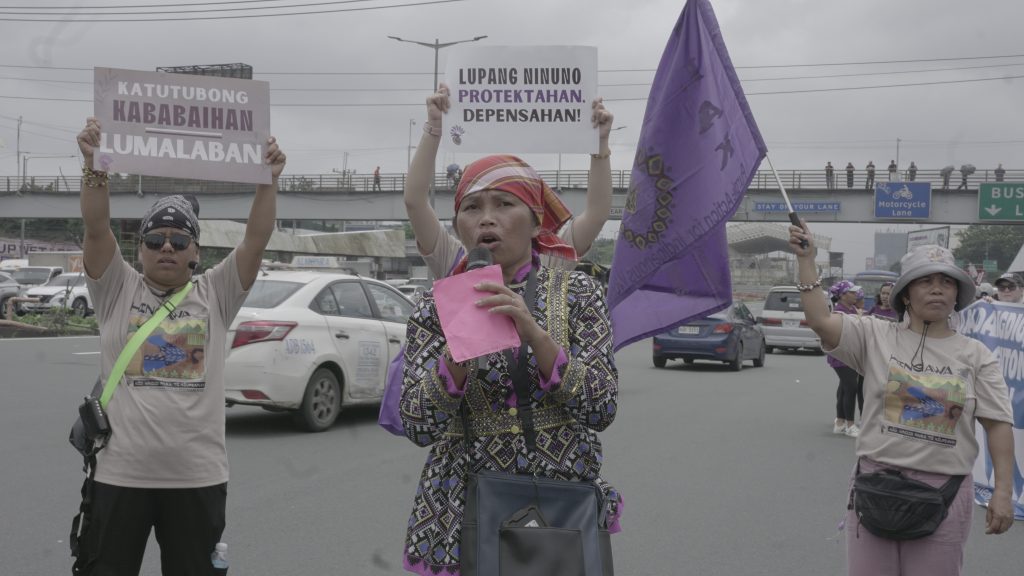
IUCN NL has supported the work of Lilak to strengthen Indigenous women’s leadership in forest and land governance in the Philippines since 2016 – amplifying women’s voices in mining-threatened landscapes, supporting documentation of violence and rights violations and helping establish community-led protection mechanisms. See also: ReSisters Dialogue
Key results from 2023-2024 at a glance:
Important insights have emerged. These lessons highlight what sustains Indigenous women’s resistance, transforms governance and how local struggles ripple into global change.” Several lessons stand out:
Lilak and its partners will continue supporting these women’s leadership, documenting their struggle and amplifying their calls for justice. Because as the women defenders remind us: “Defending our forests is defending our lives – and the lives of future generations.”
In the Forests for a Just Future programme of the Green Livelihoods Alliance, IUCN NL contributes to more sustainable and inclusive governance of tropical forests, in a way that promotes climate mitigation, water provisioning, biodiversity and human rights and that safeguards the livelihoods of Indigenous peoples and local communities (IP&LCs).


12 October, 2026
From 19 to 30 October 2026, the UN Biodiversity Conference (CBD COP17) takes place in Yerevan, Armenia, under the theme…
08 October, 2026
We are pleased to announce that the third BESTLIFE2030 call for proposals is now open, providing new funding for locally…